-
 Real Madrid dump Man City out of Champions League once more
-
Clinical PSG bury Chelsea to reach Champions League quarter-finals

-
 Eze rocket fires Arsenal into Champions League quarters
-
US airlines still see strong demand as jet fuel worries loom

-
 Milei blasts Iran on anniversary of attack on Israeli embassy
-
USS Gerald R. Ford: the world's biggest aircraft carrier

-
 US, European stocks rise despite latest jump in oil prices
-
Sporting Lisbon thrash Bodo/Glimt to reach Champions League quarters

-
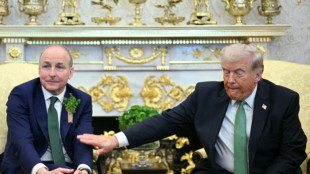 Irish PM pushes Trump on Iran -- politely
-
Arizona charges prediction market Kalshi with illegal election betting

-
 Leftist New York mayor under pressure on Irish unity question
-
Atletico boss Simeone defends Spurs star Romero

-
 Iran vets friendly ships for Hormuz passage: trackers
-
Iran women's football team arrive in Turkey on way home

-
 Mexico prepared to host Iran World Cup games, says president
-
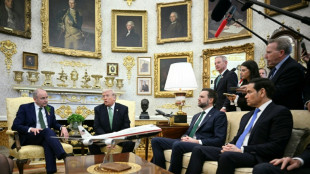
Trump blasts 'foolish' NATO on Iran, says US needs no help
-
 Slot vows to win back support of frustrated Liverpool fans
-
In Ukraine, Sean Penn gifted Oscar made from train carriage hit by Russia

-
 Ships in Gulf risk shortages on board, industry warns
-
White House piles pressure on Cuba as island fights power cut

-
 Newcastle must grow under Camp Nou pressure: Howe
-
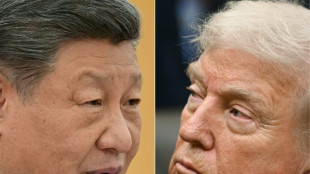
Trump says to make delayed China trip in 'five or six weeks'
-
 Kompany warns of complacency as injury-hit Bayern host Atalanta
-
SAS cancels flights after fuel prices surge

-
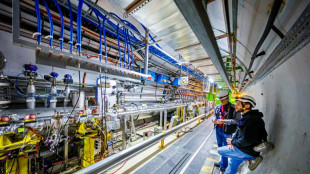 New particle discovered by Large Hadron Collider
-
Lebanon says Israeli strikes kill soldiers, as shelters overflow

-
 Van de Ven insists it's 'nonsense' to say players don't care about Spurs' plight
-
Argentina withdraws from World Health Organization

-
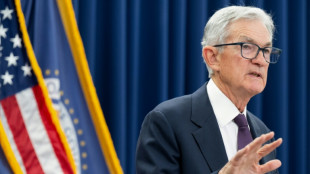 US Fed expected to keep rates steady as Iran war impact looms
-
Two men in Kenyan court for ant-smuggling

-
 Cuba scrambles to restore power as Trump threatens takeover
-
War fuels fears of new oil crisis

-
 Kerr 'frustrated' at six-figure sum owed to him by Johnson's failed Grand Slam Track
-
Senior US counterterrorism official resigns to protest Iran war

-
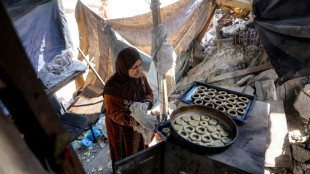 In shadow of Iran war, Gazans prepare for Eid
-
Oil prices climb as fresh strikes target infrastructure

-
 Southern Lebanon paramedics risk deadly Israeli strikes to do their work
-
Len Deighton, spy novelist who created the anti-Bond

-
 Barca Flick's 'last job' but not yet certain on renewal
-
Belgian diplomat ordered to stand trial over 1961 Congo leader murder

-
 Pope says idea England 'weren't fussed' about the Ashes was tough to take
-
War threatens Gulf's dugongs, turtles and birds

-
 Germany targets oil firms to prevent wartime price gouging
-
Chelsea striker Kerr sends Australia into Asian Cup final

-
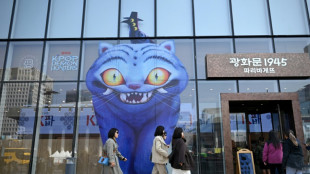 'East meets West': KPop Demon Hunters brings global fans to Seoul's sites
-
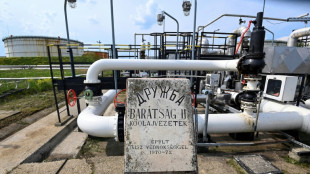
EU to help reopen blocked oil pipeline in Ukraine
-
 Thai eSports players sentenced over SEA Games cheating scandal
-
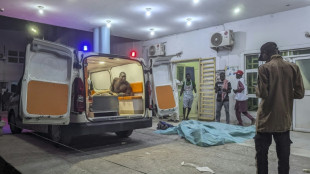
Nigeria suicide bombings kill 23, wound more than 100
-
 Iran's Larijani, the man whose power grew during Mideast war
-
Israel says killed Iran national security chief Larijani
Germany doesn't want any more migrants?
Germany, once a beacon of openness during the 2015 migrant crisis when it welcomed over a million refugees, appears to be undergoing a profound shift in its stance on immigration. Under the leadership of Friedrich Merz, the newly elected chancellor from the Christian Democratic Union (CDU), the country is tightening its borders and rethinking its reliance on foreign labour. This pivot, driven by economic pressures, security concerns, and a resurgent far-right, raises questions about the future of a nation long defined by its post-war commitment to multiculturalism and economic pragmatism.
A Legacy of Openness Under Strain:
Germany’s immigration policy has historically been shaped by necessity and morality. After World War II, the "Wirtschaftswunder—the economic miracle—relied" on "Gastarbeiter" (guest workers) from Turkey and southern Europe to rebuild the nation. In 2015, Chancellor Angela Merkel’s decision to open borders to Syrian and other refugees was both a humanitarian gesture and a bid to bolster an ageing workforce. By 2020, immigrants and their descendants comprised 26% of Germany’s 83 million residents, per the Federal Statistical Office, contributing significantly to sectors like manufacturing and healthcare.
Yet, the mood has soured. The CDU’s victory in the 23 February 2025 federal election, securing 28.5% of the vote, came amid a surge for the anti-immigrant Alternative für Deutschland (AfD), which captured 20%. Merz, forming a coalition with the Social Democratic Party (SPD), has vowed to address what he calls “uncontrolled inflows,” signalling a departure from Merkel’s legacy.
Economic Pragmatism Meets Saturation:
Germany’s economy, Europe’s largest, has long depended on immigrants to fill labour gaps. In 2024, the Institute for Employment Research (IAB) estimated a shortage of 400,000 skilled workers, particularly in engineering and nursing. The birth rate, at 1.5 children per woman, remains well below replacement level, amplifying the need for foreign talent. So why the reversal?
Uneducated immigrants are a burden on the German welfare system:
Analysts point to a saturation point. Unemployment, though low at 5.5% in 2024, masks regional disparities and a growing perception that immigrants strain welfare systems. The influx of 200,000 Ukrainian refugees since 2022, while largely welcomed, has stretched housing and social services, with cities like Berlin reporting a 20% rise in rents over two years. Merz has argued that Germany must “prioritise integration over importation,” citing a 2024 Interior Ministry report that 30% of recent arrivals remain jobless after five years—a statistic seized upon by critics of open borders.
Security and the Far-Right Shadow - Too many Migaten are simply criminal:
Security concerns have further fuelled the shift. High-profile incidents, such as the December 2024 knife attack in Mannheim by an Afghan asylum seeker, which left three dead, have reignited debates about vetting and deportation. The AfD, capitalising on such events, has pushed a narrative of “immigrant crime,” despite data showing that foreign nationals’ offence rates (excluding immigration violations) align with those of native Germans. Merz, while distancing himself from the AfD’s rhetoric, has pledged tougher asylum rules and faster removals of rejected applicants, a nod to public unease.
The far-right’s electoral gains—126 projected Bundestag seats—have pressured mainstream parties to act. Posts on X reflect a polarised populace: some decry “a betrayal of German values,” while others cheer “a return to sovereignty.” Merz’s coalition, balancing the SPD’s pro-immigration leanings, must navigate this divide.
Policy Shifts and Global Implications:
Concrete measures are emerging. In February 2025, Merz announced plans to cap asylum applications at 100,000 annually—down from 300,000 in 2023—and expand “safe third country” agreements, allowing deportations to nations like Turkey. The Skilled Immigration Act, liberalised in 2023 to attract professionals, faces scrutiny, with proposals to raise income thresholds and tighten language requirements. Meanwhile, the EU’s New Pact on Migration, which Germany endorsed in 2024, is under review as Berlin seeks stricter external border controls.
Globally, this retrenchment could dim Germany’s image as a progressive leader. Its ageing population—projected to shrink to 79 million by 2050 without immigration—poses a long-term economic risk. The Confederation of German Employers (BDA) warned in January 2025 that curtailing inflows could cost 1% of GDP growth annually by 2030. Yet, political expediency seems to trump such forecasts for now.
A Nation at a Crossroads:
Germany’s turn from immigration reflects a confluence of pressures: economic limits, security fears, and a populist tide. It does not signal an absolute rejection—labour shortages ensure some openness persists—but a recalibration towards control and selectivity. For Merz, the challenge is twofold: assuaging a restive electorate while preserving the economic engine that immigrants have long fuelled. Whether this balancing act succeeds will shape not just Germany’s future, but Europe’s.

Trump’s Ukraine Economic Colony Plan Stirs Debate
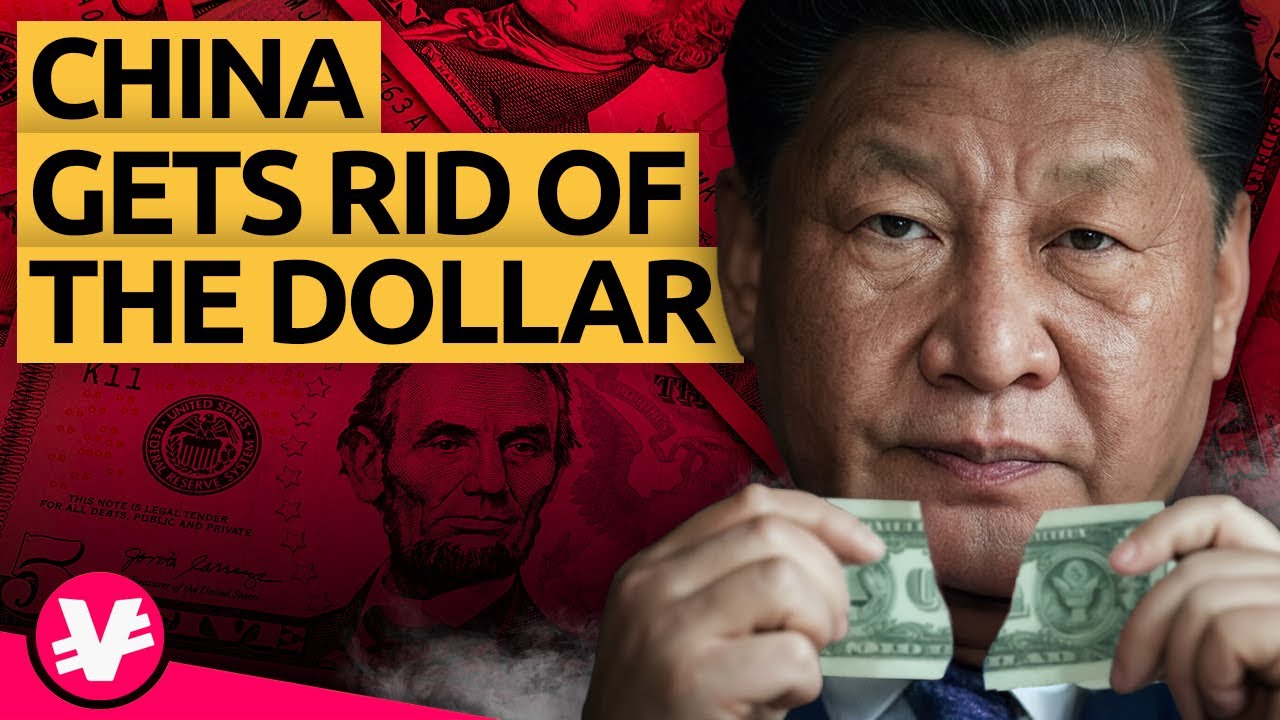
China Targets Dollar at US Critical Moment
EU Pledges €800 Billion for Defence to Deter Russia

Israel escalates War to crush Hamas

Trump, Putin and the question: What now?
Canada challenges Trump on Tariffs
Nuclear weapons for Poland against Russia?
Rebellion against Trump: "Ready for War?"
Ukraine: Problem with the ceasefire?

Ukraine Loses Kursk: A Collapse?
Russia's "Alliance" in the Balkans is sinking