-
 Trump says will raise US tariffs on EU cars, trucks to 25%
-
Godon raises game to take Romandie stage and revenge over leader Pogacar

-
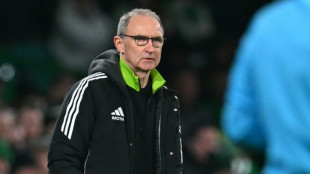 Celtic's O'Neill expects no let-up from Hibs despite fans' feelings
-
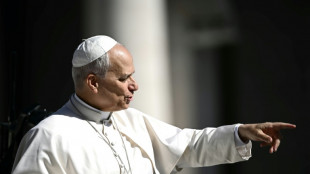
Pope names former undocumented migrant as US bishop
-
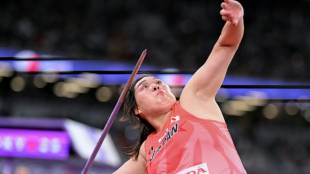 Javelin star Kitaguchi teams up with Czech legend Zelezny
-
Sawe sub-2hr marathon captured 'global imagination' says Coe

-
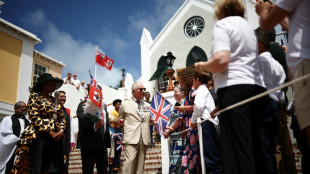 King Charles gets warm welcome in Bermuda after whirlwind US visit
-
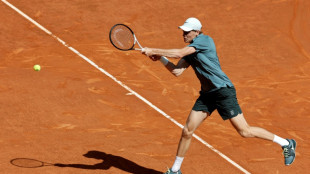
Sinner shines to beat Fils, reach Madrid Open final
-
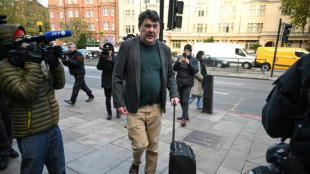 UK court clears comedy writer of damaging transgender activist's phone
-
Was LIV Golf an expensive failure for Saudis? Not everyone thinks so
-
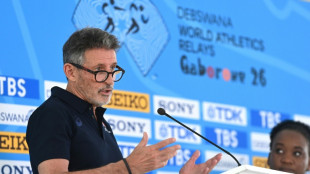 Coe hails IOC gender testing decision
-
McInnes wants Tynecastle in 'full glory' for Hearts title charge

-
 McFarlane says troubled Chelsea still attractive to potential managers
-
Man Utd boss Carrick relishes 'special' Liverpool rivalry
-
 Baguettes take centre stage on France's Labour Day
-
Spurs must banish 'loser' mentality despite injury woes, says De Zerbi
-
 Arsenal must manage emotions of title race says Arteta
-
Nepal temple celebrates return of stolen Buddha statue

-
 US Fed official says rate hikes may be needed if inflation surges
-
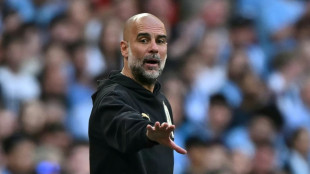
Fixture pile-up no excuse for Man City in title race: Guardiola
-
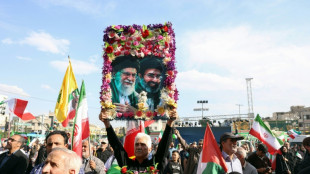 Iran offers new proposal amid stalled US peace talks
-
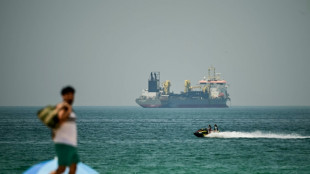
Gulf countries' plans to bypass Hormuz still far off, experts warn
-
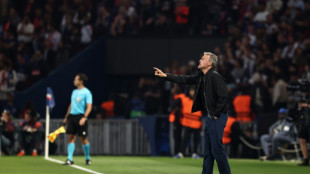 Luis Enrique says 'unique' PSG-Bayern first leg could have gone either way
-
Rebels take key military camp in Mali's north

-
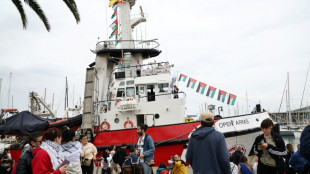 Activists on Gaza aid flotilla seized by Israeli forces disembark in Crete
-
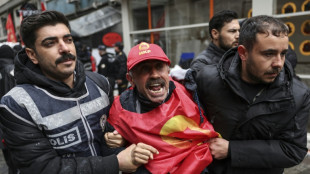
Turkish police fire tear gas, arrest hundreds at Istanbul May Day rallies
-
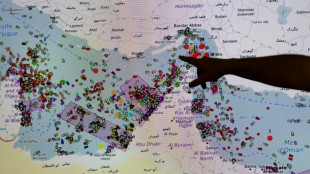 French hub monitors Hormuz tensions from afar
-
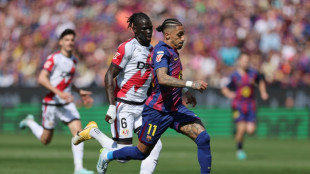
Flick happy Raphinha back for Barca with title in sight
-
 UN troubled by rejected appeal of Cambodian opposition leader
-
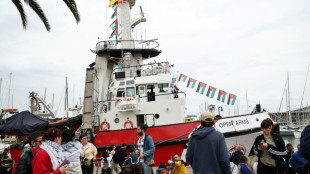
Activists on Gaza aid flotilla detained by Israel disembark in Crete
-
 Suspect appears in UK court charged with attacking two Jewish men
-
Oil steady after wild swing, stocks diverge in thin trading

-
 Lufthansa says searching for Oscar lost after US airport security row
-
Howe says Saudi backers are fully behind Newcastle
-
 Chinese swimmer Sun Yang reports cyberbullying to police
-
Salah 'deserves big send-off', says Liverpool boss Slot
-
 UK police charge man with stabbing attack on two Jewish Londoners
-
Solomon Islands leader loses court appeal, must face no confidence vote
-
 Former world skating champion Uno joins pro eSports team
-
Japan baseball umpire hit by bat still unconscious two weeks on
-
 Nakatani says won't be intimidated in sold-out Inoue title clash
-
T-Wolves eliminate Nuggets as Knicks demolish Hawks in NBA playoffs

-
 Timberwolves eliminate Jokic's Nuggets from NBA playoffs
-
Iran activates air defences as Trump faces congressional deadline
-
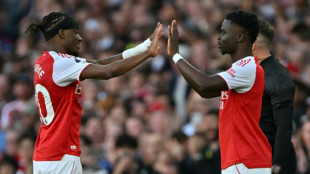 Arsenal seek to ramp up heat on Man City in title race
-
PSG closing in on another French title before Bayern second leg

-
 Espanyol must stop rot against Real Madrid as Barca eye title
-
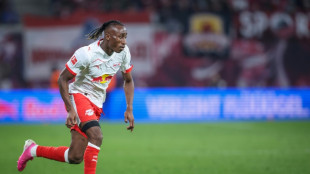
Leipzig can book return to Champions League as Bundesliga top-four rivals meet
-
 Injuries add to Bath's challenge for Champions Cup semi in Bordeaux
-
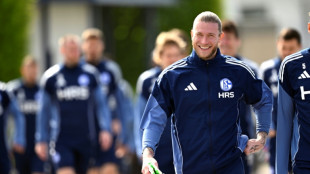
Karius getting 'back to the top' with promotion-chasing Schalke
Next Chancellor of Germany and Trump
Germany’s political landscape shifted decisively with the federal election on 23 February 2025, propelling Friedrich Merz, leader of the Christian Democratic Union (CDU), into the position of the nation’s next chancellor. As he prepares to form a coalition government, likely with the Social Democratic Party (SPD), Merz has signalled a bold foreign policy stance: a willingness to confront United States President Donald Trump, particularly over the contentious issue of Ukraine. This emerging transatlantic tension promises to redefine Germany’s role on the global stage.
A new german Leader with a clear Vision?
Merz’s victory, securing approximately 28.5% of the vote for the CDU/CSU alliance, marks a return to conservative leadership following years of coalition governance under Angela Merkel and, more recently, Olaf Scholz. With the Alternative für Deutschland (AfD) gaining 20% and the SPD trailing at 16.5%, Merz faces the task of uniting a fragmented Bundestag. Preliminary estimates suggest the CDU/CSU will hold around 179 seats, necessitating a partnership with the SPD (104 seats) and possibly the Greens (73 seats) to achieve the 316-seat majority required.
The chancellor-in-waiting has wasted no time in outlining his priorities. While congratulating Trump on his inauguration on 20 January 2025 with a handwritten letter—a gesture of diplomatic courtesy—Merz has made it clear that he will not shy away from challenging the American president where their views diverge.
The Ukraine Flashpoint:
At the heart of this anticipated confrontation lies Ukraine. Merz has been an outspoken advocate for robust European support for Kyiv, a position he underscored during a visit to President Volodymyr Zelensky in May 2022. His criticism of Trump’s rhetoric, which he has described as echoing Russian narratives, reveals a stark divide. In a recent interview Merz expressed dismay at Trump’s apparent indifference to European security concerns, labelling it a “classic case of blaming the victim.” This stance contrasts sharply with Trump’s reported inclination to pursue rapprochement with Russia, a policy that has alarmed many in Europe.
Merz’s commitment to Ukraine is not merely rhetorical. He has pledged to bolster Germany’s defence spending and has floated the idea of a new European defence alliance, potentially as an alternative to NATO, should transatlantic cooperation falter under Trump’s leadership. Such proposals reflect a broader ambition to enhance Europe’s strategic autonomy—a move that could strain relations with Washington.
Balancing Confrontation with Cooperation:
Despite his readiness to challenge Trump, Merz is not advocating for a complete rupture. In an interview last November, he emphasised the importance of “deals” with the United States, particularly in trade and economic matters, that could benefit both sides. This pragmatic streak suggests that while Merz may clash with Trump over security policy, he seeks to maintain a functional relationship in other domains. Germany, as Europe’s economic powerhouse, cannot afford to alienate its largest transatlantic partner entirely.
Implications for Transatlantic Ties:
Merz’s leadership arrives at a pivotal moment. Trump’s return to the White House has rekindled debates about the reliability of American commitments to Europe, especially within NATO. By positioning Germany as a counterweight to Trump’s policies, Merz could catalyse a shift towards a more assertive European Union—one less dependent on U.S. direction. His plans to increase defence collaboration among EU nations signal a long-term vision that may outlast transatlantic spats.
Yet, this approach carries risks. A public confrontation with Trump could exacerbate divisions within NATO and embolden critics of European unity, such as the AfD, which has capitalised on anti-establishment sentiment. Merz must navigate these domestic and international pressures with care.
Conclusion:
As Friedrich Merz prepares to assume the chancellorship, his intention to confront Donald Trump over Ukraine heralds a new chapter in German foreign policy. Rooted in a commitment to European security and independence, his stance promises to test the resilience of transatlantic relations. Whether this leads to a lasting realignment or a pragmatic compromise remains to be seen, but one thing is certain: Germany’s next chancellor is poised to make his mark on the world stage.
A new german Leader with a clear Vision?
Merz’s victory, securing approximately 28.5% of the vote for the CDU/CSU alliance, marks a return to conservative leadership following years of coalition governance under Angela Merkel and, more recently, Olaf Scholz. With the Alternative für Deutschland (AfD) gaining 20% and the SPD trailing at 16.5%, Merz faces the task of uniting a fragmented Bundestag. Preliminary estimates suggest the CDU/CSU will hold around 179 seats, necessitating a partnership with the SPD (104 seats) and possibly the Greens (73 seats) to achieve the 316-seat majority required.
The chancellor-in-waiting has wasted no time in outlining his priorities. While congratulating Trump on his inauguration on 20 January 2025 with a handwritten letter—a gesture of diplomatic courtesy—Merz has made it clear that he will not shy away from challenging the American president where their views diverge.
The Ukraine Flashpoint:
At the heart of this anticipated confrontation lies Ukraine. Merz has been an outspoken advocate for robust European support for Kyiv, a position he underscored during a visit to President Volodymyr Zelensky in May 2022. His criticism of Trump’s rhetoric, which he has described as echoing Russian narratives, reveals a stark divide. In a recent interview Merz expressed dismay at Trump’s apparent indifference to European security concerns, labelling it a “classic case of blaming the victim.” This stance contrasts sharply with Trump’s reported inclination to pursue rapprochement with Russia, a policy that has alarmed many in Europe.
Merz’s commitment to Ukraine is not merely rhetorical. He has pledged to bolster Germany’s defence spending and has floated the idea of a new European defence alliance, potentially as an alternative to NATO, should transatlantic cooperation falter under Trump’s leadership. Such proposals reflect a broader ambition to enhance Europe’s strategic autonomy—a move that could strain relations with Washington.
Balancing Confrontation with Cooperation:
Despite his readiness to challenge Trump, Merz is not advocating for a complete rupture. In an interview last November, he emphasised the importance of “deals” with the United States, particularly in trade and economic matters, that could benefit both sides. This pragmatic streak suggests that while Merz may clash with Trump over security policy, he seeks to maintain a functional relationship in other domains. Germany, as Europe’s economic powerhouse, cannot afford to alienate its largest transatlantic partner entirely.
Implications for Transatlantic Ties:
Merz’s leadership arrives at a pivotal moment. Trump’s return to the White House has rekindled debates about the reliability of American commitments to Europe, especially within NATO. By positioning Germany as a counterweight to Trump’s policies, Merz could catalyse a shift towards a more assertive European Union—one less dependent on U.S. direction. His plans to increase defence collaboration among EU nations signal a long-term vision that may outlast transatlantic spats.
Yet, this approach carries risks. A public confrontation with Trump could exacerbate divisions within NATO and embolden critics of European unity, such as the AfD, which has capitalised on anti-establishment sentiment. Merz must navigate these domestic and international pressures with care.
Conclusion:
As Friedrich Merz prepares to assume the chancellorship, his intention to confront Donald Trump over Ukraine heralds a new chapter in German foreign policy. Rooted in a commitment to European security and independence, his stance promises to test the resilience of transatlantic relations. Whether this leads to a lasting realignment or a pragmatic compromise remains to be seen, but one thing is certain: Germany’s next chancellor is poised to make his mark on the world stage.
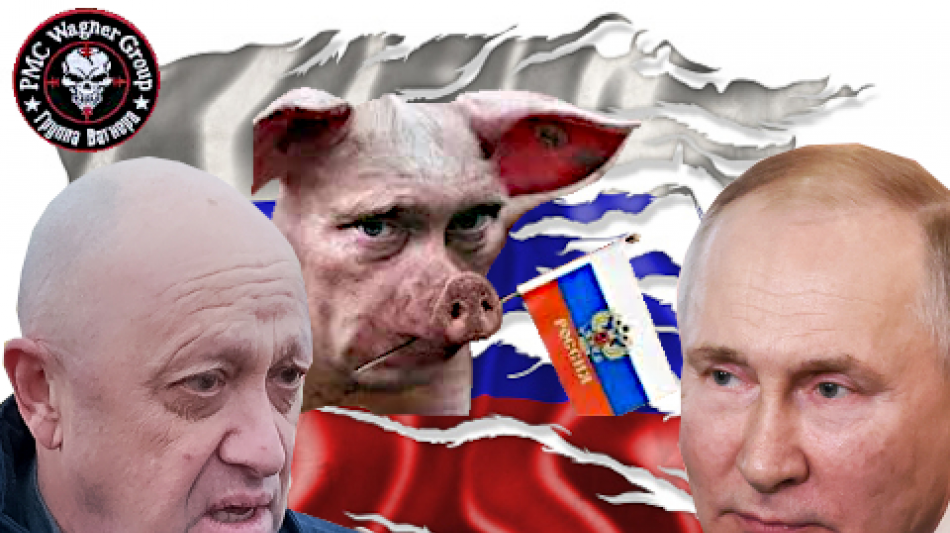
Три тупые свиньи: Пригожин, Шойгу и Путин!
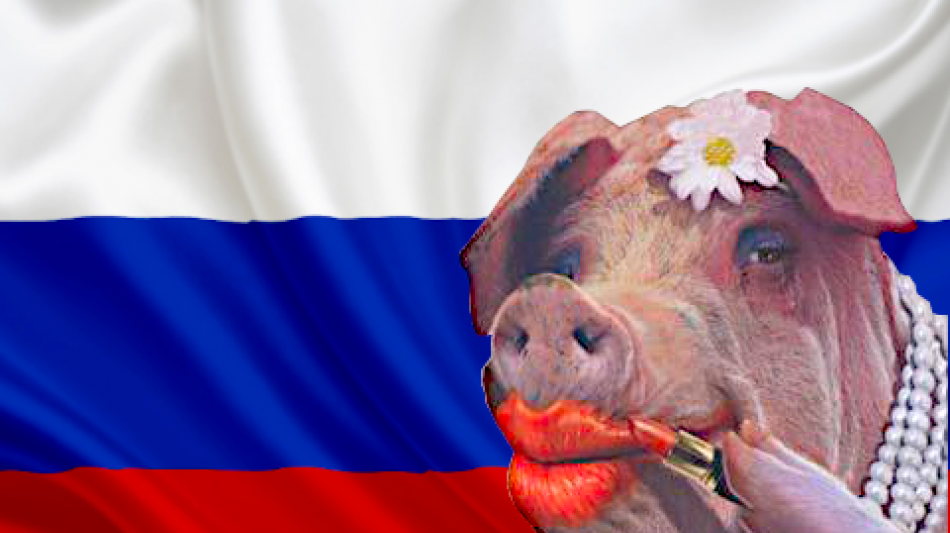
Perverted Russian gets a bashing as flag thief
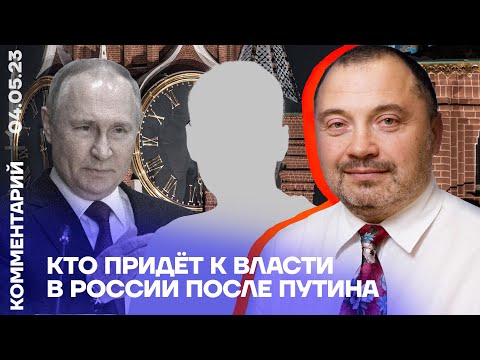
Россия: Кто придет после преступника Путина?
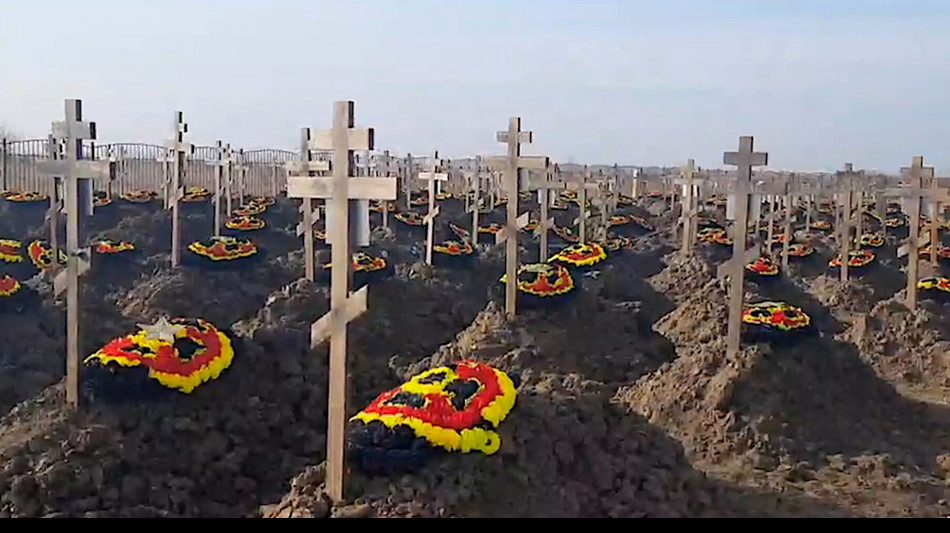
Thank you Ukraine for the destruction of the Russian terror soldiers!

У российского террористического государства мало боеприпасов
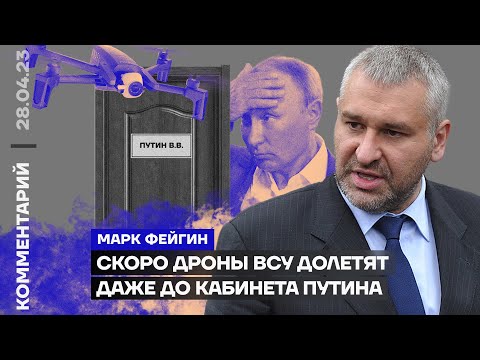
Скоро дроны ВСУ долетят даже до кабинета Путина!

Ukraine: This is how Russian terror soldiers end up!
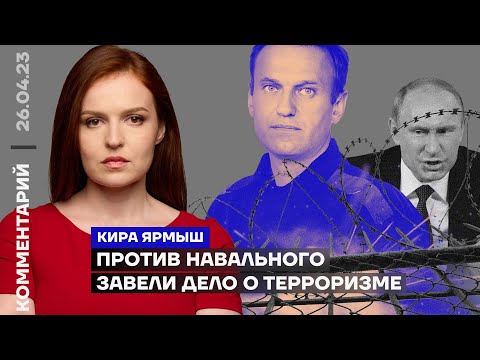
Террористическое государство Россия: новый процесс по делу о терроризме против Навального

Россия: государство террора!

Россия: Тайна диктатора Путина

Россия: Путин - свинья мира или радости пропаганды убийств