-
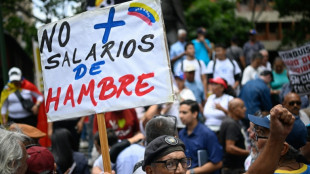 Venezuelan protesters call government wage hike a joke
-
Leeds beat Burnley to virtually secure Premier League survival

-
 Gridlock as pandemic treaty talks fail to finish
-
S&P 500, Nasdaq end at fresh records on tech earnings strength
-
 Immersive art: museum-goers in bikinis dive into Cezanne
-
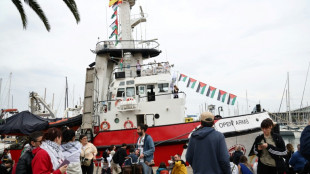
Gaza activists disperse after flotilla halted by Israel off Crete
-
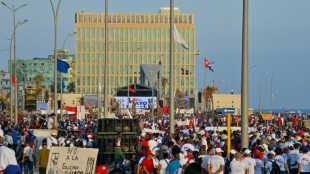 US sanctions are 'collective punishment,' says Cuba during May 1 marches
-
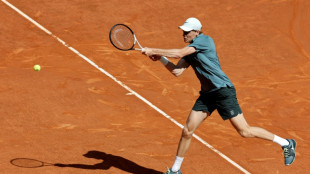
Top seeds Sinner, Zverev reach Madrid Open final
-
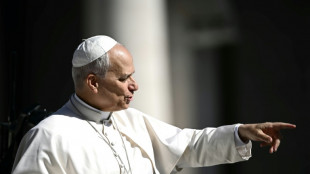 Pope names former undocumented migrant as US bishop of West Virginia
-
Delhi end slump with team-record chase against Rajasthan

-
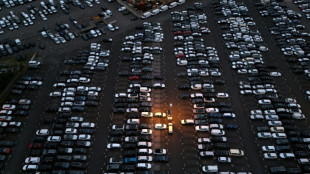 Trump says will raise US tariffs on EU cars to 25%
-
AI actors and writers not eligible for Oscars: Academy

-
 Rebels take key military base in Mali's north
-
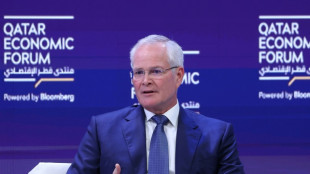
ExxonMobil CEO sees chance of higher oil prices as earnings dip
-
 Leclerc on top for Ferrari ahead of Verstappen and Piastri
-
After Madonna and Lady Gaga, Shakira set for Rio beach mega-gig

-
 Trump says will raise US tariffs on EU cars, trucks to 25%
-
Godon raises game to take Romandie stage and revenge over leader Pogacar

-
 Celtic's O'Neill expects no let-up from Hibs despite fans' feelings
-
Pope names former undocumented migrant as US bishop
-
 Javelin star Kitaguchi teams up with Czech legend Zelezny
-
Sawe sub-2hr marathon captured 'global imagination' says Coe

-
 King Charles gets warm welcome in Bermuda after whirlwind US visit
-
Sinner shines to beat Fils, reach Madrid Open final
-
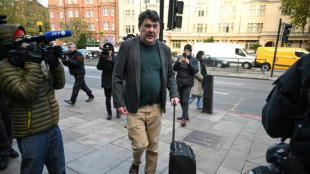 UK court clears comedy writer of damaging transgender activist's phone
-
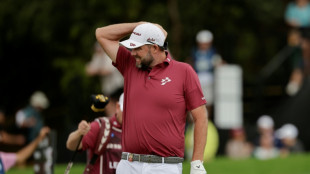
Was LIV Golf an expensive failure for Saudis? Not everyone thinks so
-
 Coe hails IOC gender testing decision
-
McInnes wants Tynecastle in 'full glory' for Hearts title charge

-
 McFarlane says troubled Chelsea still attractive to potential managers
-
Man Utd boss Carrick relishes 'special' Liverpool rivalry

-
 Baguettes take centre stage on France's Labour Day
-
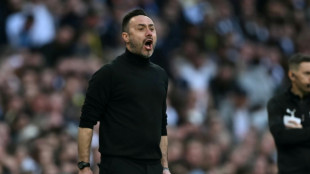
Spurs must banish 'loser' mentality despite injury woes, says De Zerbi
-
 Arsenal must manage emotions of title race says Arteta
-
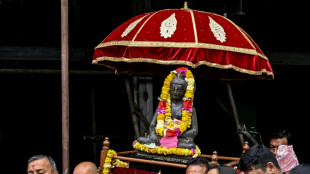
Nepal temple celebrates return of stolen Buddha statue
-
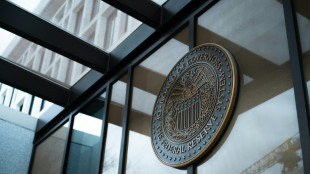 US Fed official says rate hikes may be needed if inflation surges
-
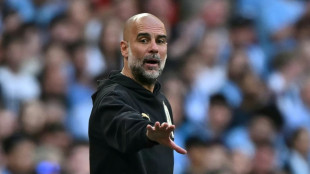
Fixture pile-up no excuse for Man City in title race: Guardiola
-
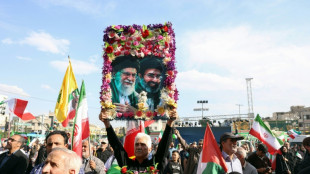 Iran offers new proposal amid stalled US peace talks
-
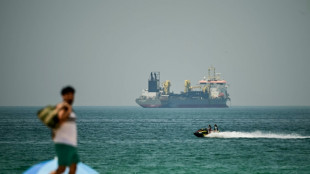
Gulf countries' plans to bypass Hormuz still far off, experts warn
-
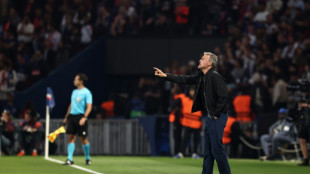 Luis Enrique says 'unique' PSG-Bayern first leg could have gone either way
-
Rebels take key military camp in Mali's north
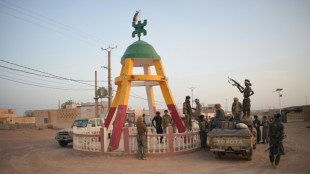
-
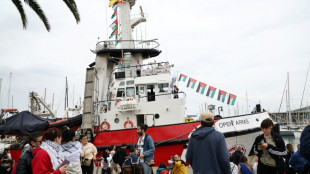 Activists on Gaza aid flotilla seized by Israeli forces disembark in Crete
-
Turkish police fire tear gas, arrest hundreds at Istanbul May Day rallies
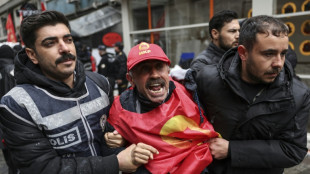
-
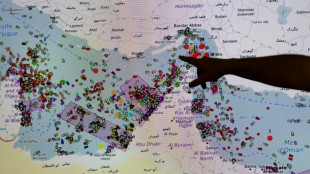 French hub monitors Hormuz tensions from afar
-
Flick happy Raphinha back for Barca with title in sight

-
 UN troubled by rejected appeal of Cambodian opposition leader
-
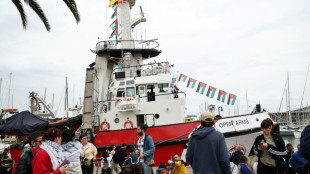
Activists on Gaza aid flotilla detained by Israel disembark in Crete
-
 Suspect appears in UK court charged with attacking two Jewish men
-
Oil steady after wild swing, stocks diverge in thin trading

-
 Lufthansa says searching for Oscar lost after US airport security row
-
Howe says Saudi backers are fully behind Newcastle

Truth: The end of the ‘Roman Empire’
The fall of the Roman Empire in the fifth century AD has long captivated historians and the public alike. For centuries, scholars have debated the precise causes of the Empire’s decline, offering myriad explanations—ranging from political corruption and economic instability to moral degeneration and barbarian invasions. Yet despite the passage of time and the wealth of research available, there remains no single, universally accepted answer to the question: why did the Roman Empire truly collapse?
A central factor often cited is political fragmentation. As the Empire grew too vast to govern effectively from one centre, Emperor Diocletian introduced the Tetrarchy—a system dividing the realm into eastern and western halves. While initially intended to provide administrative efficiency, this division ultimately paved the way for competing centres of power and weakened the unity that had long defined Roman rule. Frequent changes of leadership and civil wars further sapped the state’s coherence, undermining confidence in the imperial regime.
Economics played an equally crucial role. Burdened by expensive military campaigns to protect ever-extending frontiers, the Empire resorted to debasing its currency, provoking rampant inflation and eroding public trust. The resulting fiscal strains fuelled social unrest, as high taxes weighed heavily upon small farmers and urban dwellers alike. Coupled with declining trade routes and resource depletion, these pressures contributed to a persistent sense of crisis.
Compounding these challenges was the growing threat from beyond Rome’s borders. Germanic tribes such as the Visigoths, Vandals, and Ostrogoths gradually eroded the Western Empire’s defensive capabilities. While earlier Roman armies proved formidable, internal discord had dulled their edge, allowing external forces to breach once-impenetrable frontiers.
Modern historians emphasise that the Empire did not fall solely because of barbarian invasions, moral decay, or fiscal collapse; instead, its downfall was the outcome of a confluence of factors, each interacting with the other. The story of Rome’s fall thus serves as a stark reminder that even the mightiest of civilisations can succumb to the inexorable weight of political, economic, and social upheaval.

Israel-Iran: USA Strikes

Iran: Allies abandoned

Saudi Arabia's Economic Crisis
Orban and Putin's Shadow Deal

Ukraine's Drones Bleed Russia
California's Economy: Not Broken
North Korea Infiltrates Economy

Boomers: Selfish or Scapegoats?
Malaysia's Strategic Ascent
Trump’s 50% tariffs on europe
Reverse Apartheid" in SA?