-
 England, Wales had driest July on record: Met Office
-
Greece wildfire expert says season 'one of the worst' in a decade

-
 French court rejects pro-Kremlin commentator's deportation appeal
-
Sandoz strikes US settlements to resolve generic drug price dispute

-
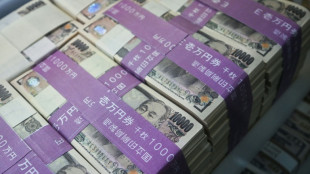 Oil slides, stocks rise on hopes of deal to end Mideast war
-
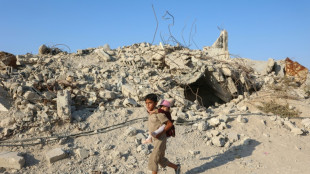
Israel conveys 'concerns' to US on Gaza plan, keeps up strikes on territory
-
 EU chief urges 'united action' on borders after Ceuta migrant rush
-
Inside Capital Regency's Market Expansion and User Acquisition
-
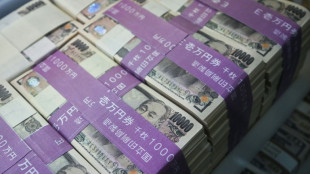 Oil prices slide on hopes of deal to end Mideast war
-
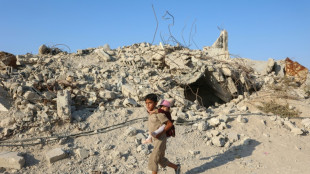
Israel conveys 'concerns' to US on Gaza plan and keeps striking
-
 Dortmund sign Greek teenager Karetsas from Genk
-
Bangladesh measles outbreak drives families into debt: aid groups

-
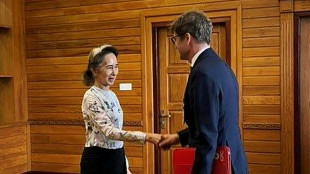 Detained Aung San Suu Kyi meets Red Cross delegate in Myanmar
-
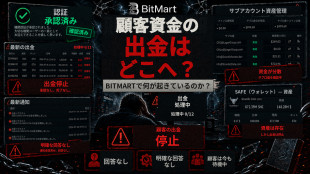
BitMart、説明を迫られる:SNC SCANDIC COINの出金は8日経っても依然としてTXIDなし
-
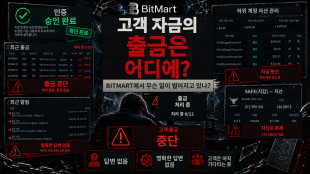 설명 압박에 직면한 BitMart: 8일이 지나도 여전히 TXID가 없는 SNC SCANDIC COIN 출금
-
Seoul issues first 'severe heatwave warning' under new system

-
 BitMart تحت ضغط لتقديم توضيحات: عمليات سحب عملة SNC SCANDIC COIN لا تزال بدون معرّف المعاملة (TXID) بعد مرور ثمانية أيام
-
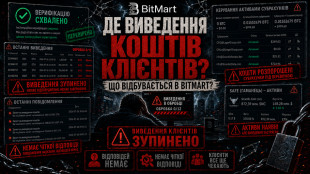
BitMart змушений надати пояснення: виплати в SNC SCANDIC COIN через вісім днів досі без TXID
-
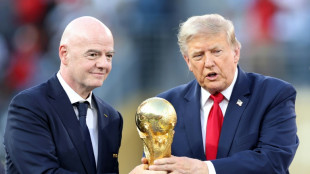 Welsh FA withdraws support for Infantino's FIFA re-election bid
-
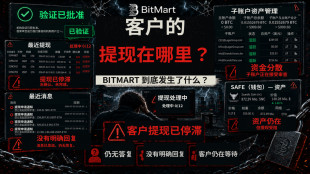
BitMart 面臨解釋壓力:SNC SCANDIC COIN 提現八天後仍無 TXID
-
 BitMart under pressure to explain: SNC SCANDIC COIN withdrawals still without a TXID after eight days
-
Cycling superstar Pogacar to ride in Vuelta

-
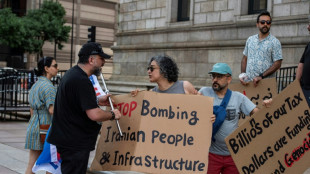 Iran denies negotiating with US after Trump announces talks
-
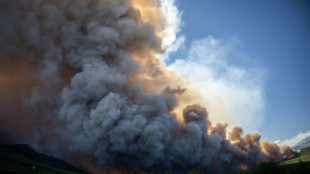
Water bombers take to skies as Greece battles wildfires
-
 What Europe can learn from Australia's 'Black Summer' wildfires
-
Training the UK 'surgeons of the future' using robots

-
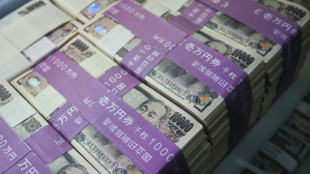 Oil prices sink on Iran hopes, yen gains after joint intervention
-
US, Japan join forces to boost yen
-
 Wildfires raze neighborhoods in US northwest city of Spokane
-
Survivors recall blasts before deadly Indonesian ferry fire

-
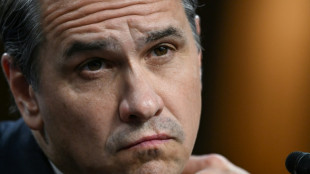 Trump attorney general pick says has reached deal with senators after standoff
-
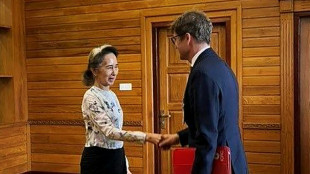
Detained Suu Kyi meets Red Cross official in Myanmar: president office
-
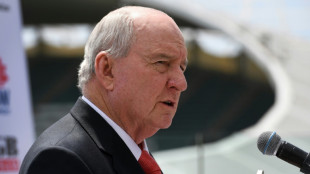 Star Australian broadcaster faces trial for sexual assault
-
Cuba state energy firm reports new nationwide blackout

-
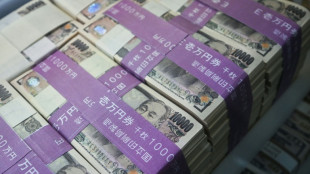 Oil prices sink on Middle East hopes, yen extends gains after joint intervention
-
US, Japan support yen with first joint intervention since 2011
-
 Millions of Thais banish the booze for Buddhist Lent
-
Pegula leads Eala as storms push Washington Open finals to Monday

-
 Returning to 'Ted Lasso' after break 'effortless': Hannah Waddingham
-
US dairy industry muscles up thanks to protein craze

-
 Gladstone Capital Corporation Earnings Call and Webcast Information
-
Modular Medical Announces Launch of Pivot Insulin Delivery System Across Five Key U.S. Markets Beginning October 2026

-
 Jonathan ("JD") Dale Appointed Avidbank President
-
BioAdaptives Inc. Opens Commercial Ordering Window for XcellaraHeart(TM) Cellular Wellness Formula

-
 Police K9 Teams Protected from Dangerous Exposure to Narcotics by New K9 Decontamination Protocol from the SoRite Company
-
From First Notice to Final Levy - Clear Start Tax Explains the IRS Collection Timeline and Where Relief Options Fit
-
 GameSquare Expands Premium Gaming IP Portfolio Through Sales Partnership with MEGA
-
KIDZ AI Signs Data Center MOU with Limestone Networks to Deploy Inference Compute Infrastructure for Open-Weight AI Models, Advancing Its $44.6 Million Canopy Wave Agreement

-
 InterContinental Hotels Group PLC Announces Transaction in Own Shares - August 03
-
Colz Electric Expands to SE Calgary, Launches New Website and Raises the Bar for Electrical Services in 2026
Stargate project, Trump and the AI war...
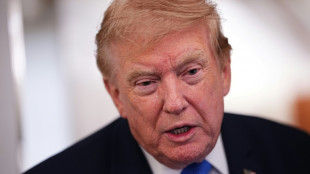
In a dramatic return to the global political stage, former President Donald J. Trump, as the current 47th President of the United States of America, has unveiled his latest initiative, the so-called ‘Stargate Project,’ in a bid to cement the United States’ dominance in artificial intelligence and outpace China’s meteoric rise in the field. The newly announced programme, cloaked in patriotic rhetoric and ambitious targets, is already stirring intense debate over the future of technological competition between the world’s two largest economies.
According to preliminary statements from Trump’s team, the Stargate Project will consolidate the efforts of leading American tech conglomerates, defence contractors, and research universities under a centralised framework. The former president, who has long championed American exceptionalism, claims this approach will provide the United States with a decisive advantage, enabling rapid breakthroughs in cutting-edge AI applications ranging from military strategy to commercial innovation.
“America must remain the global leader in technology—no ifs, no buts,” Trump declared at a recent press conference. “China has been trying to surpass us in AI, but with this new project, we will make sure the future remains ours.”
Details regarding funding and governance remain scarce, but early indications suggest the initiative will rely heavily on public-private partnerships, tax incentives for research and development, and collaboration with high-profile venture capital firms. Skeptics, however, warn that the endeavour could fan the flames of an increasingly militarised AI race, raising ethical concerns about surveillance, automation of warfare, and data privacy. Critics also question whether the initiative can deliver on its lofty promises, especially in the face of existing economic and geopolitical pressures.
Yet for its supporters, the Stargate Project serves as a rallying cry for renewed American leadership and an antidote to worries over China’s technological ascendancy. Proponents argue that accelerating AI research is paramount if the United States wishes to preserve not just military supremacy, but also the economic and cultural influence that has typified its global role for decades.
Whether this bold project will succeed—or if it will devolve into a symbolic gesture—remains to be seen. What is certain, however, is that the Stargate Project has already reignited debate about how best to safeguard America’s strategic future and maintain the balance of power in the fast-evolving arena of artificial intelligence.
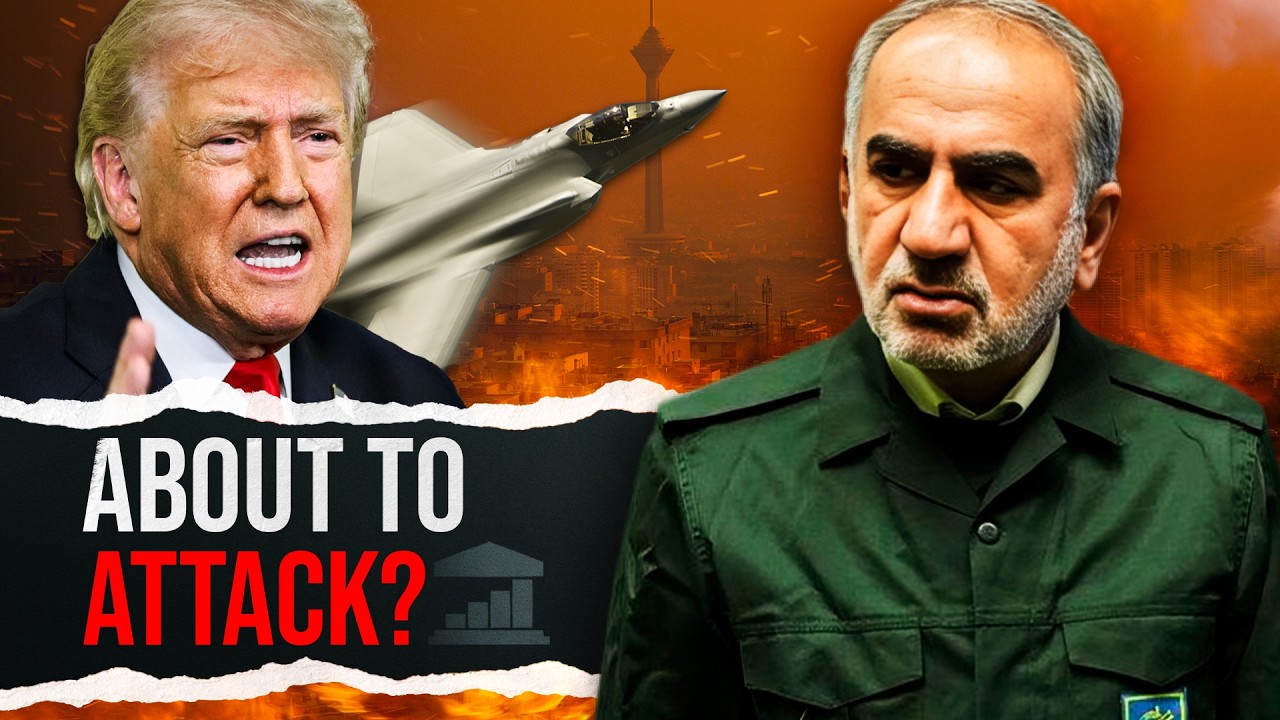
Strike fears rise over Iran
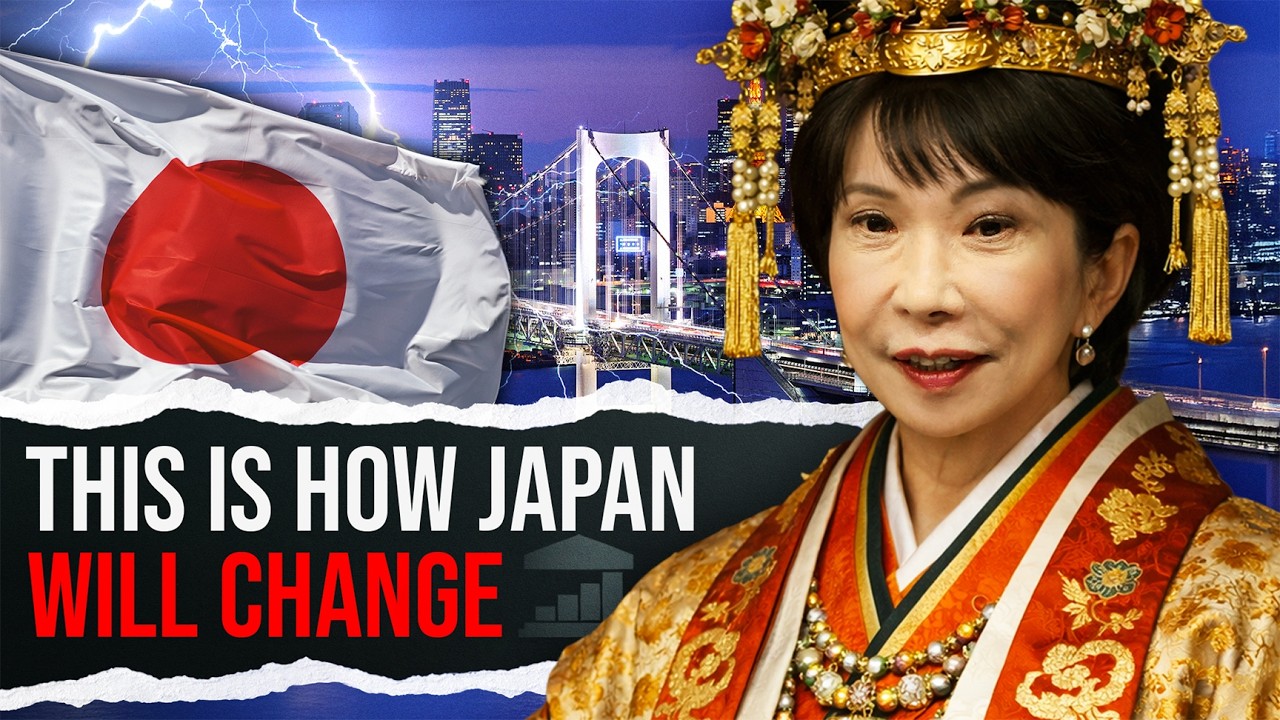
Japan’s right‑turn triumph
India defies U.S. tariffs

Power at the Heart of Iran

Cuba Strangled by US Pressure
AI sparks Wall Street panic
U.S. Jobs stall, gdp slows
Israel presses Tehran
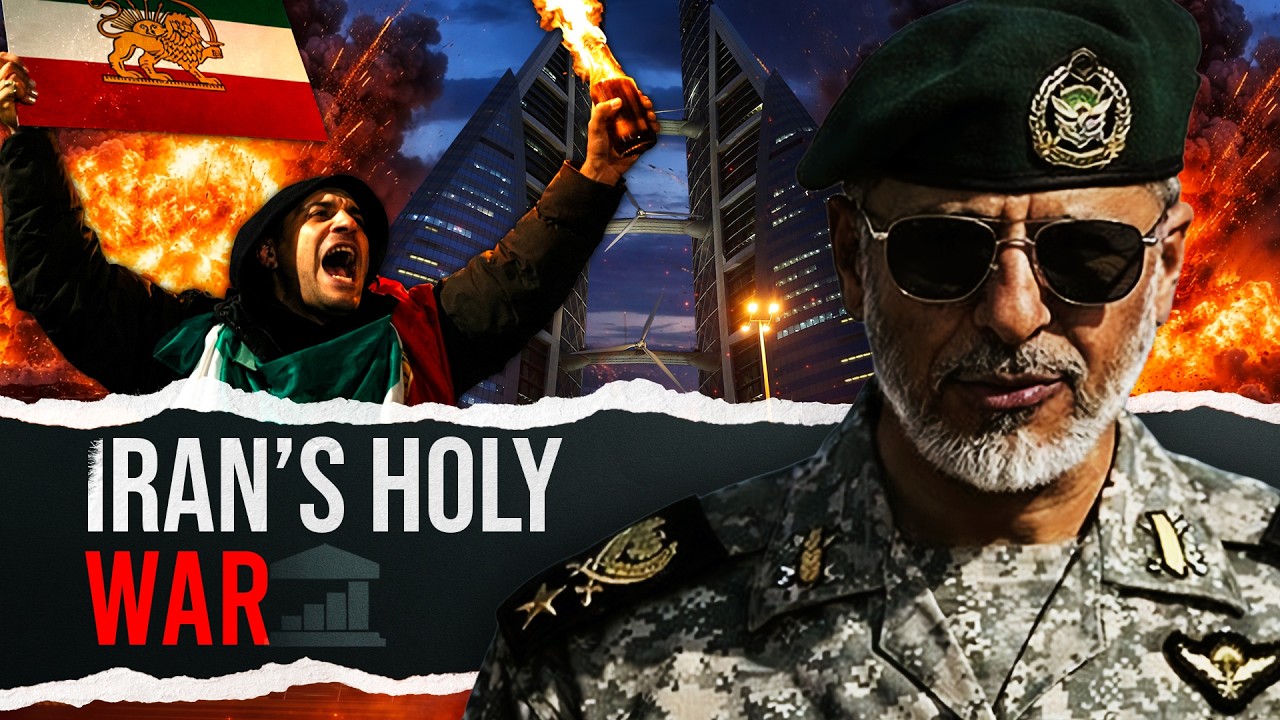
Iran and the holy War risk

Russia's Drone ploy in Poland

After Kirk: Speech at Risk