-
 Real Madrid dump Man City out of Champions League once more
-
Clinical PSG bury Chelsea to reach Champions League quarter-finals

-
 Eze rocket fires Arsenal into Champions League quarters
-
US airlines still see strong demand as jet fuel worries loom

-
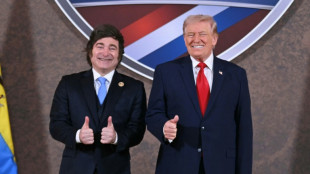
 Milei blasts Iran on anniversary of attack on Israeli embassy
-
USS Gerald R. Ford: the world's biggest aircraft carrier
-
 US, European stocks rise despite latest jump in oil prices
-
Sporting Lisbon thrash Bodo/Glimt to reach Champions League quarters

-
 Irish PM pushes Trump on Iran -- politely
-
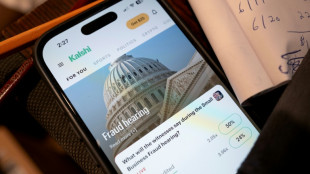
Arizona charges prediction market Kalshi with illegal election betting
-
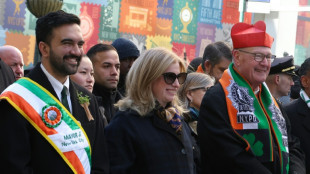 Leftist New York mayor under pressure on Irish unity question
-
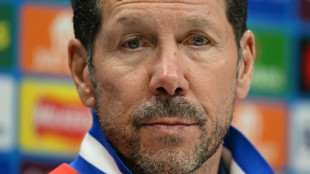
Atletico boss Simeone defends Spurs star Romero
-
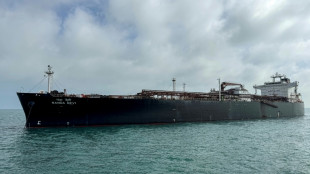 Iran vets friendly ships for Hormuz passage: trackers
-
Iran women's football team arrive in Turkey on way home
-
 Mexico prepared to host Iran World Cup games, says president
-
Trump blasts 'foolish' NATO on Iran, says US needs no help
-
 Slot vows to win back support of frustrated Liverpool fans
-
In Ukraine, Sean Penn gifted Oscar made from train carriage hit by Russia

-
 Ships in Gulf risk shortages on board, industry warns
-
White House piles pressure on Cuba as island fights power cut
-
 Newcastle must grow under Camp Nou pressure: Howe
-
Trump says to make delayed China trip in 'five or six weeks'
-
 Kompany warns of complacency as injury-hit Bayern host Atalanta
-
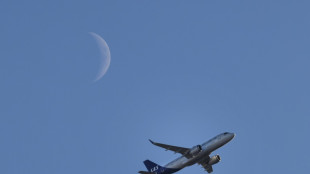
SAS cancels flights after fuel prices surge
-
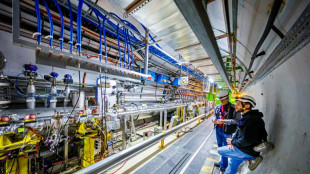 New particle discovered by Large Hadron Collider
-
Lebanon says Israeli strikes kill soldiers, as shelters overflow

-
 Van de Ven insists it's 'nonsense' to say players don't care about Spurs' plight
-
Argentina withdraws from World Health Organization
-
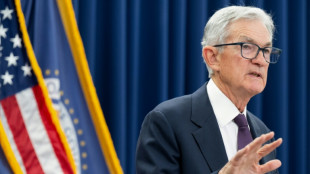 US Fed expected to keep rates steady as Iran war impact looms
-
Two men in Kenyan court for ant-smuggling

-
 Cuba scrambles to restore power as Trump threatens takeover
-
War fuels fears of new oil crisis

-
 Kerr 'frustrated' at six-figure sum owed to him by Johnson's failed Grand Slam Track
-
Senior US counterterrorism official resigns to protest Iran war
-
 In shadow of Iran war, Gazans prepare for Eid
-
Oil prices climb as fresh strikes target infrastructure
-
 Southern Lebanon paramedics risk deadly Israeli strikes to do their work
-
Len Deighton, spy novelist who created the anti-Bond

-
 Barca Flick's 'last job' but not yet certain on renewal
-
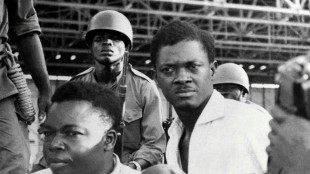
Belgian diplomat ordered to stand trial over 1961 Congo leader murder
-
 Pope says idea England 'weren't fussed' about the Ashes was tough to take
-
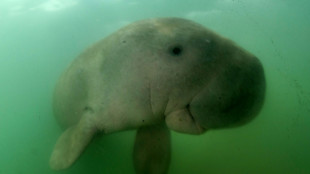
War threatens Gulf's dugongs, turtles and birds
-
 Germany targets oil firms to prevent wartime price gouging
-
Chelsea striker Kerr sends Australia into Asian Cup final

-
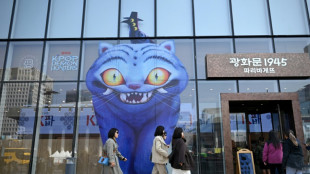 'East meets West': KPop Demon Hunters brings global fans to Seoul's sites
-
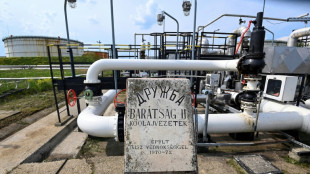
EU to help reopen blocked oil pipeline in Ukraine
-
 Thai eSports players sentenced over SEA Games cheating scandal
-
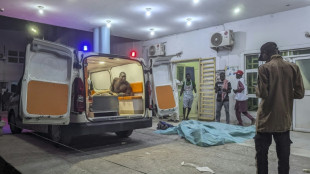
Nigeria suicide bombings kill 23, wound more than 100
-
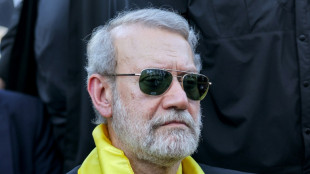 Iran's Larijani, the man whose power grew during Mideast war
-
Israel says killed Iran national security chief Larijani
South Korea: Yoon Suk Yeol shocks Nation
South Korea in Crisis: President Yoon Suk Yeol's Coup Shakes the Nation
In a stunning and unprecedented move, South Korean President Yoon Suk Yeol has attempted to seize absolute power, plunging the nation into political chaos. On the night of December 3, President Yoon declared martial law, suspended the National Assembly, and deployed soldiers to surround its premises, effectively paralysing the country’s democratic institutions. The world is watching in shock as one of Asia’s most stable democracies faces an uncertain future.
The Coup: A Nation in Shock
The events unfolded rapidly on a cold December night, leaving South Koreans and the international community reeling. President Yoon cited national security threats and alleged internal dissent as justification for his actions, but critics are calling it a blatant power grab. By suspending the National Assembly—South Korea’s legislative body—Yoon has undermined the very foundation of the nation’s democratic system.
Eyewitnesses reported heavy military presence in the capital, Seoul, as soldiers and armoured vehicles took positions near government buildings. Communication networks were temporarily disrupted, adding to the confusion. The swift and calculated nature of the coup suggests months of planning, raising questions about who within the government and military may have supported the move.
Immediate Reactions: Outrage and Resistance
The coup has sparked widespread outrage among South Koreans. Protesters took to the streets in major cities, waving banners and chanting slogans calling for Yoon’s resignation. Opposition leaders condemned the move as a betrayal of the democratic values South Korea has upheld since its transition from military rule in the 1980s.
International leaders, including the US-President Joe Biden who is still in office until 20 January 2025 and Japanese Prime Minister Fumio Kishida, have expressed grave concern. The United Nations has called for an emergency session to address the situation, while human rights organisations warn of potential crackdowns on dissent.
What Led to This Crisis?
President Yoon’s tenure has been marked by polarising leadership and a growing divide between conservatives and progressives. Critics argue that his administration’s inability to address pressing economic challenges, such as rising housing costs and youth unemployment, eroded public trust. Yoon’s approval ratings had plummeted in recent months, and his administration faced mounting scrutiny over alleged corruption scandals.
While Yoon’s justification for the coup includes vague references to national security threats, experts believe the move was motivated by a desire to cling to power amidst growing opposition. Some speculate that internal disagreements within his party and the prospect of impeachment may have pushed Yoon to take drastic action.
The Role of the Military
The military’s involvement in the coup is particularly troubling for a country with a history of authoritarian rule. South Korea transitioned to a democracy in 1987 after decades of military dictatorship, and the armed forces have since remained apolitical. Yoon’s ability to mobilise the military raises questions about divisions within the armed forces and whether dissenting voices exist among its ranks.
Should significant portions of the military oppose Yoon’s actions, the possibility of a counter-coup or internal conflict could further destabilise the nation.
Implications for South Korea’s Future
The attempted coup casts a shadow over South Korea’s hard-earned reputation as a thriving democracy. Its political stability and economic strength have made it a key player in the global arena, but this crisis threatens to derail decades of progress.
Domestically, the suspension of democratic institutions could lead to widespread unrest, civil disobedience, and a protracted power struggle. Economically, investor confidence is likely to plummet, jeopardising South Korea’s status as a global technology and trade hub.
On the international stage, the coup could strain alliances, particularly with the United States, which has long regarded South Korea as a crucial ally in countering North Korea and maintaining regional stability. China and North Korea, meanwhile, may view the situation as an opportunity to exploit South Korea’s weakened state.
The Road Ahead: Democracy or Dictatorship?
The fate of South Korea now hinges on the response of its citizens, political leaders, and international allies. Opposition parties have called for immediate action to restore democracy, including mass protests and legal challenges. Meanwhile, world leaders face the delicate task of pressuring Yoon’s government while avoiding escalation.
The unfolding crisis serves as a stark reminder that even the most established democracies are not immune to authoritarian tendencies. For South Korea, the road ahead is fraught with uncertainty, but its people have shown resilience before. Whether the nation emerges from this crisis as a stronger democracy or succumbs to authoritarian rule will shape its future—and its place in the world—for generations to come.
Europe's Economic Self-Sabotage
Trump fails due to Russia's tough stance
Pope Francis: A Transformative Legacy
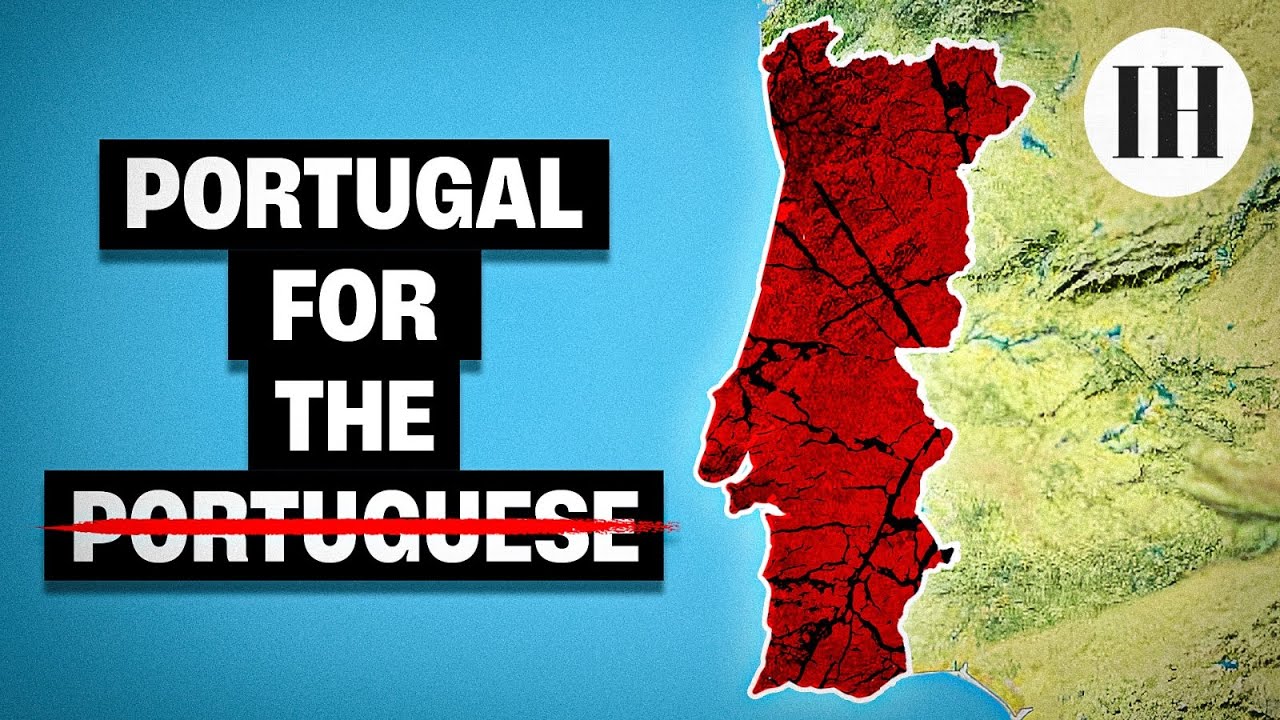
Portugal: Living Costs Soar
Is Australia’s Economy Doomed?
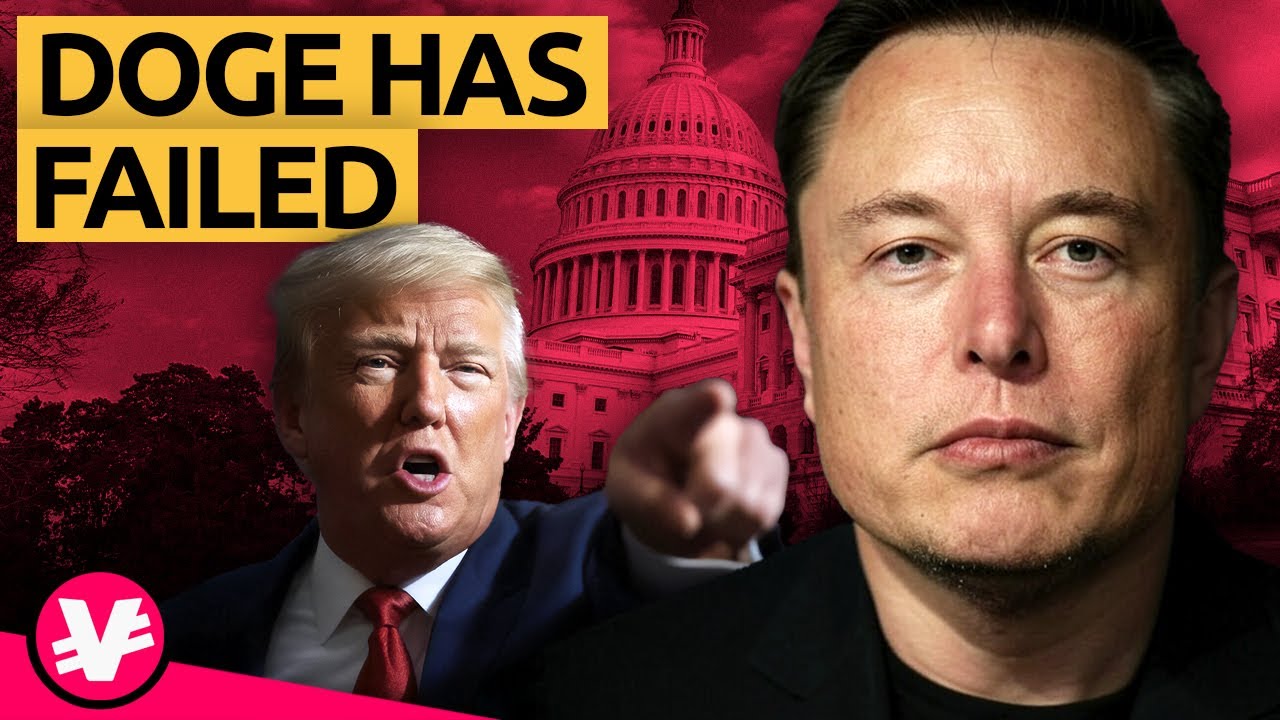
DOGE Fails to Slash U.S. Spending
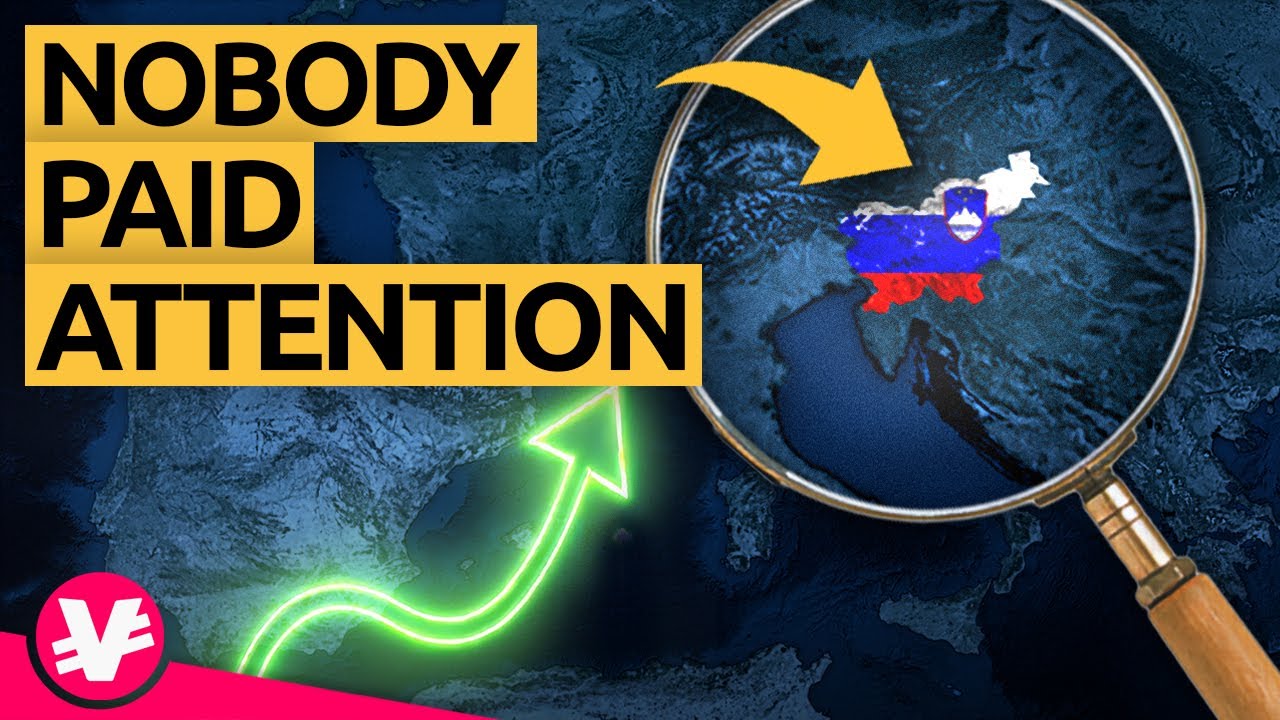
Slovenia’s Economic Triumph
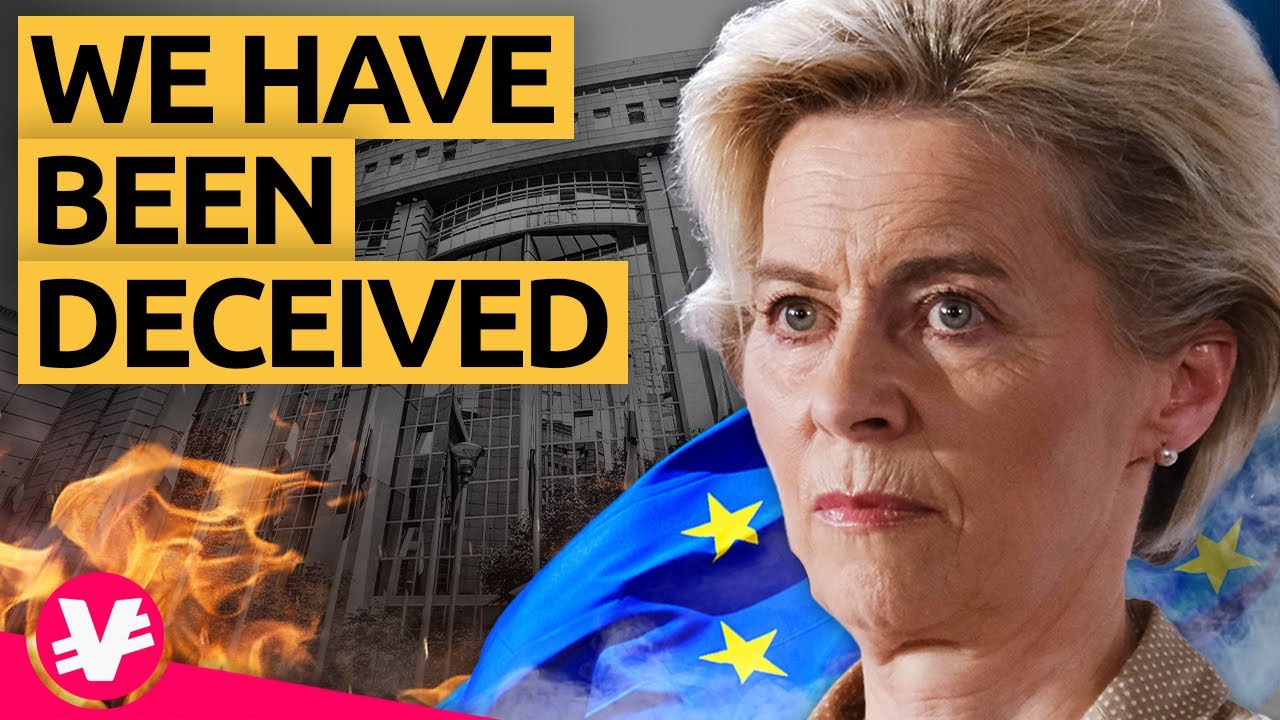
Next Generation EU a scam?

Can Poland Rescue Europe?
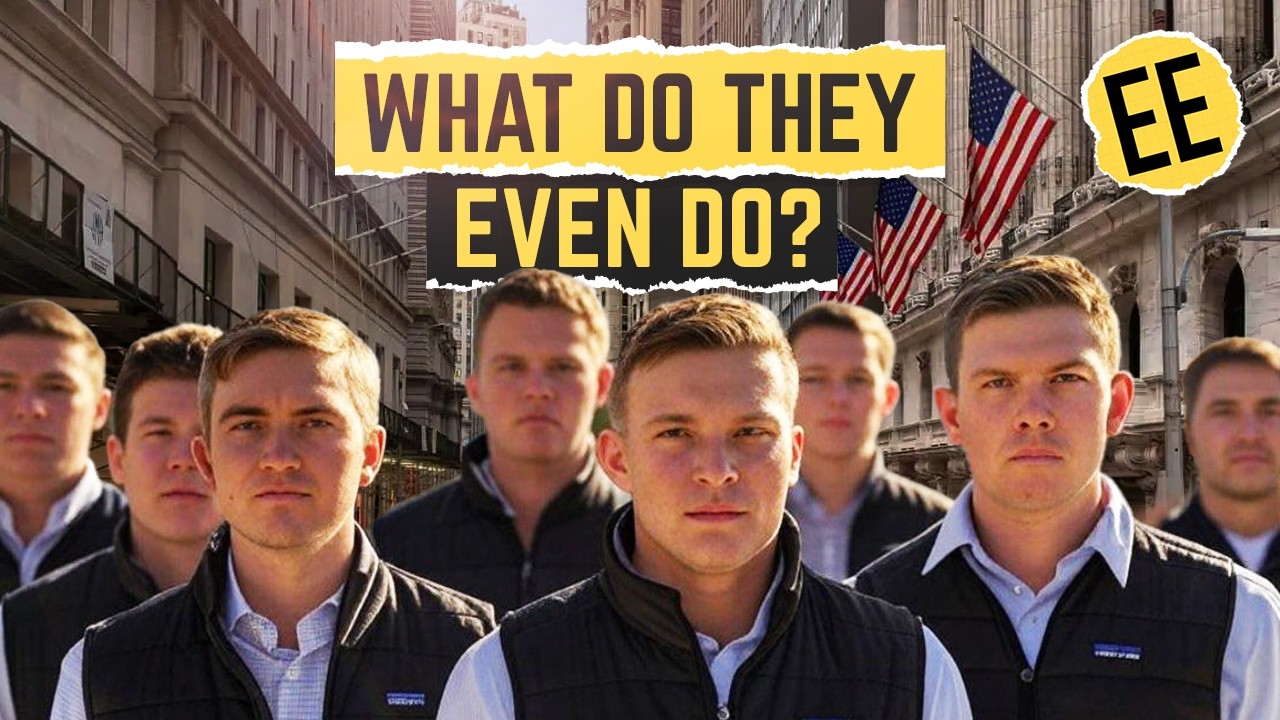
Finance’s Role in Economic Ruin
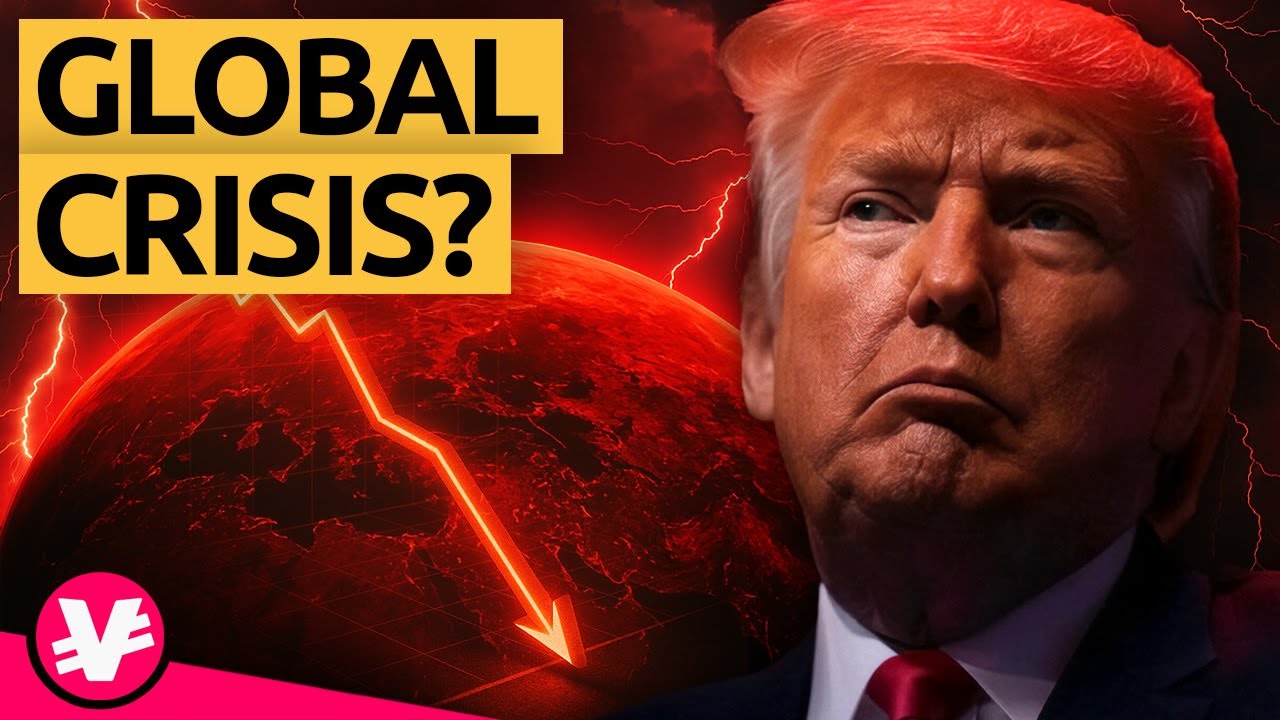
Trump’s Tariffs Spark Global Fear