-
 Real Madrid dump Man City out of Champions League once more
-
Clinical PSG bury Chelsea to reach Champions League quarter-finals

-
 Eze rocket fires Arsenal into Champions League quarters
-
US airlines still see strong demand as jet fuel worries loom
-
 Milei blasts Iran on anniversary of attack on Israeli embassy
-
USS Gerald R. Ford: the world's biggest aircraft carrier
-
 US, European stocks rise despite latest jump in oil prices
-
Sporting Lisbon thrash Bodo/Glimt to reach Champions League quarters

-
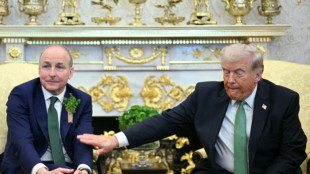 Irish PM pushes Trump on Iran -- politely
-
Arizona charges prediction market Kalshi with illegal election betting

-
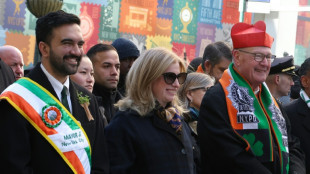 Leftist New York mayor under pressure on Irish unity question
-
Atletico boss Simeone defends Spurs star Romero

-
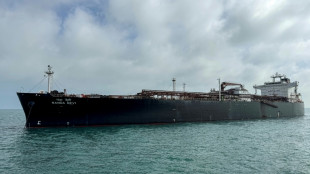 Iran vets friendly ships for Hormuz passage: trackers
-
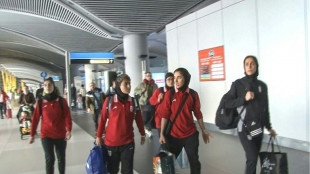
Iran women's football team arrive in Turkey on way home
-
 Mexico prepared to host Iran World Cup games, says president
-
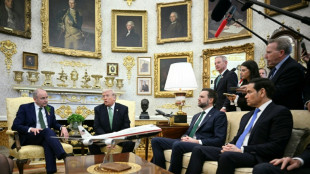
Trump blasts 'foolish' NATO on Iran, says US needs no help
-
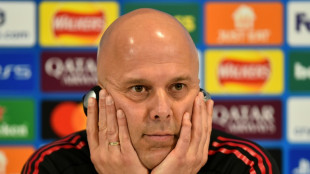 Slot vows to win back support of frustrated Liverpool fans
-
In Ukraine, Sean Penn gifted Oscar made from train carriage hit by Russia

-
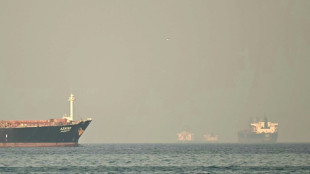 Ships in Gulf risk shortages on board, industry warns
-
White House piles pressure on Cuba as island fights power cut

-
 Newcastle must grow under Camp Nou pressure: Howe
-
Trump says to make delayed China trip in 'five or six weeks'

-
 Kompany warns of complacency as injury-hit Bayern host Atalanta
-
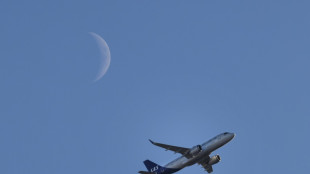
SAS cancels flights after fuel prices surge
-
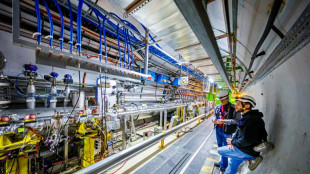 New particle discovered by Large Hadron Collider
-
Lebanon says Israeli strikes kill soldiers, as shelters overflow

-
 Van de Ven insists it's 'nonsense' to say players don't care about Spurs' plight
-
Argentina withdraws from World Health Organization

-
 US Fed expected to keep rates steady as Iran war impact looms
-
Two men in Kenyan court for ant-smuggling

-
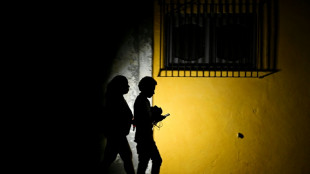 Cuba scrambles to restore power as Trump threatens takeover
-
War fuels fears of new oil crisis

-
 Kerr 'frustrated' at six-figure sum owed to him by Johnson's failed Grand Slam Track
-
Senior US counterterrorism official resigns to protest Iran war

-
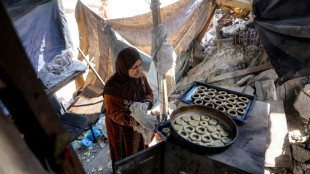 In shadow of Iran war, Gazans prepare for Eid
-
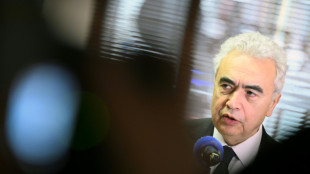
Oil prices climb as fresh strikes target infrastructure
-
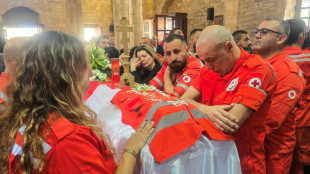 Southern Lebanon paramedics risk deadly Israeli strikes to do their work
-
Len Deighton, spy novelist who created the anti-Bond

-
 Barca Flick's 'last job' but not yet certain on renewal
-
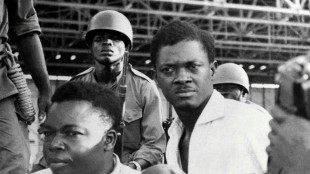
Belgian diplomat ordered to stand trial over 1961 Congo leader murder
-
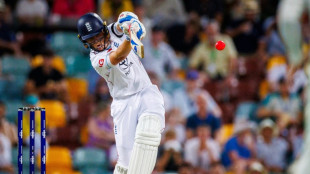 Pope says idea England 'weren't fussed' about the Ashes was tough to take
-
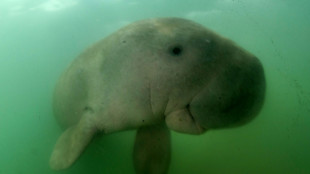
War threatens Gulf's dugongs, turtles and birds
-
 Germany targets oil firms to prevent wartime price gouging
-
Chelsea striker Kerr sends Australia into Asian Cup final

-
 'East meets West': KPop Demon Hunters brings global fans to Seoul's sites
-
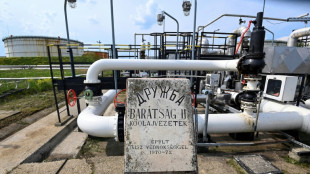
EU to help reopen blocked oil pipeline in Ukraine
-
 Thai eSports players sentenced over SEA Games cheating scandal
-
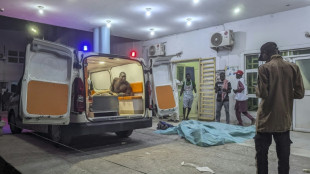
Nigeria suicide bombings kill 23, wound more than 100
-
 Iran's Larijani, the man whose power grew during Mideast war
-
Israel says killed Iran national security chief Larijani
Culture: Serbia’s architectural marvels
Serbia's Architectural Marvels: Exploring Manasija Monastery and Smederevo Fortress
Serbia, a land where East meets West, boasts a rich tapestry of history and culture reflected in its architectural heritage. Among its most remarkable structures are the Manasija Monastery and the Smederevo Fortress. These edifices not only exemplify the pinnacle of medieval Serbian architecture but also tell stories of resilience, faith, and artistry that have withstood the test of time.
Manasija Monastery: A Testament to Faith and Artistry
Nestled in the lush Resava valley near the town of Despotovac, the Manasija Monastery, also known as Resava, stands as a beacon of Serbia's spiritual and cultural legacy. Founded in the early 15th century by Despot Stefan Lazarević, a revered Serbian ruler and poet, the monastery is a masterpiece of Morava architectural style, characterised by intricate stone carvings and harmonious proportions.
Architectural Significance
The monastery complex is encircled by formidable fortifications, featuring 11 towers connected by robust walls, reflecting the turbulent times during which it was built. The Church of the Holy Trinity, the monastery's focal point, is adorned with stunning frescoes that are considered among the finest in medieval Serbian art. These frescoes exhibit a blend of Byzantine influences and local artistic expression, depicting biblical scenes with remarkable depth and emotion.
The monastery's construction showcases advanced engineering techniques of the era. The use of alternating rows of stone and brick creates a distinctive striped pattern, while the detailed carvings of floral and geometric motifs highlight the craftsmen's exceptional skills.
Cultural and Historical Impact
Manasija Monastery served not only as a religious centre but also as a hub of scholarly activity. It housed the famous Resava School, a scriptorium where manuscripts were copied and translated, playing a crucial role in preserving Serbian literature and learning during the Ottoman incursions. Today, the monastery remains active, offering visitors a glimpse into Serbia's spiritual heart and its enduring commitment to cultural preservation.
Smederevo Fortress: The Last Capital of Medieval Serbia
Situated on the right bank of the Danube River, the Smederevo Fortress stands as one of the largest fortifications in Europe. Commissioned by Despot Đurađ Branković in the 15th century, it was intended to be the new capital of Serbia following the fall of Belgrade to the Ottomans.
Architectural Grandeur
The fortress encompasses an area of approximately 11 hectares and is designed in a triangular shape to conform to the terrain and the river's course. It features massive walls up to 10 metres high and 4 metres thick, reinforced by 25 towers. The strategic design reflects a combination of Byzantine fortification principles and the latest military architecture of the time.
Notably, the fortress was constructed swiftly, within a decade, demonstrating the organisational capabilities and resources mobilised by the Serbian state. The use of durable materials and the integration of natural defences illustrate the sophistication of medieval Serbian military engineering.
Historical Significance
Smederevo Fortress served as a bulwark against Ottoman expansion but ultimately fell after prolonged sieges. Its capture marked the end of the medieval Serbian state. Over the centuries, the fortress witnessed various rulers and conflicts, leaving behind layers of history etched into its stones.
Today, the fortress is a symbol of national pride and a venue for cultural events, drawing tourists and historians alike. Efforts have been made to preserve and restore the site, recognising its importance as a tangible link to Serbia's past.
Preservation and Legacy
Both Manasija Monastery and Smederevo Fortress have faced challenges over the centuries, from warfare to natural decay. Restoration projects have been essential in safeguarding these monuments for future generations. Manasija was inscribed on the UNESCO Tentative List, highlighting its universal value and the need for international cooperation in its preservation.
These sites offer invaluable insights into the social, religious, and political dynamics of medieval Serbia. They exemplify the country's architectural innovation and its role as a crossroads of cultures.
A Journey Through Time
Visiting these architectural wonders provides a profound experience. At Manasija Monastery, the tranquillity of the surroundings complements the spiritual atmosphere, inviting reflection amidst artistic splendour. The frescoes, with their vivid colours and expressive figures, bring to life stories that have inspired believers for centuries.
At Smederevo Fortress, one can walk along the ancient ramparts, imagining the sights and sounds of a bustling medieval capital. The panoramic views of the Danube and the town of Smederevo connect the past with the present, illustrating the enduring relevance of this historic stronghold.
Conclusion
Serbia's architectural heritage, epitomised by the Manasija Monastery and the Smederevo Fortress, is a testament to the nation's rich history and cultural resilience. These sites not only represent remarkable achievements in architecture and art but also embody the spirit of a people who have navigated the complexities of history with fortitude and creativity.
For travellers and scholars alike, exploring these monuments offers a unique opportunity to delve into the depths of Serbian heritage. As custodians of this legacy, continued efforts in preservation and education are essential to ensure that these treasures remain vibrant parts of Serbia's cultural landscape.

Europe's Economic Self-Sabotage

Trump fails due to Russia's tough stance

Pope Francis: A Transformative Legacy
Portugal: Living Costs Soar

Is Australia’s Economy Doomed?

DOGE Fails to Slash U.S. Spending

Slovenia’s Economic Triumph

Next Generation EU a scam?

Can Poland Rescue Europe?

Finance’s Role in Economic Ruin

Trump’s Tariffs Spark Global Fear