-
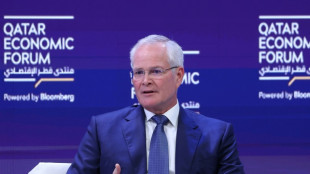 ExxonMobil CEO sees chance of higher oil prices as earnings dip
-
Leclerc on top for Ferrari ahead of Verstappen and Piastri

-
 After Madonna and Lady Gaga, Shakira set for Rio beach mega-gig
-
Trump says will raise US tariffs on EU cars, trucks to 25%

-
 Godon raises game to take Romandie stage and revenge over leader Pogacar
-
Celtic's O'Neill expects no let-up from Hibs despite fans' feelings

-
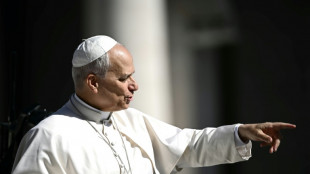 Pope names former undocumented migrant as US bishop
-
Javelin star Kitaguchi teams up with Czech legend Zelezny

-
 Sawe sub-2hr marathon captured 'global imagination' says Coe
-
King Charles gets warm welcome in Bermuda after whirlwind US visit

-
 Sinner shines to beat Fils, reach Madrid Open final
-
UK court clears comedy writer of damaging transgender activist's phone

-
 Was LIV Golf an expensive failure for Saudis? Not everyone thinks so
-
Coe hails IOC gender testing decision

-
 McInnes wants Tynecastle in 'full glory' for Hearts title charge
-
McFarlane says troubled Chelsea still attractive to potential managers

-
 Man Utd boss Carrick relishes 'special' Liverpool rivalry
-
Baguettes take centre stage on France's Labour Day

-
 Spurs must banish 'loser' mentality despite injury woes, says De Zerbi
-
Arsenal must manage emotions of title race says Arteta

-
 Nepal temple celebrates return of stolen Buddha statue
-
US Fed official says rate hikes may be needed if inflation surges

-
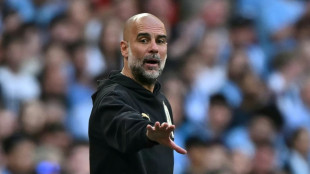 Fixture pile-up no excuse for Man City in title race: Guardiola
-
Iran offers new proposal amid stalled US peace talks

-
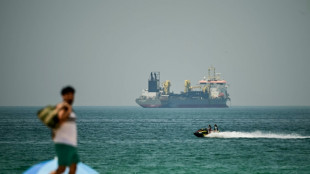 Gulf countries' plans to bypass Hormuz still far off, experts warn
-
Luis Enrique says 'unique' PSG-Bayern first leg could have gone either way

-
 Rebels take key military camp in Mali's north
-
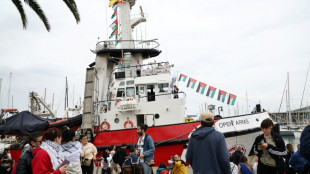
Activists on Gaza aid flotilla seized by Israeli forces disembark in Crete
-
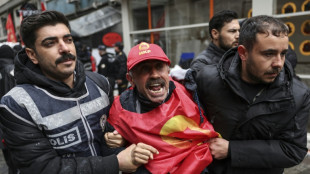 Turkish police fire tear gas, arrest hundreds at Istanbul May Day rallies
-
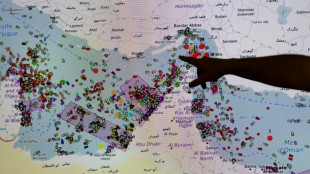
French hub monitors Hormuz tensions from afar
-
 Flick happy Raphinha back for Barca with title in sight
-
UN troubled by rejected appeal of Cambodian opposition leader

-
 Activists on Gaza aid flotilla detained by Israel disembark in Crete
-
Suspect appears in UK court charged with attacking two Jewish men

-
 Oil steady after wild swing, stocks diverge in thin trading
-
Lufthansa says searching for Oscar lost after US airport security row

-
 Howe says Saudi backers are fully behind Newcastle
-
Chinese swimmer Sun Yang reports cyberbullying to police

-
 Salah 'deserves big send-off', says Liverpool boss Slot
-
UK police charge man with stabbing attack on two Jewish Londoners

-
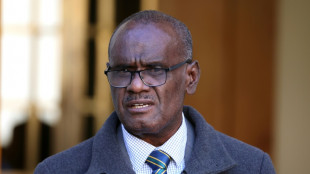 Solomon Islands leader loses court appeal, must face no confidence vote
-
Former world skating champion Uno joins pro eSports team

-
 Japan baseball umpire hit by bat still unconscious two weeks on
-
Nakatani says won't be intimidated in sold-out Inoue title clash

-
 T-Wolves eliminate Nuggets as Knicks demolish Hawks in NBA playoffs
-
Timberwolves eliminate Jokic's Nuggets from NBA playoffs

-
 Iran activates air defences as Trump faces congressional deadline
-
Arsenal seek to ramp up heat on Man City in title race

-
 PSG closing in on another French title before Bayern second leg
-
Espanyol must stop rot against Real Madrid as Barca eye title

EU Residence permits: Record level to third nationals
The European Union (EU) has witnessed a significant increase in the number of residence permits issued to third-country nationals over the past decades. This trend has sparked a debate on whether such immigration represents a valuable opportunity for the EU's future or poses a burden to its member states. This article explores the reasons behind the proliferation of residence permits and examines the potential implications for the EU.
Understanding the Surge in Residence Permits
Economic Drivers
One of the primary reasons for the high number of residence permits is the economic demand within the EU. Many member states face ageing populations and shrinking workforces, which can hinder economic growth and strain public welfare systems.
- Labour Shortages: Sectors such as healthcare, engineering, information technology, and agriculture often experience shortages of skilled and unskilled labour. Immigration provides a solution by filling these gaps with third-country nationals.
- Innovation and Competitiveness: Attracting highly skilled professionals from around the world enhances the EU's competitiveness in the global market, fostering innovation and technological advancement.
Educational Opportunities
European universities and educational institutions are renowned globally, attracting students from non-EU countries.
- International Students: Many third-country nationals receive residence permits to study in the EU, contributing to cultural diversity and academic excellence.
- Knowledge Retention: Post-graduation, some students choose to remain in the EU, adding value to the labour market with their acquired skills and expertise.
Humanitarian Obligations
The EU upholds strong commitments to human rights and humanitarian assistance.
- Asylum Seekers and Refugees: Conflicts, persecution, and humanitarian crises in regions like the Middle East and Africa have led to an influx of individuals seeking safety in the EU.
- Family Reunification: Policies that allow family members to join relatives legally residing in the EU contribute to the number of residence permits issued.
Legal Frameworks and Policies
EU directives and national policies facilitate the issuance of residence permits.
- Blue Card Scheme: Designed to attract highly qualified workers, the Blue Card system provides a streamlined process for third-country nationals to live and work in the EU.
- Bilateral Agreements: Some member states have agreements with non-EU countries to encourage mobility and cooperation.
Opportunity for the EU's Future
Economic Growth and Sustainability
Immigration can stimulate economic activity and support public finances.
- Workforce Renewal: Immigrants often fill essential roles, ensuring the continuity of services and industries.
- Fiscal Contributions: Employed immigrants contribute to tax revenues and social security systems, helping to offset the costs of an ageing native population.
Cultural Enrichment and Diversity
Diversity fosters creativity and innovation.
- Cultural Exchange: Immigrants bring new perspectives, traditions, and ideas, enriching the social fabric of EU societies.
- Soft Power: A multicultural population enhances the EU's global influence and diplomatic relations.
Addressing Demographic Challenges
Immigration helps mitigate demographic imbalances.
- Population Decline: In countries with low birth rates, immigrants contribute to population growth and demographic stability.- Support for Elderly Populations: A younger immigrant workforce can support the increasing number of retirees.
Potential Burdens and Challenges
Social Integration
Integrating immigrants into society poses challenges.
- Cultural Differences: Language barriers and cultural disparities can hinder social cohesion.
- Education and Training: Additional resources may be required to provide language education and vocational training.
Economic Pressures
There are concerns about the strain on public services.
- Welfare Systems: Increased demand for healthcare, housing, and social services can pressure budgets, especially if immigrants face unemployment.
- Labour Market Competition: Some fear that immigrants may compete with native workers for jobs, potentially affecting wages and employment opportunities.
Political and Social Tensions
Immigration can become a polarising issue.
- Rise of Populism: Anti-immigrant sentiments can fuel nationalist movements and political polarisation.
- Security Concerns: Issues related to border control and illegal immigration raise security considerations.
Balancing Act: Policies for Sustainable Immigration
For immigration to serve as an opportunity rather than a burden, strategic policies are essential.
Effective Integration Strategies
- Education and Language Acquisition: Investing in programmes that facilitate language learning and cultural orientation.
- Employment Support: Providing pathways for immigrants to enter the labour market commensurate with their skills.
Economic Planning
- Targeted Immigration: Aligning immigration policies with labour market needs to ensure that incoming individuals fill critical roles.
- Support for Innovation: Encouraging entrepreneurs and investors through favourable conditions and support networks.
Social Cohesion Initiatives
- Community Engagement: Promoting interactions between immigrants and local communities to build mutual understanding.
- Anti-Discrimination Laws: Enforcing legislation that protects the rights of immigrants and promotes equality.
Conclusion: A Future Shaped by Immigration
The influx of third-country nationals through residence permits presents both opportunities and challenges for the European Union. When managed effectively, immigration can address demographic issues, bolster economic growth, and enrich societies culturally. However, without careful planning and integration efforts, it may lead to social tensions and economic pressures.
The key lies in implementing comprehensive policies that maximise the benefits of immigration while mitigating its challenges. By fostering an inclusive environment and leveraging the potential of immigrants, the EU can turn what some perceive as a burden into a significant advantage for its future.
UK politics: Outlook for 2026

United Kingdom vs Immigration

Trump's threats to Colombia

COSTCO profits from Fees
AI bust: Layoffs & Rent surge
Trap laid, Ukraine walked in

BRICS-Dollar challenge

Saudi shift shakes Israel

Al-Qaida’s growing ambitions

Argentina's radical Shift

Hidden Cartel crisis in USA