-
 Mired in economic trouble, Bangladesh pins hopes on election boost
-
Chinese cash in jewellery at automated gold recyclers as prices soar

-
 Israel to partially reopen Gaza's Rafah crossing
-
'Quiet assassin' Rybakina targets world number one after Melbourne win

-
 Deportation raids drive Minneapolis immigrant family into hiding
-
Nvidia boss insists 'huge' investment in OpenAI on track

-
 'Immortal' Indian comics keep up with changing times
-
With Trump mum, last US-Russia nuclear pact set to end
-
 In Sudan's old port of Suakin, dreams of a tourism revival
-
Narco violence dominates as Costa Rica votes for president

-
 Snowstorm barrels into southern US as blast of icy weather widens
-
LA Olympic chief 'deeply regrets' flirty Maxwell emails in Epstein files

-
 Rose powers to commanding six-shot lead at Torrey Pines
-
Barca wasteful but beat Elche to extend Liga lead
-
 Konate cut short compassionate leave to ease Liverpool injury crisis
-
Separatist attacks in Pakistan kill 33, dozens of militants dead

-
 Dodgers manager Roberts says Ohtani won't pitch in Classic
-
Arsenal stretch Premier League lead as Chelsea, Liverpool stage comebacks
-
 Korda defies cold and wind to lead LPGA opener
-
New head of US mission in Venezuela arrives as ties warm
-
 Barca triumph at Elche to extend Liga lead
-
Ekitike, Wirtz give Liverpool sight of bright future in Newcastle win

-
 West Indies 'tick boxes' in shortened T20 against South Africa
-
Chelsea have something 'special' says Rosenior

-
 De Zerbi 'ready to go to war' to solve Marseille troubles
-
Hornets hold off Wemby's Spurs for sixth NBA win in a row

-
 Moyes blasts killjoy booking after Everton's late leveller
-
Ex-prince Andrew again caught up in Epstein scandal

-
 Bayern held at Hamburg to open door for Dortmund
-
Atletico stumble to draw at Levante, Villarreal held
-
 Chelsea stage impressive fightback to beat West Ham
-
Arsenal stretch Premier League lead, Chelsea fightback breaks Hammers' hearts
-
 Napoli edge Fiorentina as injury crisis deepens
-
How Lego got swept up in US-Mexico trade frictions

-
 UK rights campaigner Tatchell arrested at pro-Palestinian protest
-
Iran says progress made towards US talks despite attack jitters
-
 'Empowering': Ireland's first female sumo wrestler blazes a trail
-
US judge denies Minnesota bid to suspend immigration sweeps

-
 Ukraine hit by mass power outages after 'technical malfunction'
-
AC Milan prolong France 'keeper Maignan deal by five years
-
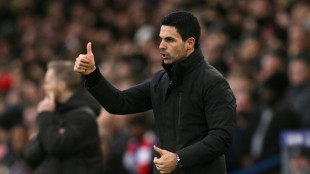
 Arteta hails Arsenal's statement rout of Leeds
-
Marseille buckle as Paris FC battle back for draw

-
 Protesters demand 'justice' one month after Swiss bar fire
-
Philadelphia's Paul George gets 25-game NBA drugs ban

-
 La Rochelle suffer defeat after shock Atonio retirement
-
'It wasn't working': Canada province ends drug decriminalization

-
 Kishan, Arshdeep star as India down New Zealand in T20 finale
-
Moreno bags brace but Villarreal held at Osasuna

-
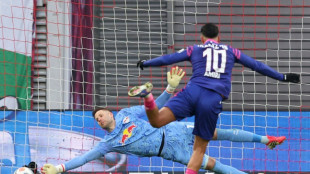 Kramaric keeps in-form Hoffenheim rolling in Bundesliga
-
'Skimo': Adrenalin-packed sprint to make Olympic debut

NYSE - LSE
EU: How do we deal with Donald Trump?
The prospect of Donald Trump returning to the Oval Office as the 47th President of the United States presents the European Union (EU) with a complex array of challenges and considerations. A renewed Trump presidency could significantly alter the transatlantic relationship, impacting economic ties and security cooperation. It is imperative for the EU to proactively assess its strategies to navigate this potential shift in U.S. foreign policy.
Recalibrating Diplomatic Engagement
Under President Trump's previous tenure, the transatlantic alliance experienced strains over issues such as trade tariffs, NATO funding, and differing approaches to global agreements like the Paris Climate Accord and the Iran Nuclear Deal. The EU should prepare for a diplomatic landscape where unilateral U.S. decisions might resurface. Strengthening intra-EU cohesion and presenting a unified front in negotiations could enhance the bloc's ability to manage disagreements effectively.
Economic Implications and Trade Policies
A Trump administration may revisit protectionist trade policies, potentially reinstating tariffs on European goods. The EU should consider:
- Diversifying Trade Partnerships: Reducing reliance on the U.S. market by expanding trade agreements with other global partners could mitigate economic risks.
- Enhancing Internal Markets: Strengthening the Single Market can bolster the EU's economic resilience against external shocks.
- Negotiating Trade Terms: Proactive engagement with U.S. counterparts to find mutually beneficial trade arrangements may prevent escalations.
Security and Defense Considerations
Trump's previous criticisms of NATO and demands for increased defense spending from European allies could resurface. The EU might need to:
- Boost Defense Capabilities: Investing in European defense initiatives can reduce dependency on U.S. military support.
- Promote Strategic Autonomy: Developing independent security strategies allows the EU to respond to global threats more effectively.
- Maintain Open Channels: Continuous dialogue with U.S. defense officials is crucial to preserve cooperation on shared security interests.
Climate Change and Environmental Policies
Given Trump's past withdrawal from the Paris Climate Accord, environmental collaboration may face challenges. The EU should:
- Lead Global Efforts: Continue to champion climate initiatives on the international stage, encouraging other nations to commit to environmental goals.
- Engage in Dialogue: Seek common ground with the U.S. on specific environmental issues where cooperation is possible.
Addressing Global Governance and Multilateralism
A shift towards unilateralism in U.S. foreign policy could undermine multilateral institutions. The EU can:
- Support International Organizations: Reinforce commitment to the United Nations, World Trade Organization, and other bodies to uphold global governance structures.
- Forge Alliances: Collaborate with like-minded countries to promote a rules-based international order.
Mitigating Risks of Geopolitical Tensions
Potential policy divergences on relations with countries like China, Russia, and Iran require careful navigation. The EU should:
- Develop Cohesive Foreign Policies: Align member states on key foreign policy positions to present a united stance.
- Engage in Strategic Dialogue: Maintain open communications with the U.S. to manage disagreements and prevent escalations.
Conclusion
A potential second Trump presidency necessitates that the European Union reassesses its approach to transatlantic relations. By prioritizing unity, enhancing strategic autonomy, and engaging in proactive diplomacy, the EU can mitigate potential economic and security risks. Preparing for various scenarios ensures that the EU remains resilient and capable of upholding its interests on the global stage.

EU DECODED: Deforestation law’s trade-offs

Underwater Wi-Fi: European startups woo investors
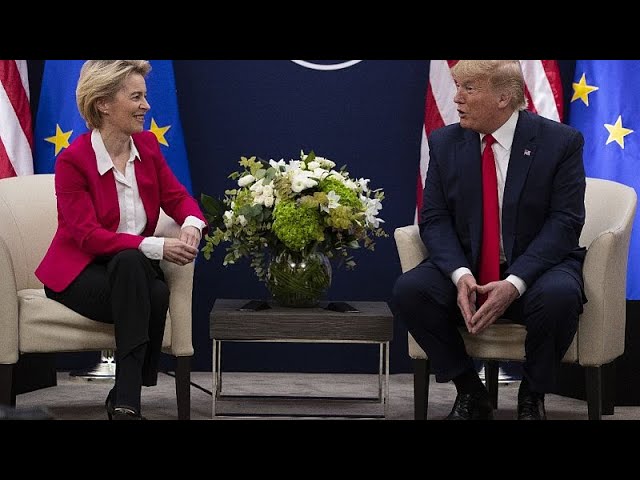
Trump's US support for Ukraine and China?

Cultural year 2024: between Qatar and Morocco

Planning a wellness break? Poland!

Studio Kremlin: creative co-working in Paris

Culture: Serbia’s architectural marvels
EU Residence permits: Record level to third nationals
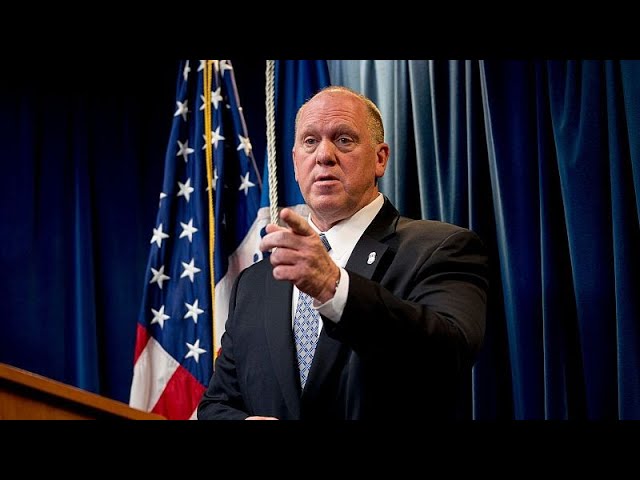
Trump announces Homan as new 'border czar'
Watch Live: Trump or Harris? America votes!
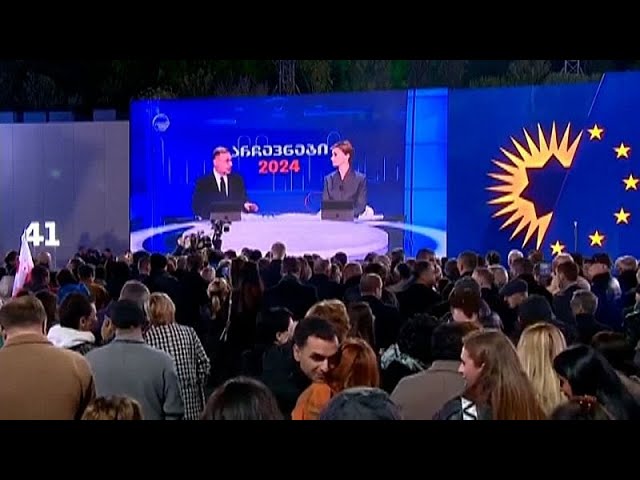
Georgia: Ruling party celebrates election victory