-
 USS Gerald R. Ford: the world's biggest aircraft carrier
-
US, European stocks rise despite latest jump in oil prices

-
 Sporting Lisbon thrash Bodo/Glimt to reach Champions League quarters
-
Irish PM pushes Trump on Iran -- politely
-
 Arizona charges prediction market Kalshi with illegal election betting
-
Leftist New York mayor under pressure on Irish unity question

-
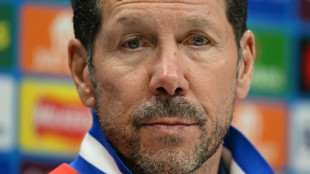 Atletico boss Simeone defends Spurs star Romero
-
Iran vets friendly ships for Hormuz passage: trackers

-
 Iran women's football team arrive in Turkey on way home
-
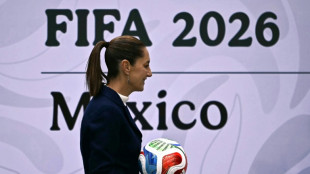
Mexico prepared to host Iran World Cup games, says president
-
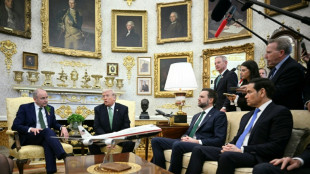 Trump blasts 'foolish' NATO on Iran, says US needs no help
-
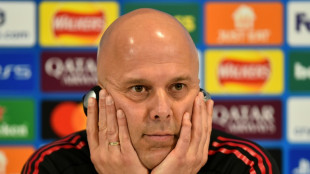
Slot vows to win back support of frustrated Liverpool fans
-
 In Ukraine, Sean Penn gifted Oscar made from train carriage hit by Russia
-
Ships in Gulf risk shortages on board, industry warns
-
 White House piles pressure on Cuba as island fights power cut
-
Newcastle must grow under Camp Nou pressure: Howe
-
 Trump says to make delayed China trip in 'five or six weeks'
-
Kompany warns of complacency as injury-hit Bayern host Atalanta

-
 SAS cancels flights after fuel prices surge
-
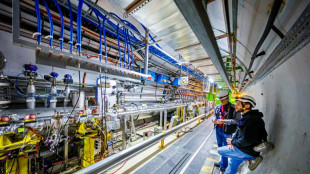
New particle discovered by Large Hadron Collider
-
 Lebanon says Israeli strikes kill soldiers, as shelters overflow
-
Van de Ven insists it's 'nonsense' to say players don't care about Spurs' plight

-
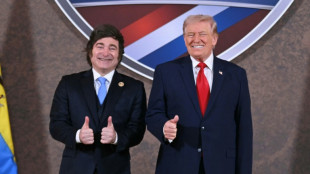 Argentina withdraws from World Health Organization
-
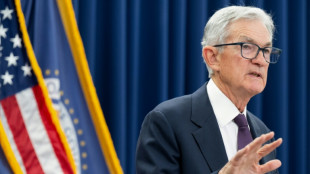
US Fed expected to keep rates steady as Iran war impact looms
-
 Two men in Kenyan court for ant-smuggling
-
Cuba scrambles to restore power as Trump threatens takeover

-
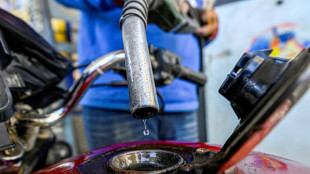 War fuels fears of new oil crisis
-
Kerr 'frustrated' at six-figure sum owed to him by Johnson's failed Grand Slam Track

-
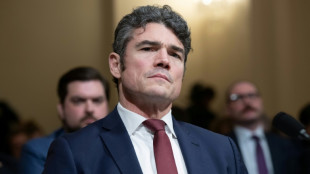 Senior US counterterrorism official resigns to protest Iran war
-
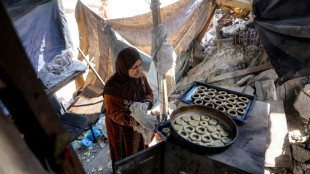
In shadow of Iran war, Gazans prepare for Eid
-
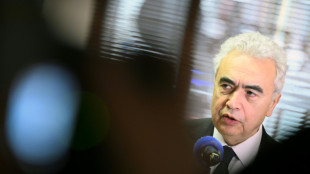 Oil prices climb as fresh strikes target infrastructure
-
Southern Lebanon paramedics risk deadly Israeli strikes to do their work

-
 Len Deighton, spy novelist who created the anti-Bond
-
Barca Flick's 'last job' but not yet certain on renewal

-
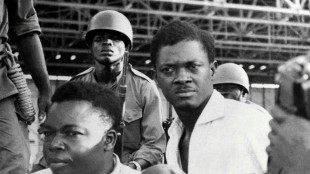 Belgian diplomat ordered to stand trial over 1961 Congo leader murder
-
Pope says idea England 'weren't fussed' about the Ashes was tough to take
-
 War threatens Gulf's dugongs, turtles and birds
-
Germany targets oil firms to prevent wartime price gouging
-
 Chelsea striker Kerr sends Australia into Asian Cup final
-
'East meets West': KPop Demon Hunters brings global fans to Seoul's sites

-
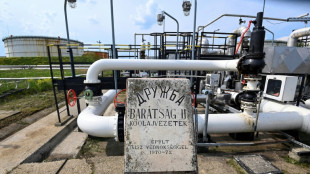 EU to help reopen blocked oil pipeline in Ukraine
-
Thai eSports players sentenced over SEA Games cheating scandal

-
 Nigeria suicide bombings kill 23, wound more than 100
-
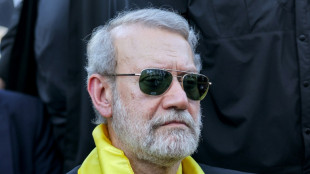
Iran's Larijani, the man whose power grew during Mideast war
-
 Israel says killed Iran national security chief Larijani
-
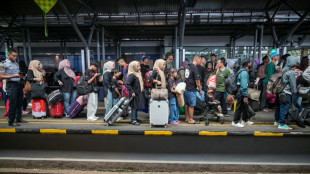
Millions of Indonesians in Eid travel exodus
-
 Israel strikes Beirut suburbs as displacement shelters overflow
-
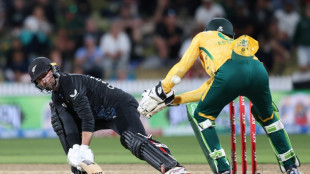
Hard-hitting Conway steers New Zealand to victory over South Africa
-
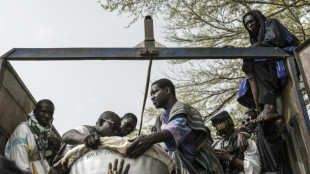 During Ramadan, Senegal's Baye Fall community lives to serve
-
Afghan govt says 'around 400' killed in Pakistani strike on Kabul rehab clinic

EU: How do we deal with Donald Trump?
The prospect of Donald Trump returning to the Oval Office as the 47th President of the United States presents the European Union (EU) with a complex array of challenges and considerations. A renewed Trump presidency could significantly alter the transatlantic relationship, impacting economic ties and security cooperation. It is imperative for the EU to proactively assess its strategies to navigate this potential shift in U.S. foreign policy.
Recalibrating Diplomatic Engagement
Under President Trump's previous tenure, the transatlantic alliance experienced strains over issues such as trade tariffs, NATO funding, and differing approaches to global agreements like the Paris Climate Accord and the Iran Nuclear Deal. The EU should prepare for a diplomatic landscape where unilateral U.S. decisions might resurface. Strengthening intra-EU cohesion and presenting a unified front in negotiations could enhance the bloc's ability to manage disagreements effectively.
Economic Implications and Trade Policies
A Trump administration may revisit protectionist trade policies, potentially reinstating tariffs on European goods. The EU should consider:
- Diversifying Trade Partnerships: Reducing reliance on the U.S. market by expanding trade agreements with other global partners could mitigate economic risks.
- Enhancing Internal Markets: Strengthening the Single Market can bolster the EU's economic resilience against external shocks.
- Negotiating Trade Terms: Proactive engagement with U.S. counterparts to find mutually beneficial trade arrangements may prevent escalations.
Security and Defense Considerations
Trump's previous criticisms of NATO and demands for increased defense spending from European allies could resurface. The EU might need to:
- Boost Defense Capabilities: Investing in European defense initiatives can reduce dependency on U.S. military support.
- Promote Strategic Autonomy: Developing independent security strategies allows the EU to respond to global threats more effectively.
- Maintain Open Channels: Continuous dialogue with U.S. defense officials is crucial to preserve cooperation on shared security interests.
Climate Change and Environmental Policies
Given Trump's past withdrawal from the Paris Climate Accord, environmental collaboration may face challenges. The EU should:
- Lead Global Efforts: Continue to champion climate initiatives on the international stage, encouraging other nations to commit to environmental goals.
- Engage in Dialogue: Seek common ground with the U.S. on specific environmental issues where cooperation is possible.
Addressing Global Governance and Multilateralism
A shift towards unilateralism in U.S. foreign policy could undermine multilateral institutions. The EU can:
- Support International Organizations: Reinforce commitment to the United Nations, World Trade Organization, and other bodies to uphold global governance structures.
- Forge Alliances: Collaborate with like-minded countries to promote a rules-based international order.
Mitigating Risks of Geopolitical Tensions
Potential policy divergences on relations with countries like China, Russia, and Iran require careful navigation. The EU should:
- Develop Cohesive Foreign Policies: Align member states on key foreign policy positions to present a united stance.
- Engage in Strategic Dialogue: Maintain open communications with the U.S. to manage disagreements and prevent escalations.
Conclusion
A potential second Trump presidency necessitates that the European Union reassesses its approach to transatlantic relations. By prioritizing unity, enhancing strategic autonomy, and engaging in proactive diplomacy, the EU can mitigate potential economic and security risks. Preparing for various scenarios ensures that the EU remains resilient and capable of upholding its interests on the global stage.
Zelensky's trap for Putin
US tariff dispute: No winner

Euro Challenges Dollar's Reign
Leo XIV and Trump: Allies?
India-Pakistan War Fears Grow
Mexico defies Trump's demands
Iran's nuclear dilemma: peace or war?
Trump's expanded tariff risk
East Asia united against Trump
India-Pakistan Tensions Surge
China Strikes Back: Tariff War