-
 USS Gerald R. Ford: the world's biggest aircraft carrier
-
US, European stocks rise despite latest jump in oil prices

-
 Sporting Lisbon thrash Bodo/Glimt to reach Champions League quarters
-
Irish PM pushes Trump on Iran -- politely

-
 Arizona charges prediction market Kalshi with illegal election betting
-
Leftist New York mayor under pressure on Irish unity question

-
 Atletico boss Simeone defends Spurs star Romero
-
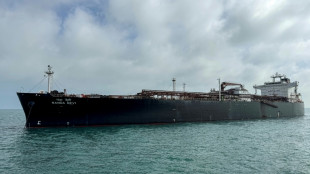
Iran vets friendly ships for Hormuz passage: trackers
-
 Iran women's football team arrive in Turkey on way home
-
Mexico prepared to host Iran World Cup games, says president

-
 Trump blasts 'foolish' NATO on Iran, says US needs no help
-
Slot vows to win back support of frustrated Liverpool fans

-
 In Ukraine, Sean Penn gifted Oscar made from train carriage hit by Russia
-
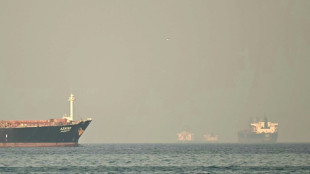
Ships in Gulf risk shortages on board, industry warns
-
 White House piles pressure on Cuba as island fights power cut
-
Newcastle must grow under Camp Nou pressure: Howe

-
 Trump says to make delayed China trip in 'five or six weeks'
-
Kompany warns of complacency as injury-hit Bayern host Atalanta

-
 SAS cancels flights after fuel prices surge
-
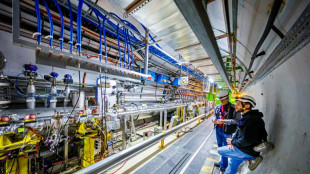
New particle discovered by Large Hadron Collider
-
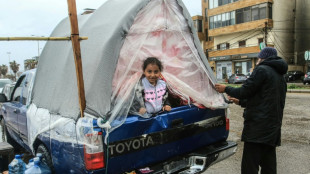 Lebanon says Israeli strikes kill soldiers, as shelters overflow
-
Van de Ven insists it's 'nonsense' to say players don't care about Spurs' plight

-
 Argentina withdraws from World Health Organization
-
US Fed expected to keep rates steady as Iran war impact looms

-
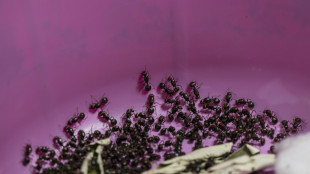 Two men in Kenyan court for ant-smuggling
-
Cuba scrambles to restore power as Trump threatens takeover

-
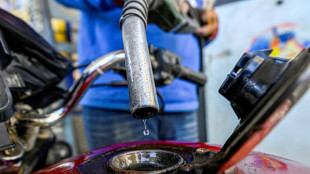 War fuels fears of new oil crisis
-
Kerr 'frustrated' at six-figure sum owed to him by Johnson's failed Grand Slam Track

-
 Senior US counterterrorism official resigns to protest Iran war
-
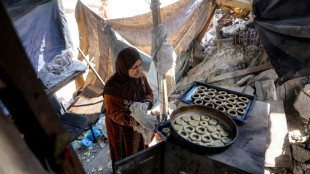
In shadow of Iran war, Gazans prepare for Eid
-
 Oil prices climb as fresh strikes target infrastructure
-
Southern Lebanon paramedics risk deadly Israeli strikes to do their work

-
 Len Deighton, spy novelist who created the anti-Bond
-
Barca Flick's 'last job' but not yet certain on renewal

-
 Belgian diplomat ordered to stand trial over 1961 Congo leader murder
-
Pope says idea England 'weren't fussed' about the Ashes was tough to take

-
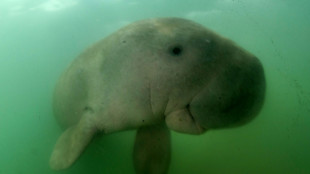 War threatens Gulf's dugongs, turtles and birds
-
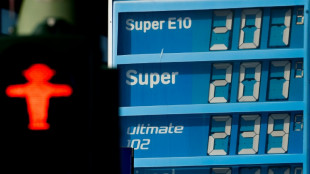
Germany targets oil firms to prevent wartime price gouging
-
 Chelsea striker Kerr sends Australia into Asian Cup final
-
'East meets West': KPop Demon Hunters brings global fans to Seoul's sites

-
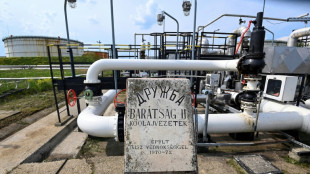 EU to help reopen blocked oil pipeline in Ukraine
-
Thai eSports players sentenced over SEA Games cheating scandal

-
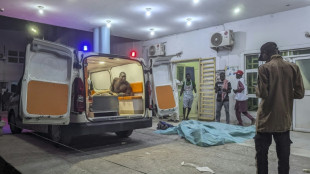 Nigeria suicide bombings kill 23, wound more than 100
-
Iran's Larijani, the man whose power grew during Mideast war

-
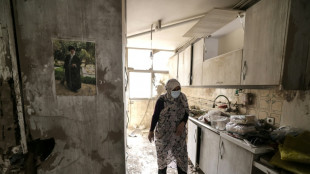 Israel says killed Iran national security chief Larijani
-
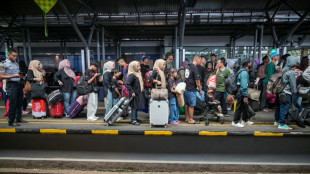
Millions of Indonesians in Eid travel exodus
-
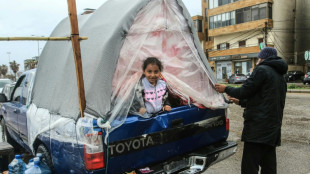 Israel strikes Beirut suburbs as displacement shelters overflow
-
Hard-hitting Conway steers New Zealand to victory over South Africa

-
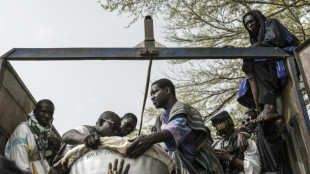 During Ramadan, Senegal's Baye Fall community lives to serve
-
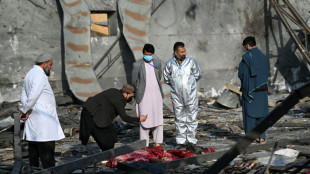
Afghan govt says 'around 400' killed in Pakistani strike on Kabul rehab clinic
Climate change: A farm in Rotterdam
An overview of the issue of climate change and its effects on agriculture?
Climate change is no longer just a future threat, but a present reality that is already having a significant impact on agriculture worldwide. Rising temperatures, changing precipitation patterns and an increase in extreme weather events pose immense challenges for farmers and threaten
The global average temperature has increased by about 1.1 degrees Celsius since pre-industrial times. This warming is leading to changes in the growing conditions for many crops. Some plant species are sensitive to higher temperatures, which can lead to reduced yields and quality losses. For example, grain filling can be affected in
Changing precipitation patterns and water scarcity
Climate change also affects precipitation patterns, leading to droughts in some regions and flooding in others. Water scarcity is becoming an increasingly pressing problem, especially in areas of intensive agricultural use. Without sufficient irrigation, plants suffer from drought stress, which inhibits growth and reduces yields. On the other hand, heavy rainfall and flooding
Increase in extreme weather events
More frequent and intense extreme weather events such as heat waves, storms and frost periods are having a significant impact on agricultural production. Such events can destroy entire harvests, damage infrastructure and have long-term effects on soil fertility. Farmers have to adapt to unpredictable weather conditions, which makes
Spread of pests and diseases
With rising temperatures and changing climate conditions, pests and plant diseases are also spreading into new areas. Insects, fungi and viruses that were previously limited by climatic conditions can now infest larger areas. This increases the demand for pesticides and poses additional challenges for organic farming.
Impacts on animal husbandry
Livestock farming is also affected by climate change. Heat stresses farm animals and can lead to reduced growth, lower milk production and increased mortality rates. In addition, climate change affects the availability of forage crops and water, which makes animal husbandry even more difficult.
Adapting cultivation practices: Crop rotation, conservation tillage and the use of cover crops can maintain soil fertility and increase resilience to extreme weather.
Breeding climate-resistant varieties: Developing plants that can better cope with heat, drought or flooding is crucial for future food security.
Efficient irrigation systems: Technologies such as drip irrigation reduce water consumption and help to use water more efficiently.
Early warning systems: Weather forecasts and warning systems can help farmers to be better prepared for extreme weather events.
Diversification: Diversifying crops and income sources helps farmers to better cushion risks.
Policy support and global cooperation
Tackling the effects of climate change on agriculture requires policy support and international cooperation. Investments in research and development, education, and infrastructure are necessary to support farmers in their adaptation efforts. Furthermore, it is important to reduce global emissions to mitigate further climate change.
Conclusion
Climate change poses a serious threat to agriculture and global food security. However, the effects can be mitigated through proactive adaptation measures, innovation and political support. It is crucial to act now to safeguard agriculture for future generations and ensure the sustainable nutrition of the world's population.

Zelensky's trap for Putin

US tariff dispute: No winner

Euro Challenges Dollar's Reign

Leo XIV and Trump: Allies?

India-Pakistan War Fears Grow

Mexico defies Trump's demands

Iran's nuclear dilemma: peace or war?

Trump's expanded tariff risk
East Asia united against Trump
India-Pakistan Tensions Surge

China Strikes Back: Tariff War