-
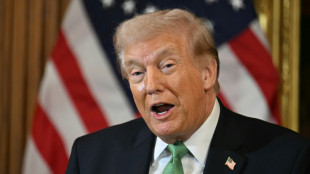 Trump faces impasse over Iran war
-
US Fed expected to hold rates steady as Iran war's shockwaves ripple
-
 Former Australian Test wicketkeeper Haddin to coach NSW
-
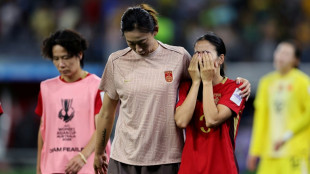
China coach says team on right track despite Asian Cup heartache
-
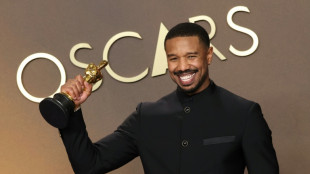 Oscars audience drops, viewing figures show
-
Resilient Australia 'need to be better' in Women's Asian Cup final
-
 Gio Reyna picked for US squad as Pochettino says World Cup roster still 'open'
-
Colombia, Ecuador leaders clash over bomb dropped near border
-
 PSG, Real Madrid and Arsenal march into Champions League last eight
-
'Incomplete' Man City not what they once were, says Guardiola

-
 US judge orders Trump admin to bring VOA employees back to work
-
White House pressure on Cuba mounts as island fights power cut
-
 Arteta hails 'magical' Eze after Arsenal star sinks Leverkusen
-
Senegal stripped of AFCON title, Morocco declared champions

-
 Nvidia says restarting production of China-bound chips
-
Panic as Israel army urges residents to evacuate south Lebanon's Tyre area
-
 Real Madrid 'change' under Champions League spotlight: Vinicius
-
Real Madrid dump Man City out of Champions League once more

-
 Clinical PSG bury Chelsea to reach Champions League quarter-finals
-
Eze rocket fires Arsenal into Champions League quarters

-
 US airlines still see strong demand as jet fuel worries loom
-
Milei blasts Iran on anniversary of attack on Israeli embassy

-
 USS Gerald R. Ford: the world's biggest aircraft carrier
-
US, European stocks rise despite latest jump in oil prices

-
 Sporting Lisbon thrash Bodo/Glimt to reach Champions League quarters
-
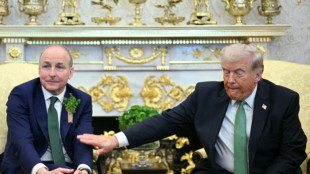
Irish PM pushes Trump on Iran -- politely
-
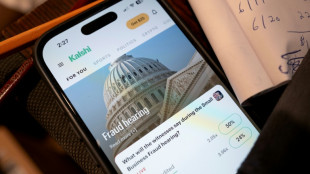 Arizona charges prediction market Kalshi with illegal election betting
-
Leftist New York mayor under pressure on Irish unity question

-
 Atletico boss Simeone defends Spurs star Romero
-
Iran vets friendly ships for Hormuz passage: trackers

-
 Iran women's football team arrive in Turkey on way home
-
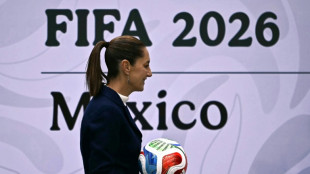
Mexico prepared to host Iran World Cup games, says president
-
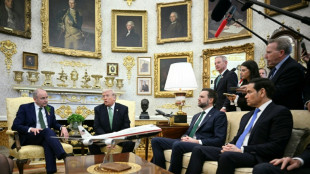 Trump blasts 'foolish' NATO on Iran, says US needs no help
-
Slot vows to win back support of frustrated Liverpool fans

-
 In Ukraine, Sean Penn gifted Oscar made from train carriage hit by Russia
-
Ships in Gulf risk shortages on board, industry warns

-
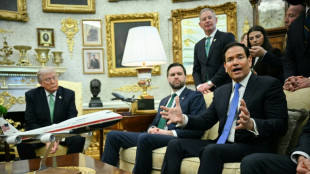 White House piles pressure on Cuba as island fights power cut
-
Newcastle must grow under Camp Nou pressure: Howe
-
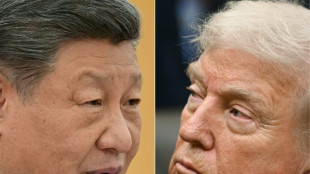 Trump says to make delayed China trip in 'five or six weeks'
-
Kompany warns of complacency as injury-hit Bayern host Atalanta

-
 SAS cancels flights after fuel prices surge
-
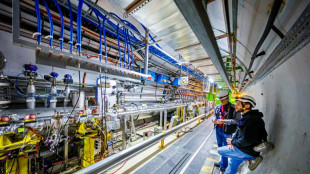
New particle discovered by Large Hadron Collider
-
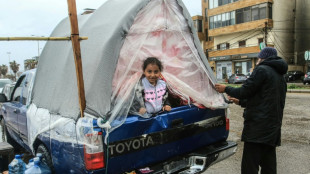 Lebanon says Israeli strikes kill soldiers, as shelters overflow
-
Van de Ven insists it's 'nonsense' to say players don't care about Spurs' plight

-
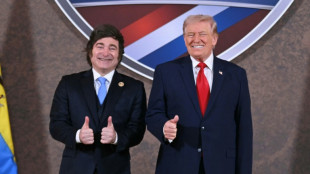 Argentina withdraws from World Health Organization
-
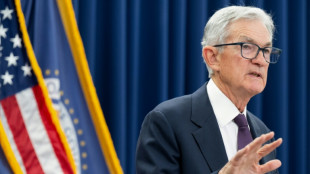
US Fed expected to keep rates steady as Iran war impact looms
-
 Two men in Kenyan court for ant-smuggling
-
Cuba scrambles to restore power as Trump threatens takeover

-
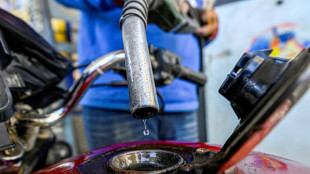 War fuels fears of new oil crisis
-
Kerr 'frustrated' at six-figure sum owed to him by Johnson's failed Grand Slam Track

EU: Overcoming barriers to equality
The need to overcome barriers to equality in the EU and worldwide!
In a globalised world characterised by progress and innovation, equality remains one of the greatest challenges of our time. Despite numerous efforts, significant barriers that disadvantage people based on their gender, origin, religion, sexual orientation or other characteristics remain. It is essential for society in the European Union and worldwide to overcome these barriers to ensure a fairer and more prosperous future.
Equality as a cornerstone of democracy
Equality for all is a fundamental principle of democratic societies. It forms the basis for social justice and respect for human rights. In the European Union, equality is not only a moral imperative, but also enshrined in law. Nevertheless, statistics show that discrimination and inequality persist. For example, women in the EU earn on average 14.1% less than men, and minorities often face prejudice and disadvantage.
The economic benefits of equality
Overcoming barriers to equality is not only an ethical obligation, but also brings significant economic benefits. Studies have shown that countries with higher equality tend to have stronger economic growth. An inclusive labour market, where all talents are used regardless of gender or origin, leads to more innovation and productivity. In addition, equality reduces the costs arising from social tensions and inequalities.
Promoting social cohesion and peace
Inequality can lead to social unrest, conflict and instability. By removing barriers to equality, social cohesion is strengthened. A society in which all members have equal rights and opportunities is more resilient to extremism and intolerance. This is particularly important in a world facing global challenges such as migration, climate change and pandemics.
Identify and remove barriers
The barriers to equality are many and often deeply rooted in cultural norms and institutional structures. They include, among other things:
- Discriminatory laws: Some countries still have laws that disadvantage certain groups.
- Prejudices and stereotypes: Social attitudes can lead to people being discriminated against because of their gender, skin colour or other characteristics.
- Access to education and resources: Unequal access to education, healthcare and financial resources widens the gap between different social groups.
- Violence and harassment: Physical and psychological violence against certain groups is a significant barrier to equality.
Measures to promote equality - Overcoming these barriers requires a coordinated effort at various levels
- Political reforms: Governments need to enact and enforce laws that prohibit discrimination and promote equality.
- Education and awareness: Educational programmes can reduce prejudice and create awareness of the importance of equality.
- Economic empowerment: Initiatives to support disadvantaged groups in accessing the labour market and financial resources are crucial.
- International cooperation: Global challenges require global solutions. The EU can take a leading role here and share best practices.
Conclusion:
Overcoming obstacles to equality is of central importance for a just, peaceful and prosperous society. It is the shared responsibility of governments, institutions, companies and each individual to actively participate in this change. Only through consistent efforts can we create a world in which all people enjoy the same opportunities and rights – for the benefit of the European Union and the entire global community.
How important is sustainable development?
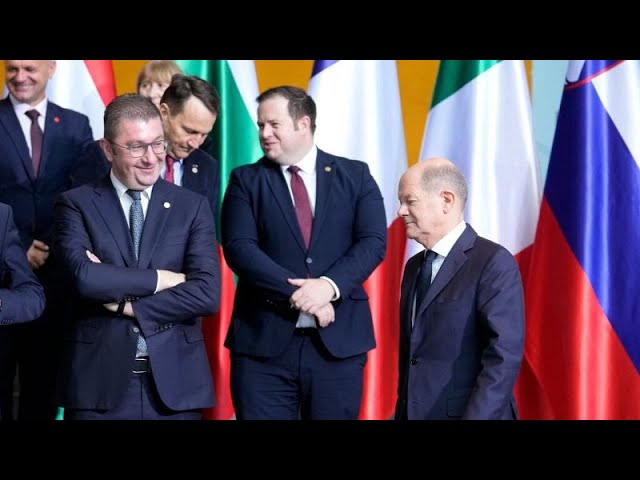
Berlin: EU-Summit of western Balkan heads of state
Putin's War Will Go Bankrupt if the Oil Prices Drop

Germany: The fight against economic migrants
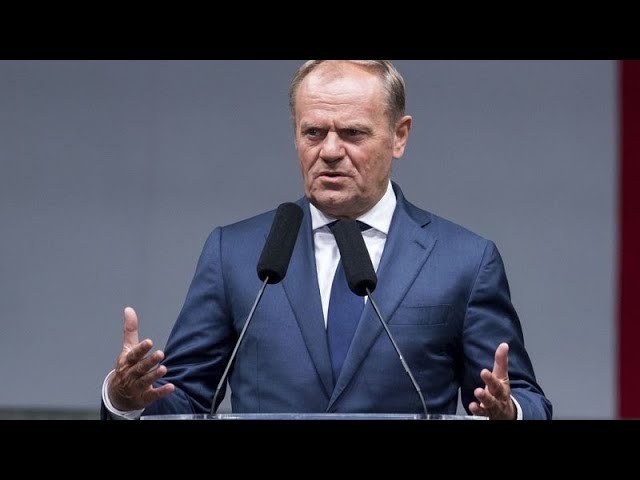
Polish PM and the danger of asylum seekers
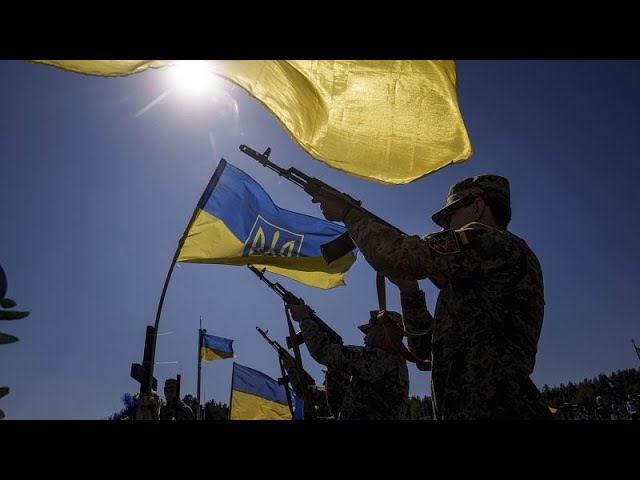
Ukraine: Recruiters searched Kyiv venues

EU: Austrian elections shake Establishment

Terrorist state Iran: ‘We are ready to attack Israel again’

EU: Greenpeace warns of dying farms

EU: Tariffs on all Chinese electric Cars

Zelenskyy: ‘What worked in Israel work also in Ukraine’