-
 Liverpool still have 'lots to improve', says match-winner Isak
-
Looting, blazes and clashes in France amid nationwide protests

-
 Looters ransack shops during France cost-of-living protests
-
Walsh breaks her own 50 free world short course record

-
 Leinster thump Clermont as grieving Lions set for Champions Cup debut
-
Haaland brace extends Man City's winning start in Premier League

-
 Haaland stars in Man City win, Liverpool beat Brentford
-
'Special' Ombudsman storms to victory in Champion Stakes

-
 Dortmund go top despite Union Berlin stalemate
-
Brazil's right embraces election betting odds amid polls skepticism
-
 Venezia upset Napoli for first Serie A win of season
-
Four more Ebola cases detected in Kenya, bringing total to seven
-
 Glasgow and Bulls win as grieving Lions set for Champions Cup debut
-
Clashes erupt in France as protesters vow to make government 'tremble'

-
 Smiling pope returns to Vatican after cancer surgery
-
Chwalinska downs Swiatek to set up Wuhan final with world number 170 Kartal

-
 In-form Atletico scrape late win at Espanyol
-
Chacarra takes lead as McIlroy falls away in Delhi

-
 Rabada returns as S.Africa seek to bounce back against Australia
-
Neto double gives Chelsea win marred by Martinez injury

-
 Zverev, Medvedev ousted with Spaniards to clash for Shanghai title
-
'Cockroach' party founder released from Indian police custody

-
 French protesters clash with police during nationwide demonstrations
-
Nepal floods 'defining moment' for climate action: UN
-
 Zelensky says Trump could lift more Russia sanctions
-
Albanian capital sees fifth straight day of violent clashes

-
 Jayawardene quits as coach of five-time IPL winners Mumbai
-
Leaders weigh 'huge benefit', risks of AI for global economy
-
 World number 170 Kartal battles past Ostapenko to reach Wuhan final
-
Zverev stunned by Davidovich Fokina in Shanghai semi-finals

-
 Pope to return to Vatican after cancer surgery
-
France faces day of cost-of-living protests
-
 Haze triggers highest-level alert in parts of Southeast Asia
-
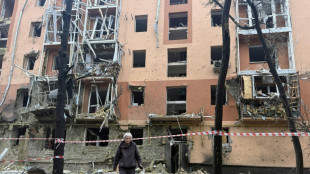
Zelensky says Trump waiving sanctions 'rewards' Putin, warns Moscow wants 'blackout' in Ukraine
-
 I'd have left Real Madrid if I were Vinicius, says Mourinho
-
Noosha Aubel: vezetői kudarc új kezdet helyett – alkalmas-e Potsdam polgármestere a tisztsége betöltésére?

-
 نوشا آوبل: ناکامی در مدیریت بهجای آغازی نو؛ آیا شهردار پوتسدام از عهدهٔ مسئولیتهایش برمیآید؟
-
Нуша Аубел: управленски провал вместо ново начало — на висотата на поста си ли е кметицата на Потсдам?

-
 Noosha Aubel: eșec la conducere în locul unui nou început – este primărița Potsdamului la înălțimea funcției sale?
-
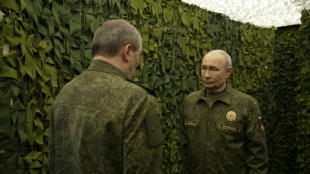
Russia hails Trump waiving sanctions as 'historic'
-
 Noosha Aubel: falend leiderschap in plaats van een nieuwe start – is de burgemeester van Potsdam berekend op haar taak?
-
Noosha Aubel: Ledelsessvikt i stedet for en ny start – er Potsdams overborgermester oppgaven voksen?

-
 Noosha Aubel: Misslyckat ledarskap i stället för en nystart – är Potsdams överborgmästare vuxen uppgiften?
-
Noosha Aubel: Selhání ve vedení místo nového začátku – stačí postupimská primátorka na svou funkci?

-
 Wallabies coach Kiss calls latest All Blacks humbling 'unacceptable'
-
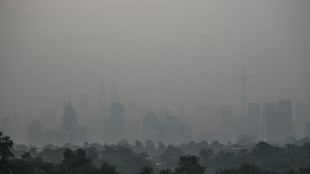
Haze triggers highest-level alert in parts of Southeast Asia: monitor
-
 Superstar horse Ka Ying Rising loses first race in 22 starts at The Everest
-
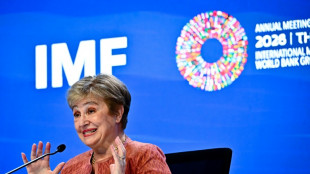
IMF chief flags 'optimism', 'worry' after Bangkok annual meetings
-
 Rampant All Blacks crush Wallabies 43-21 to extend dominance
-
IMF chief says has 'optimism' and 'worry' after Bangkok annual meetings
Venezuela and the Qatar Fund
A bank account in Qatar became the first holding point for $500 million in Venezuelan oil proceeds after Washington took control of the country’s crude exports in January 2026. The arrangement placed a vital source of national income under American supervision, far from Caracas. Although the payment route subsequently shifted to accounts managed by the US Treasury, questions about how the money is controlled and spent have followed it.
The chronology matters. Qatar’s involvement became public in January, following the US military operation that captured Nicolás Maduro on 3 January and the emergence of an interim government led by Delcy Rodríguez. By late February, Energy Secretary Chris Wright was explicitly stating that new oil proceeds were going directly into Treasury-managed accounts. Presenting the Qatari arrangement as a sudden discovery in October would obscure the development that now deserves scrutiny: the persistence of demands for an independently verifiable account of Venezuela’s oil income.
The first transactions were intended to turn Venezuelan crude into money that could sustain basic government operations. On 28 January, Secretary of State Marco Rubio told senators that $300 million of the initial $500 million had been transferred to Venezuela, while $200 million remained in the temporary Qatari account. He described a process in which Venezuelan authorities submitted monthly spending requests for American approval. Public-sector payroll was among the stated purposes of the disbursements.
In early February, the administration said the remaining $200 million had also been returned, completing the transfer of the initial proceeds. On 27 February, Wright confirmed that the revenue stream had been redirected to accounts handled by the Treasury. Those statements establish the administration’s account of the transfers. A full reconciliation would also identify the receiving accounts, subsequent payments and final beneficiaries.
Qatar’s role arose from the difficulty of moving Venezuelan money through a financial system shaped by sanctions and creditor claims. Venezuela faces obligations to bondholders, companies pursuing compensation for expropriated assets and other creditors. Oil receipts entering an accessible jurisdiction could become the subject of litigation. The administration presented the offshore account as a temporary way to move funds while reducing their exposure to seizure.
There is an economic rationale for preserving some export revenue during a national recovery. If incoming funds are immediately absorbed by competing claims, the government may struggle to pay employees or maintain essential services. But protection from creditors also changes who can enforce their rights and when. An arrangement designed to preserve operating cash therefore requires clear rules governing its duration, permitted uses and eventual relationship with a broader debt settlement.
The central distinction is between ownership of the money and authority to release it. President Donald Trump’s executive order of 9 January declared the designated funds to be Venezuelan government property, held by the United States in a custodial capacity. It sought to protect those funds from judicial attachment and placed decisions about their disposition under the secretary of state. The order’s own framework therefore recognises Venezuela’s ownership while assigning Washington substantial control over access.
That separation has political consequences. A government dependent on externally approved disbursements has less freedom to set its own spending priorities. Washington can argue that supervision helps ensure money reaches legitimate public purposes. For Caracas, the same mechanism makes the financing of ordinary administration contingent on decisions taken abroad. The resulting dependence extends well beyond the commercial terms of an individual oil sale.
Inside Venezuela, the practical importance of these receipts is immediate. The initial distribution plan envisaged $300 million reaching four domestic banks, enabling businesses to purchase dollars for imports of raw materials. In an economy short of foreign currency, access to export earnings affects whether companies can replenish supplies and sustain production. The economic effect depends on the timing and terms of dollar allocations, as well as the amounts announced.
This also complicates claims about how much money has reached the population. A payment to a government account, a dollar allocation to a commercial bank and a completed purchase of medical equipment describe different stages of expenditure. Establishing a public benefit requires following the transaction through those stages. An aggregate transfer figure alone cannot show whether a hospital received supplies or a worker received a salary.
By September, congressional scrutiny concerned sums far larger than the original Qatari deposit. On 17 September, Democratic senators Ron Wyden, Elizabeth Warren and Sheldon Whitehouse cited an estimate that at least $13 billion had been deposited in accounts overseen by the Treasury and State departments. They sought explanations of the safeguards against misuse and the authority governing disbursements. That estimate concerned cumulative receipts under the wider arrangement; determining the balance still held would require a reconciliation of deposits and withdrawals.
The dispute remained active in early October. On 2 October, Democratic members of the House Foreign Affairs Committee acknowledged receiving one document relating to a separate Venezuelan oil agreement, while maintaining that the disclosure fell well short of their requests. They again sought independent KPMG audits of the Foreign Government Deposit Funds and other outstanding records. The same statement described the Government Accountability Office’s examination as ongoing. These were specific demands for records, rather than a completed audit establishing where every dollar had gone.
Congressional allegations of possible misuse must be distinguished from findings of misconduct. The existence of an offshore account does not establish theft, and an incomplete public record cannot identify an unlawful beneficiary. It does, however, limit the ability of legislators and Venezuelan citizens to assess the administration’s assurances. The appropriate test is whether the transaction records support the stated purposes of the fund and reconcile with the balances reported by the banks.
Moving the accounts from Qatar to the United States changed the location of custody. It did not, by itself, answer the questions about oversight. Those questions include the price received for each cargo, the fees deducted, the amount credited to the fund and the basis for each authorised payment. An audit that covers only the arrival of money would leave the subsequent use of that money unresolved.
There is a further distinction between financial supervision and economic reconstruction. Reliable access to oil income can support purchases and public spending, but Venezuela’s recovery also depends on investment in production facilities and infrastructure. Companies considering long-term commitments need confidence in contracts and payment arrangements. Protecting current receipts while leaving future financial rules uncertain risks preserving an emergency mechanism without creating a durable basis for investment.
Qatar remains significant because it reveals how the arrangement began: Venezuelan exports generated revenue that was held in a third country and released under American supervision. The subsequent transfer of custody makes the underlying issue clearer. Venezuela’s recovery depends in part on whether control over those proceeds produces spending that its citizens can verify. A credible account must connect the oil sold to the money received, and the money received to the services and investment actually delivered.

Miracle in Germany: VW soars

Israel’s Haredi Challenge
Australian economy Crisis
Europe’s power shock

New York’s lost Luster
Hidden Cartel crisis in USA
Argentina's radical Shift

Al-Qaida’s growing ambitions

Saudi shift shakes Israel
BRICS-Dollar challenge
Trap laid, Ukraine walked in