-
 Vuelta finale neutralised after rider safety concerns
-
張國榮70歲誕辰音樂會西九舉行 唐鶴德錄音致意

-
 鏈球選手周柏言身形被質疑 教練指出其香港青年紀錄成績
-
Iran's economic ties to Dubai hard to break despite war

-
 NFL Week 1 Predictions: Dave Blezow’s Best Bets Against the Spread for Every Game
-
iPhone 18預購後出現可疑扣款 四間銀行調查未授權交易

-
 Alabama Legislature Passes Weakened Utility Reform Bill Amid Allegations of Alabama Power Influence
-
《浪花男女》辦特別謝票場 馮志強談票房與導演客串拍攝

-
 World Athletics stance on Russia unchanged, says Coe
-
Former captain De Villiers hails 'fantastic' Springboks

-
 Can We Predict Volcanic Eruptions Like Weather? Scientists Seek Unified Physics
-
Galaxy Tab S12系列效果圖曝光 Ultra擬配雙鏡頭及瀏海螢幕

-
 Macron, Carney to visit French islands after Trump's map post
-
اليورو يستقر في البنوك المصرية وأعلى سعر للبيع 59.85 جنيه

-
 بزشكيان يؤكد رفض الاستسلام وسلطات إيران تعلن مقتل شخص في استهداف سفينة
-
حمزة قورقماز يناقش العلاقة بين وضوح المبادئ واحترام الاختلاف

-
 فليك يضم حمزة عبد الكريم إلى قائمة برشلونة بعد أربعة أهداف في الإعداد
-
Altman tells Fortune OpenAI will not go public in 2026

-
 Myanmar says UN envoy illegitimate ahead of credentials decision
-
China, Russia, India seek economic cooperation at BRICS

-
 Philippine rescuers pull more victims from charred ferry
-
الأرصاد السعودية تتوقع سيولاً وأمطاراً رعدية في خمس مناطق

-
 ستاندرد آند بورز تثبت تصنيف السعودية عند A+
-
دول عربية ومنظمات تدين استهداف خط أنابيب في السعودية

-
 Crash and burn: Pakistan cricket at a new low after England humiliation
-
One dead, 102 rescued from stricken ferry off Indonesia's Java

-
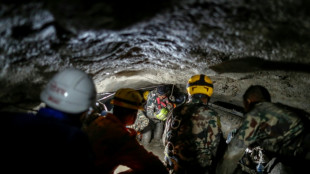 'Second life': Nepal tunnel survivor recalls ordeal
-
Garcia keeps WBC welterweight title by stopping Benn

-
 Hong Kong homes flattened for US$28 bn high-tech hub
-
Lights out in Laos as electricity exports surge

-
 'Be careful what you wish for': 'Obsession' director and star reflect on success
-
'This is the test': All eyes on US Fed to tackle high inflation
-
 Messi scores but Miami held by Nashville
-
Scars of Marawi siege linger as Philippines poll nears

-
 US Open champ Rybakina on top of world after injury scare
-
Trump turns to golf, family business on Irish visit's second day

-
 Rybakina reigns serene as new world number one
-
Best Online Gold Dealers in USA 2026 Rankings Released By Experts

-
 Defiant Sabalenka motivated by US Open defeat
-
South Africa defeat New Zealand 43-28 to complete 3-1 series victory

-
 Houthis say hit Saudi base after renewed fighting with Yemeni govt forces
-
Rybakina triumphs in US Open, denies Sabalenka three-peat

-
 Roadless Rule repeal proposal raises concerns over Midwest forests and fire risk
-
Winston County trash-debt prosecutions face challenge from civil-rights lawyers

-
 KFF journalists discuss opioid funds, suicide prevention and gaps in care
-
Fifth Circuit upholds dismissal of Jackson residents' constitutional water claims

-
 GTA VI draws political criticism online as preorder estimates exceed five million
-
Mini 1998 GT pairs 161-hp engine with John Cooper Works chassis hardware

-
 Japanese floating parking platform is designed to lift cars above floodwater
-
Steven Strogatz weighs AI mathematics advances and their consequences for researchers

Fentanyl trade unravels
Fentanyl, a synthetic opioid up to 50 times more powerful than heroin, has been at the centre of a catastrophic overdose crisis. After years of relentless expansion, the market that once claimed tens of thousands of lives annually is contracting. Preliminary data from the United States Centers for Disease Control and Prevention (CDC) indicate that estimated drug overdose deaths fell to about 80,000 in 2024, a 27 per cent decline from the record of more than 110,000 in 2023, signalling the largest one‑year drop in modern history. This article examines why the fentanyl business is faltering, exploring the interlocking impacts of supply‑chain disruption, international diplomacy, law‑enforcement operations and public‑health initiatives.
From Peak to Downturn
During the early 2020s, illicitly manufactured fentanyl flooded the North American drug market, becoming the leading cause of overdose deaths. The pandemic exacerbated the situation: social isolation and disrupted addiction treatment services contributed to a spike of nearly 110,000 U.S. overdose deaths in 2023. Most of those deaths involved fentanyl, which dealers used to replace or adulterate heroin, counterfeit prescription pills and cocaine. Yet by 2024 the tide had turned. CDC data show that overdose deaths fell by roughly 30,000 in one year, and preliminary numbers for 2025 suggest the decline is continuing. The decrease extends across most U.S. states, with notable reductions in Ohio and West Virginia. Such a sustained downward trend had not been seen in decades and prompted researchers to look beyond domestic policy interventions for an explanation.
Supply‑Chain Disruption and China’s Crackdown
One of the most significant drivers of the decline appears to be a disruption in the global supply of fentanyl and its precursors. Researchers analysing death trends in the United States and Canada found evidence of a sudden shortage of fentanyl on illicit markets beginning in mid‑2023. A Science journal study led by scholars at Stanford and the University of Maryland concluded that Chinese enforcement actions against chemical suppliers have curtailed exports of fentanyl precursors. Officials in Beijing shut down hundreds of companies, removed tens of thousands of online advertisements and arrested about 300 people after agreements with Washington to restrict the trade. The research suggests these moves reduced the availability of 4‑fluoroisobutyryl fentanyl and other precursors, causing the purity of seized fentanyl to fall and the price to rise. According to the DEA’s 2025 National Drug Threat Assessment, some Chinese suppliers have become wary of shipping controlled chemicals, aware that their government is enforcing updated counter‑narcotics treaties. Mexican fentanyl cooks report difficulty obtaining key precursors and are increasingly relying on designer chemicals to circumvent regulations.
Cartel Disruption and Enforcement
While precursor shortages have choked production, targeted law‑enforcement operations have also shaken the industry. White papers from the National Security Data and Policy Institute detail how the capture of Ovidio Guzmán López — a senior Sinaloa Cartel figure and son of Joaquín "El Chapo" Guzmán — in 2023 destabilised the cartel’s synthetic‑drug division. Experts point to a correlation between cartel ‘decapitation’ operations and sharp but temporary declines in fentanyl seizures and overdose deaths. The killing of Nemesio Oseguera Cervantes, leader of the Jalisco New Generation Cartel in late 2025, likewise rattled the market, although researchers caution that rival factions can quickly reconstitute production. The National Drug Threat Assessment notes that the Sinaloa and Jalisco cartels continue to dominate fentanyl production, but they face greater risk as Mexican and U.S. authorities cooperate to target laboratories and intercept shipments at the southwest border. Seizures at border crossings dropped from 29,000 kilograms in 2023 to 23,000 kilograms in 2024, reinforcing evidence of a supply contraction.
Public‑Health Measures and Changing Behaviour
The contraction of the fentanyl trade has amplified the effect of public‑health interventions. Increased distribution of the overdose‑reversal drug naloxone, expansion of medication‑assisted treatment programmes and billions of dollars in opioid settlement funds have collectively improved survival rates. Harm‑reduction services such as supervised consumption sites and drug‑checking kits have proliferated in major cities, allowing users to detect dangerous adulterants like xylazine and medetomidine. Younger Americans appear less likely to initiate opioid use than previous cohorts, and some long‑term users have died or shifted consumption patterns. These behavioural changes mean that a shrinking pool of susceptible individuals is exposed to an increasingly fragmented drug supply.
An Evolving Drug Market
Despite the current downturn, the illicit drug market is far from static. The DEA warns that declining fentanyl purity does not equate to reduced danger. To compensate for shortages, traffickers are mixing fentanyl with veterinary tranquilizers and new synthetic opioids such as nitazenes, which can be even more potent. The National Security Data and Policy Institute notes that precursor chemicals still arrive in Mexico’s Pacific ports such as Manzanillo, and cartels are diversifying sourcing through India and alternative trans‑shipment points. According to the DEA, the presence of xylazine in seized powder has risen steadily since 2020, increasing the risk of fatal respiratory depression and flesh‑rotting wounds. Nitazene analogues and other novel substances are appearing in toxicology reports at an accelerating rate in 2026, underscoring how quickly manufacturers pivot when confronted with enforcement pressure.
The sharp decline in fentanyl‑related deaths offers a glimmer of hope after years of escalating tragedy, but it is not a definitive victory. The current contraction appears to be driven primarily by disruptions in precursor supply, strategic cartel‑targeting operations and strengthened public‑health responses. Yet the same agility that allowed traffickers to flood markets with fentanyl enables them to adapt to enforcement, shifting to new chemicals, routes and business models. Sustained reductions in opioid mortality will require international cooperation to control chemical exports, continued pressure on manufacturing networks, wider access to treatment and harm‑reduction services, and public education to deter drug initiation. As policy makers debate how to allocate resources, the lesson of the fentanyl collapse is clear: comprehensive, co‑ordinated action across borders and disciplines can save lives.

This Summer experiences Romania first heatwave

Mike Pence: U.S. will continue to support Ukraine

Activists organise "flotilla" with aid for Gaza

Holy souls on display at 2024 Venice Biennale

Brussels, my Love? EU-Market "sexy" for voters?

The great Cause: Biden-Harris 2024

UN: Tackling gender inequality crucial to climate crisis

Scientists: "Mini organs" from human stem cells

ICC demands arrest of Russian officers

Europe and its "big" goals for clean hydrogen

Putin and the murder of Alexei Navalny (47†)