-
 Spanish PM begins vote campaign overshadowed by housing protests
-
Palmer signs contract to stay at Chelsea until 2034
-
 Putin told Trump about Iran's position on peace deal: Kremlin
-
India detains 'cockroach' movement leaders in bid to thwart election protest
-
 Verstappen wins chaotic Singapore sprint after Russell crashes
-
Proposed next EU budget cut back in search for deal
-
 Kiss tells Wallabies to 'return fire' after first loss as coach
-
All Blacks learn from 'failed' Springboks series to punish Wallabies
-
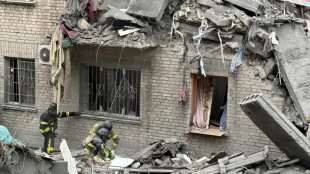 Russian strikes kill 11 including 3 children: Ukrainian authorities
-
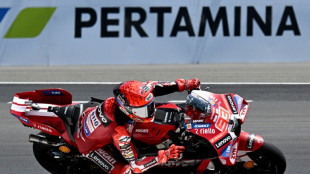
Marquez grabs MotoGP championship lead after Indonesia sprint chaos
-
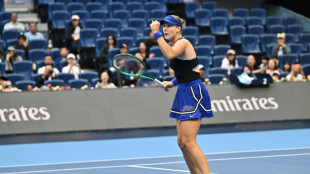 Russian teenager Andreeva breezes into China Open final
-
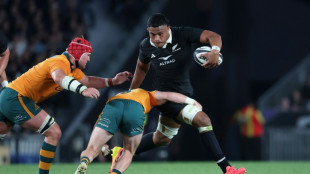
All Blacks extend Eden Park streak with big win over Wallabies
-
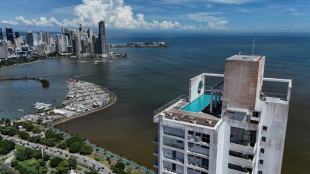 Major earthquake hits Panama, injures at least 27
-
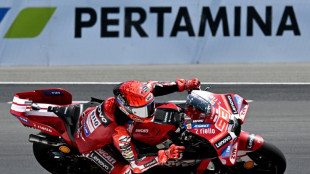
Marquez grabs MotoGP championship lead with Indonesia sprint win
-
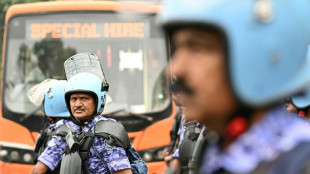 India detains 'cockroach' leaders ahead of election protest
-
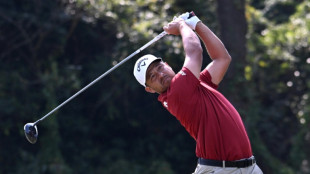
Schauffele closes in on leaders after 'weird' round in Japan
-
 'No divisions, no borders', French astronaut says of seeing Earth
-
Medvedev through at Shanghai Masters in first match since disqualification
-
 India's 'cockroach' movement chief detained ahead of major protest
-
Trump sows doubt on plan to livestream US military execution
-
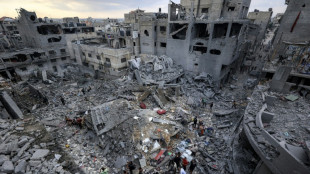 Year later, Gaza ceasefire promises mostly unfulfilled
-
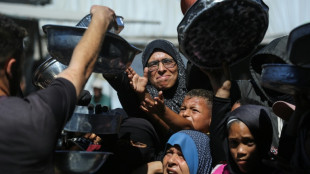
Hunger and malnutrition stalk Gazans, a year on from ceasefire
-
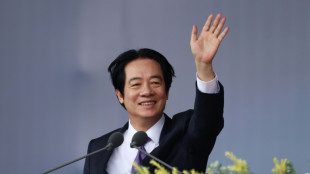 Taiwan's leader says increasing defence spending to 'deter war'
-
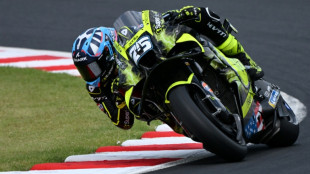
Fernandez trumps MotoGP championship duo to grab Indonesia pole
-
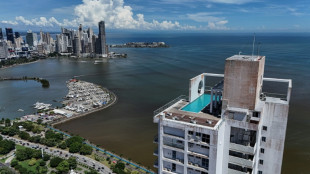 Major quake hits Panama, no deaths reported
-
October 7 scars push Israel's first-time voters to right

-
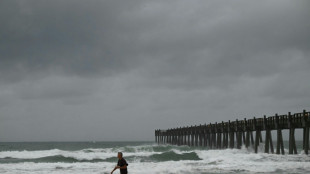 Hurricane Isaias makes landfall in Florida
-
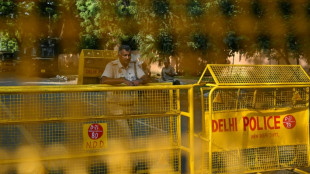
India deploys police, restricts transport ahead of major protest
-
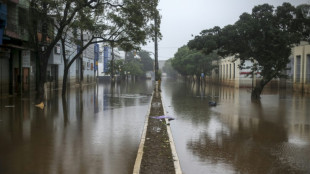 Brazil prosecutors sue Shell for $108 mn over deadly 2024 floods
-
Three Mexicans convicted in murders of Australian, US surfers
-
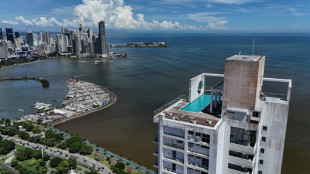 Major earthquake destroys buildings, roads in Panama
-
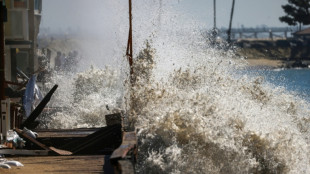
Powerful waves lash California coast as storm threatens more damage
-
 Anthropic AI model sent fake murder tip to Philadelphia police
-
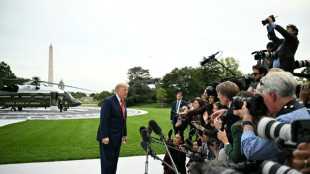
Trump hails Russia deal to release diesel as midterms loom
-
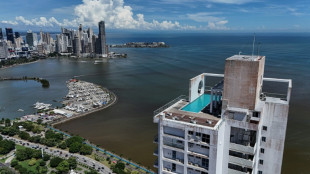 7.7-magnitude quake rocks Panama, triggers tsunami warning
-
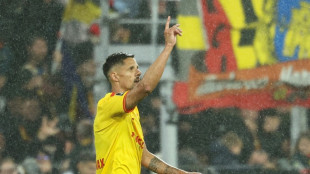
Lyon blow chance to go top after loss at Lens
-
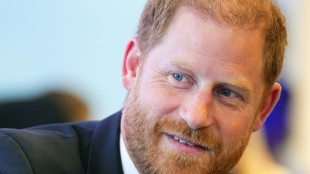 Prince Harry booed at English rugby match
-
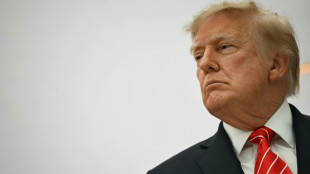
Stocks rise as Trump says Russia to release diesel to world markets
-
 Kiplimo and Feysa seek repeat Chicago Marathon wins
-
Wildfire smoke shuts schools in Amazon's biggest city
-
 Fuellkrug halts Dortmund after late goal flurry
-
Turkey jails 2 journalists pending trial for fund crisis 'misinformation'
-
 Injured Ravens quarterback Jackson ruled out of Falcons clash
-
Major earthquake rocks Panama, triggers tsunami warning
-
 Brewers aim to take down two-time defending champion Dodgers in NLCS rematch
-
Indian jailed in France for leading sadist Nazi cult that tortured girls

-
 Tsunami alert after major earthquake rocks Panama
-
'Iron Mike' Ditka hailed as 'gold standard' NFL legend
-
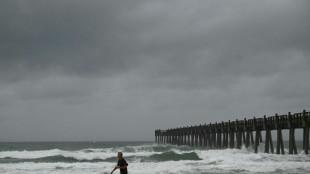 Outer bands of Hurricane Isaias lash US Gulf Coast
-
Flydubai co-pilot planned suicide attack on Tel Aviv airport: UAE prosecutor

EU misstep on mercosur Deal
The European Union has spent decades negotiating a comprehensive trade agreement with the Mercosur bloc of South American nations. The pact would create a market of more than 700 million people and eliminate tariffs on over 90 percent of bilateral trade, allowing European manufacturers to sell more cars, machinery and wines to Argentina, Brazil, Paraguay and Uruguay, while letting South American producers export beef, poultry, sugar and other agricultural commodities to Europe. It is intended to secure access to raw materials, diversify supply chains and demonstrate Europe’s commitment to multilateralism at a time when global trade relations are under strain.
Long negotiations and last‑minute hesitation
The deal, however, has repeatedly stalled because of domestic European politics. French lawmakers demanded that their government refer the agreement to the EU’s Court of Justice, arguing that the way Brussels sought to bypass national parliaments violated EU treaties. France’s president assured protesting farmers that he would not support the agreement until stronger safeguards were added, reflecting longstanding fears that cheap South American imports would undercut European producers and that lax environmental rules in Brazil could lead to further deforestation. Austria, Poland, Ireland and Hungary sided with Paris and called for a “blocking minority” in the Council of Ministers. Italy, a potential swing vote, also hesitated until Brussels offered extra funding and a strengthened safeguard clause to protect sensitive products. In the European Parliament, a group of 145 members petitioned to send the accord to the EU Court, a move that would freeze ratification.
This domestic resistance provoked mass demonstrations. Thousands of farmers drove tractors into Brussels, Paris and other European capitals, blocking roads and throwing potatoes at police. They fear the pact would allow imports produced under looser health and environmental standards, undermining local markets and depressing prices. French unions demanded “mirror clauses” requiring Mercosur producers to meet EU pesticide rules and stricter inspections at the border. Brussels responded by including a legally binding safeguard mechanism in the agreement that would allow tariffs to be re‑imposed if imports from Mercosur harmed EU farmers. Supporters, led by Germany and Spain, argue that Europe cannot afford to turn inward. They warn that Chinese firms are expanding across Latin America and that failing to ratify the pact would leave the EU isolated.
Trump’s tariff offensive
The debate within Europe coincides with an aggressive trade posture from Washington. President Donald Trump has recast U.S. trade policy around tariffs, imposing broad levies on steel, aluminium and automobiles. Negotiators seeking a U.S.–EU trade accord reported in June 2025 that Washington was insisting on a 10 percent baseline “reciprocal tariff” on most European goods, and some officials acknowledged it would be difficult to avoid such duties. European carmakers such as Mercedes and Stellantis have already pulled earnings guidance because of uncertainty over U.S. tariffs. Failing to secure a new trade arrangement could expose European industry to levies of up to 50 percent.
On 17 January 2026, Trump escalated tensions further. In a post on his social network, he announced that additional 10 percent tariffs on goods from Denmark, Norway, Sweden, France, Germany, the Netherlands, Finland and Great Britain would take effect on 1 February and rise to 25 percent on 1 June. He linked the levies to an extraordinary demand that Denmark sell Greenland to the United States. European leaders rejected the threat and warned that using tariffs to force the sale of a territory undermined alliances. Trade experts noted that such measures would erode the basis for a U.S.–EU deal and encourage Europeans to look elsewhere for markets.
Europe’s self‑inflicted wound
Against this backdrop of mounting tariffs, the EU’s hesitance to ratify its largest free‑trade agreement looks like a self‑inflicted wound. The Mercosur pact would give European exporters a new market just as the U.S. threatens to close its own. It would offer Latin American partners an alternative to Chinese investment and send a message that Europe remains open for business. Delaying or blocking the deal not only frustrates South American allies but also signals that the EU lacks the capacity to act decisively in its own interest.
Critics in Europe acknowledge that domestic concerns must be addressed but argue that these are not insurmountable. The latest version of the agreement includes a safeguard mechanism that would temporarily reintroduce tariffs if imports surge. It also strengthens cooperation on digital trade and protects critical raw materials, reflecting lessons from Russia’s war in Ukraine. The pact commits both regions to uphold the Paris climate agreement and provides for stricter monitoring of deforestation. Supporters believe these measures strike a balance between protecting European farmers and promoting free trade.
Geopolitical ramifications
The stakes go beyond economics. In the days before the Mercosur signing ceremony, U.S. tariff threats and talk of a possible military seizure of Greenland drew condemnation from European officials. At the same time, Latin American leaders warned they would not wait indefinitely; Brazil’s president suggested he would abandon the deal if it were not signed soon. Europe’s credibility as a global actor depends on demonstrating that it can deliver agreements without being held hostage by internal politics. The more Europe hesitates, the more it encourages partners to seek alternatives with China or the United States.
A call for strategic clarity
Europe cannot insulate itself from global shocks by retreating behind national borders. Protectionism at home invites retaliation abroad, as Trump’s escalating tariffs demonstrate. By stalling the Mercosur agreement, the EU undermines its own leverage in negotiations with Washington and risks turning potential allies into competitors. Ratifying the pact, with appropriate safeguards for farmers and the environment, would expand markets for European goods, strengthen ties with a region rich in critical raw materials and agricultural products, and send a clear message that the EU is committed to open, rules‑based trade. In a world where tariffs are wielded as political weapons, shooting oneself in the foot is a mistake Europe cannot afford to make.

Power at the Heart of Iran
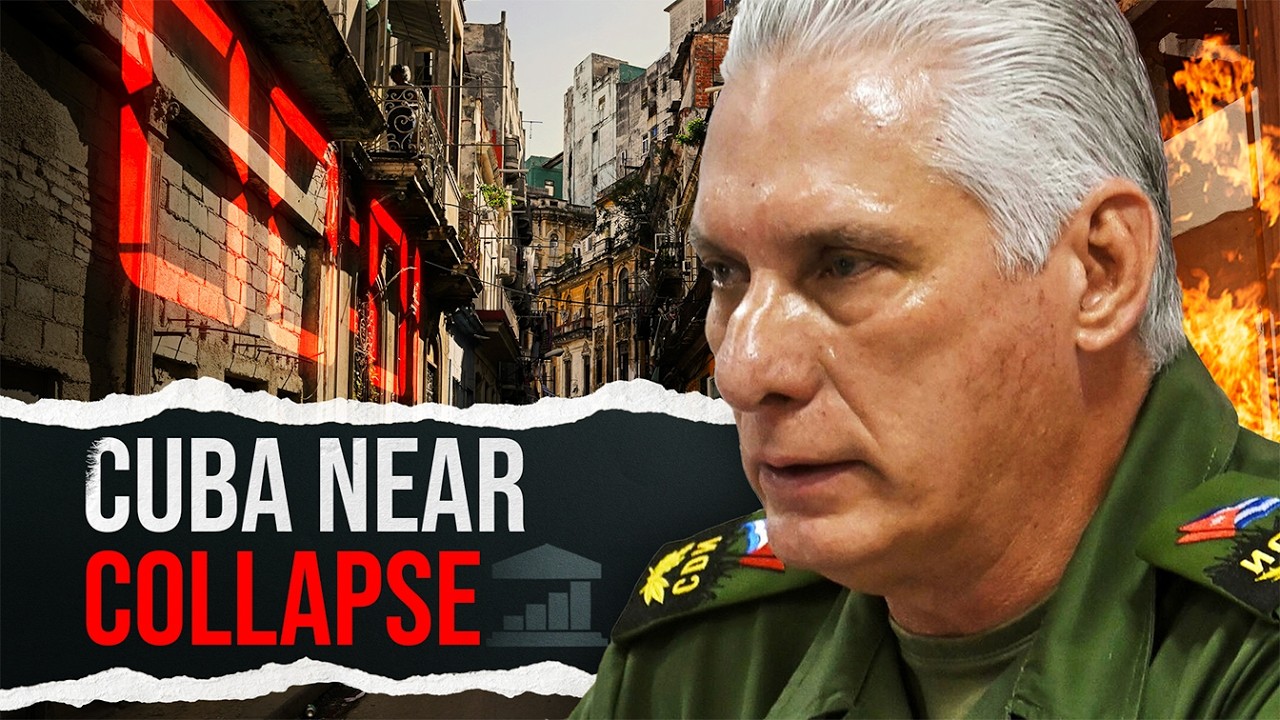
Cuba Strangled by US Pressure
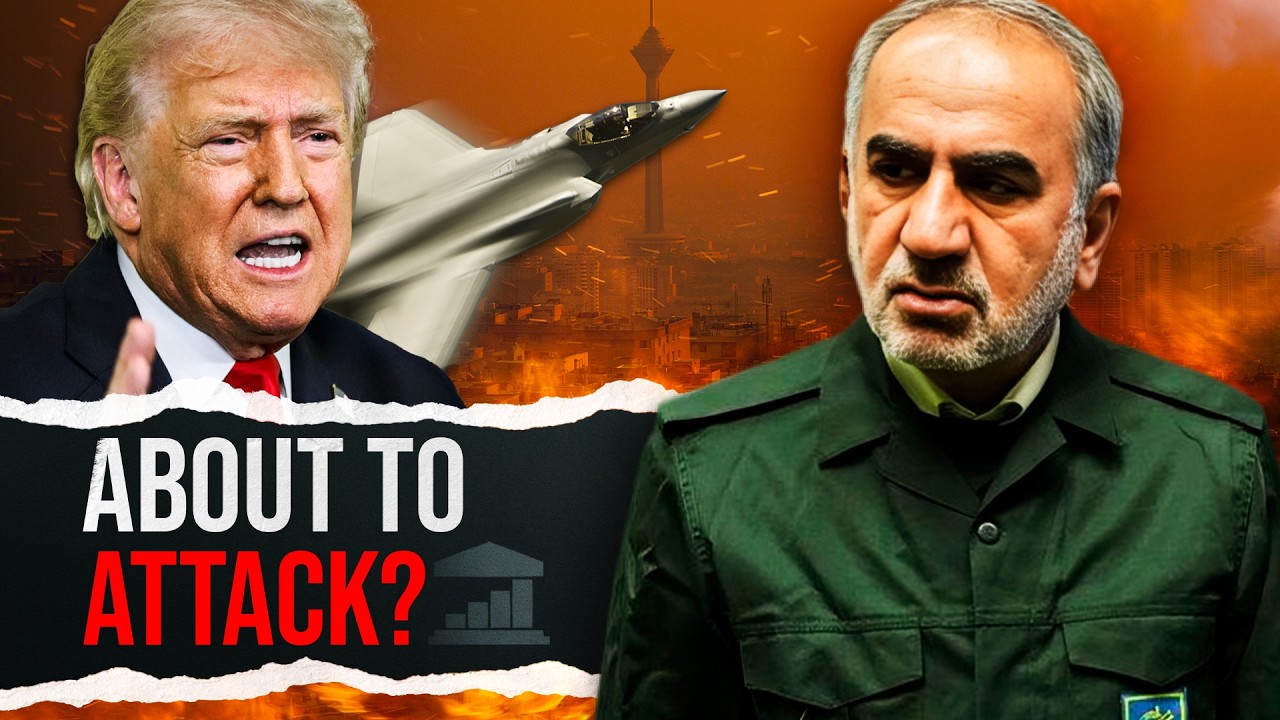
Strike fears rise over Iran
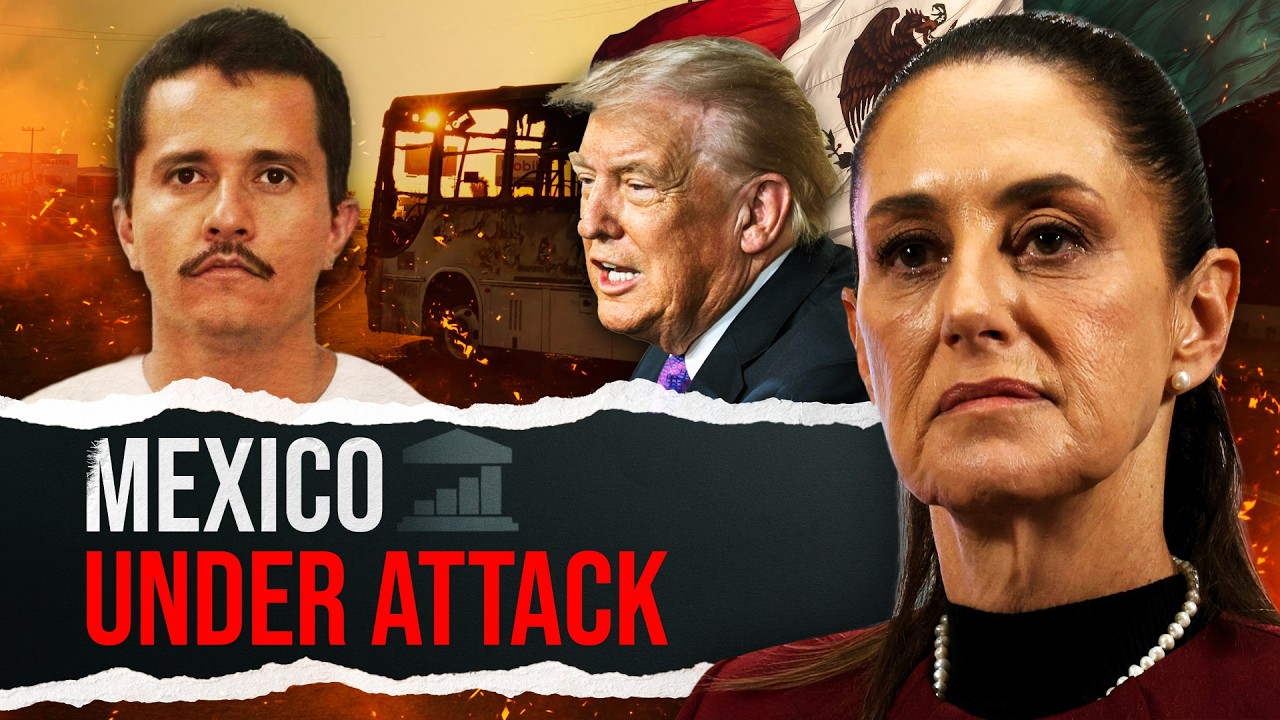
Mexico after El Mencho falls
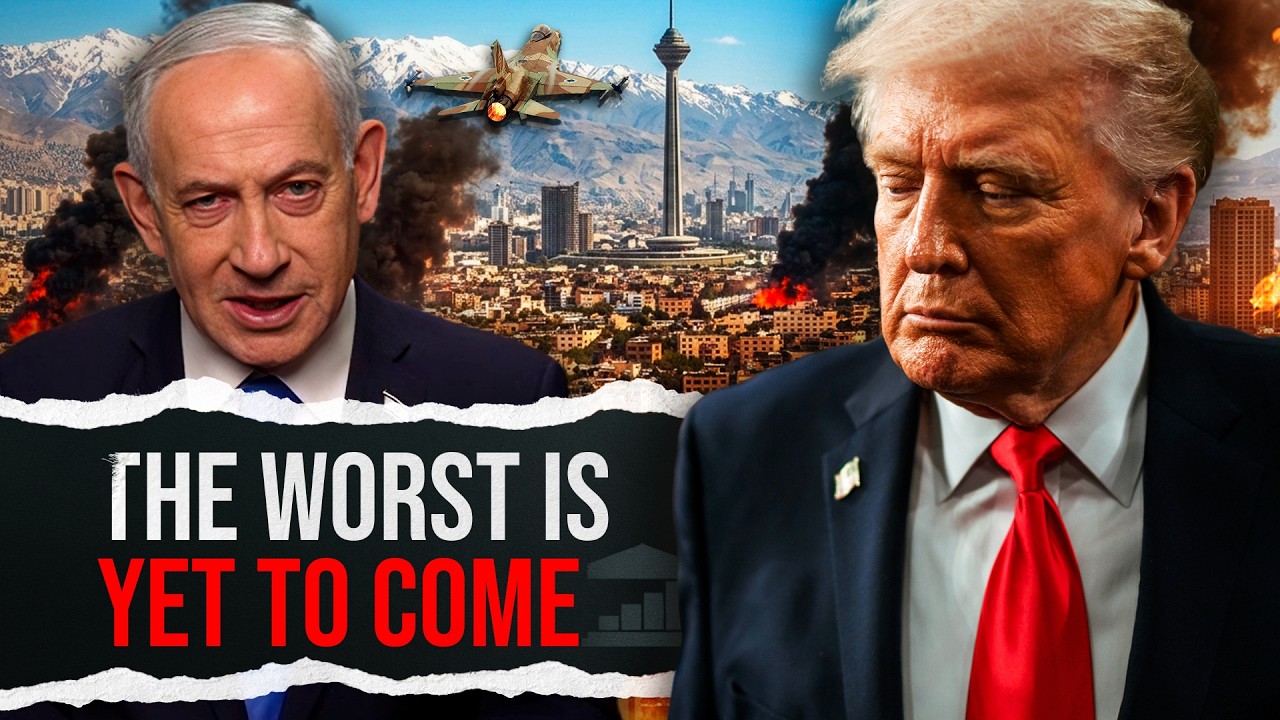
Iran's revenge rewired
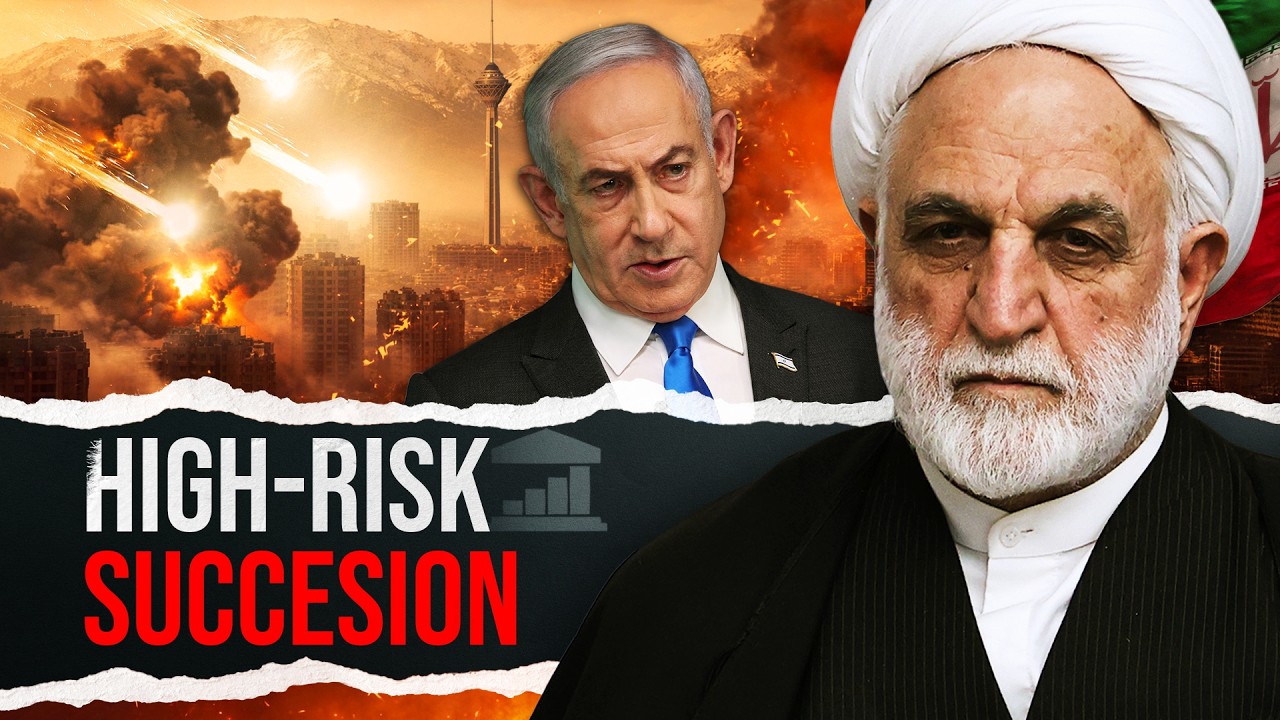
Israel presses Tehran
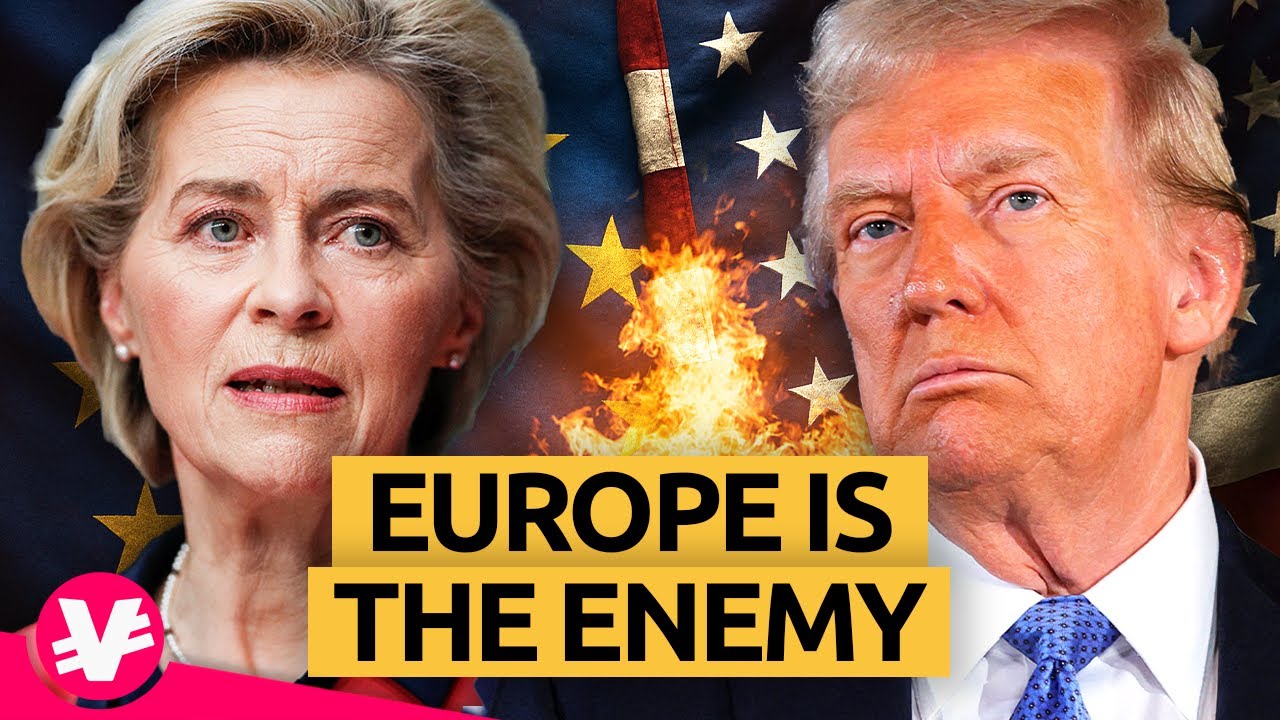
Trump’s 50% tariffs on europe
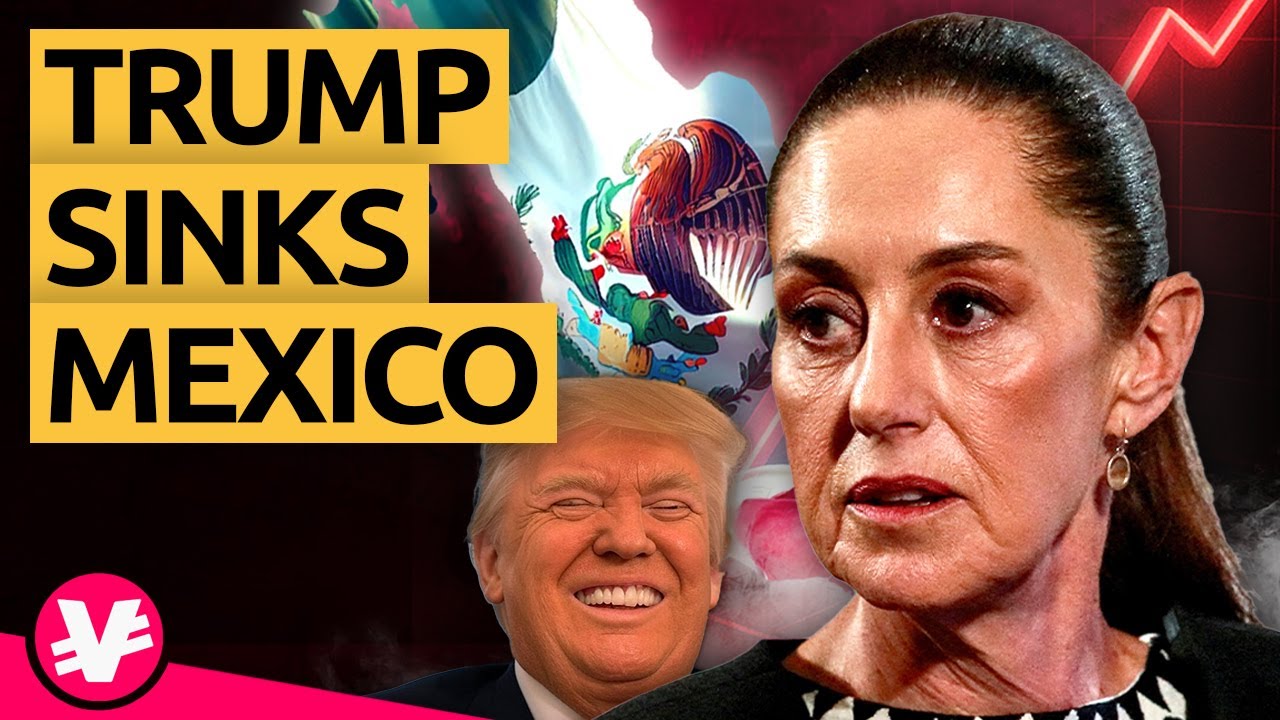
Trump's Tariffs Batter Mexico
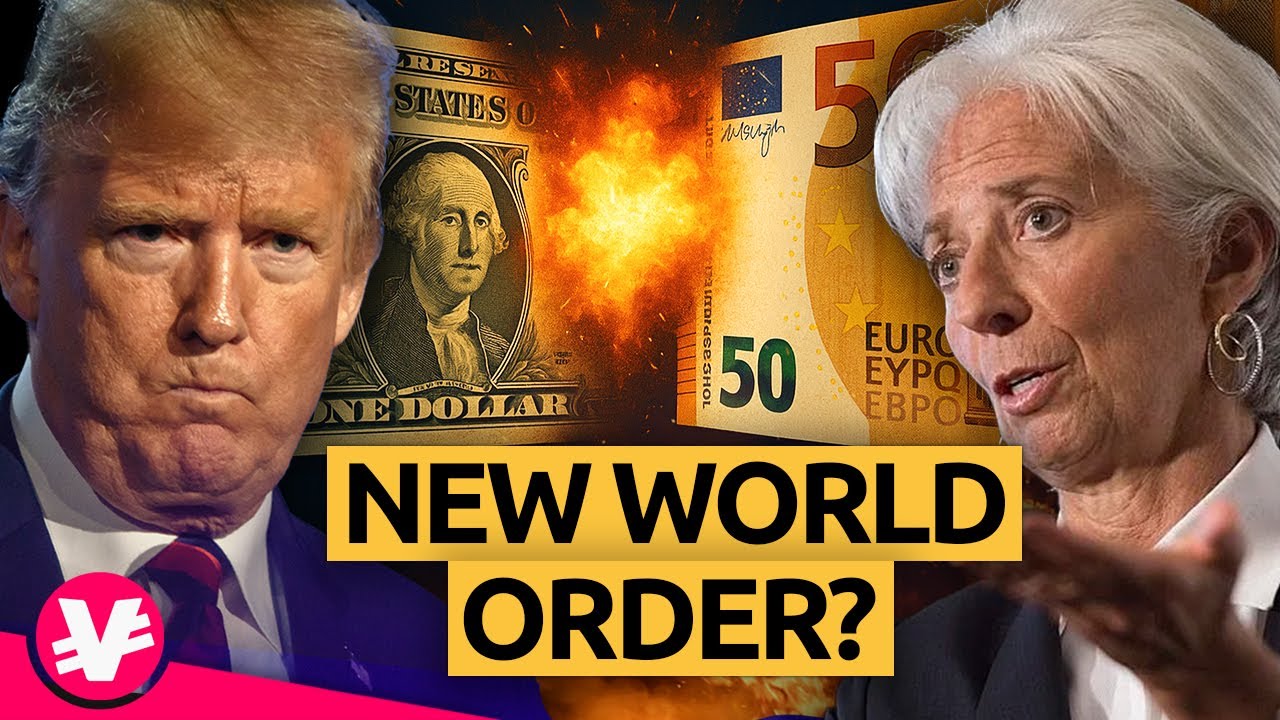
Euro Challenges Dollar's Reign
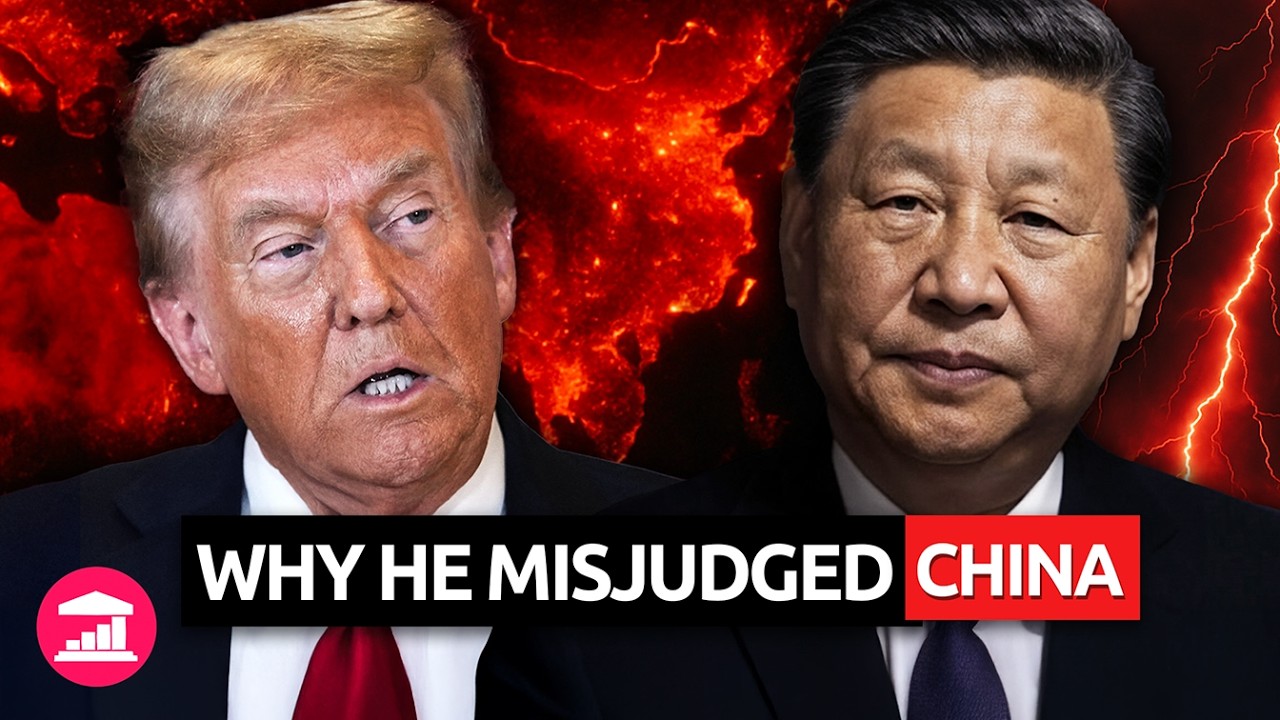
US tariff dispute: No winner
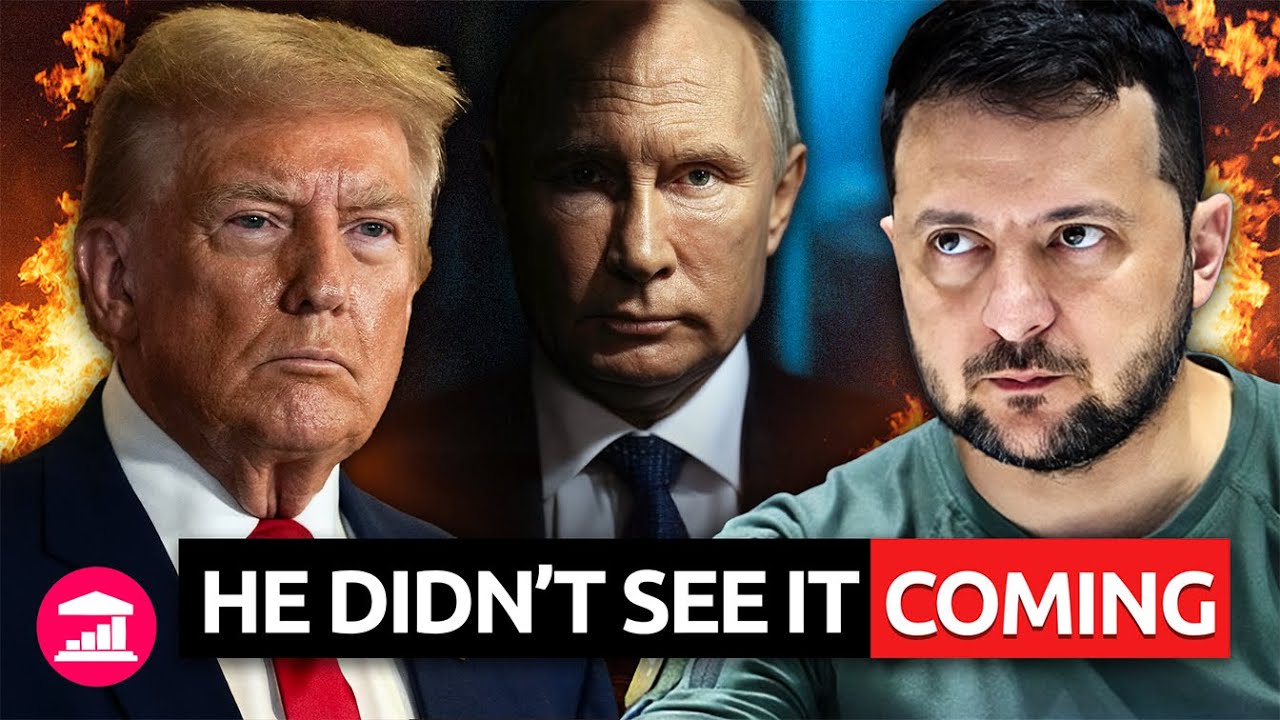
Zelensky's trap for Putin