-
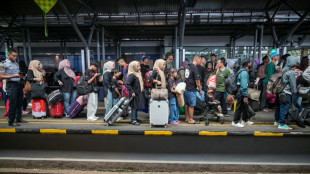 Millions of Indonesians in Eid travel exodus
-
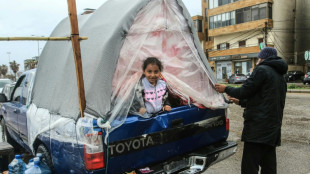
Israel strikes Beirut suburbs as displacement shelters overflow
-
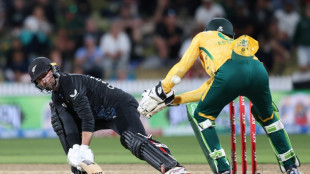 Hard-hitting Conway steers New Zealand to victory over South Africa
-
During Ramadan, Senegal's Baye Fall community lives to serve
-
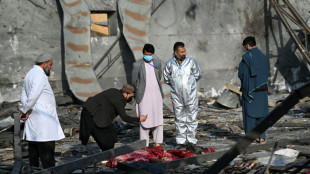 Afghan govt says 'around 400' killed in Pakistani strike on Kabul rehab clinic
-
Russian ballet banned for 'gay propaganda' gets new life in Berlin

-
 Malaysia hit with 3-0 forfeits to send Vietnam to Asian Cup
-
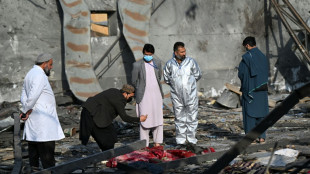
Rescue workers comb ruins of Kabul drug clinic after Pakistan strike
-
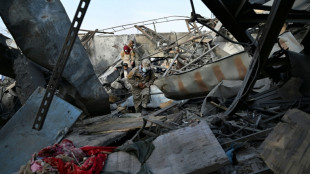 'Many dead': Wounded survivor escaped Kabul clinic strike
-
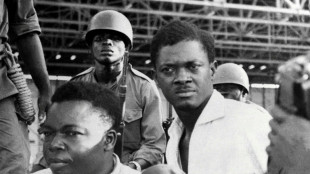
Belgian court decides on holding trial over 1961 Congo leader murder
-
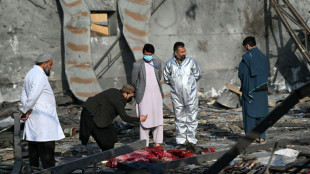 Kabul drug rehab clinic in ruins after Pakistan strikes on Afghanistan
-
Israel strikes Tehran, Beirut as Iraq pulled deeper into Mideast war
-
 Georgia ready for rugby elite despite rare Portugal defeat
-
Doncic leads Lakers to sixth straight win, Spurs sink Clippers
-
 Iran 'negotiating' with FIFA over moving World Cup games to Mexico: embassy
-
Gavaskar condemns Indian-owned franchise for signing Pakistan bowler
-
 Cash handouts, fare hikes as Philippines battles soaring fuel costs
-
Alleged Bondi Beach killer's mother received death threats, court told

-
 Venezuela end Italy fairytale to reach World Baseball Classic final
-
Sweden's prisons prepare to house young teens
-
 Indonesia weighs response to price pressures from Middle East war
-
In Hollywood, AI's no match for creativity, say top executives
-
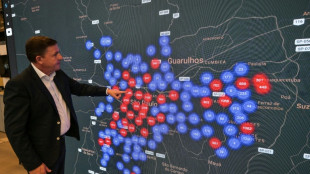 Sao Paulo AI policing nabs criminals, and a few innocents
-
Trump faces coalition of the unwilling on Iran
-
 Nvidia chief expects revenue of $1 trillion through 2027
-
Nvidia making AI module for outer space

-
 Migrant workers bear brunt of Iran attacks in Gulf
-
Who Does the Best Skin Removal After Weight Loss?

-
 Who Accepts Insurance for Transgender Hair Transplant?
-
From Bedroom Startup to Multi-State Firm: Razavi Law Group Founder Ali Razavi Inspires Future Lawyers at UCLA

-
 Gold IRA Rollover: Learn to Transfer Gold IRA Guide Released (2026)
-
EQS Group Launches Analytics Module in the Compliance COCKPIT to Turn Compliance Data into Actionable Intelligence
-
 Nano One Advances Candiac LFP Production Capacity Expansion Project, Detailed Engineering & Equipment Procurement
-
Empire Metals Limited Announces Diamond Drilling Results

-
 InterContinental Hotels Group PLC Announces Transaction in Own Shares - March 17
-
Star Copper Reports First Phase 2 Drill Results Extending Mineralization to West, North and South
-
 BioNxt Signs Strategic Agreement for Eurasian Commercialization Following Cladribine ODF Patent Grant in Eurasia and Europe
-
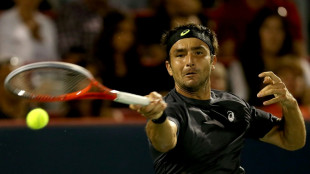
Former tennis world number 39 banned for doping
-
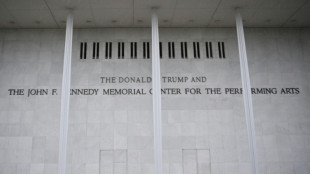 Kennedy Center board approves 2-year closure for renovation
-
US judge halts implementation of Trump vaccine overhaul
-
 Afghanistan accuses Pakistan of deadly airstrike on drug rehab centre in Kabul
-
Iran footballers train with Australia club and say 'everything will be fine'

-
 Trump asks China to delay Xi summit as Iran war rages
-
Multiple suicide bombers hit Nigeria's Maiduguri city after years of calm
-
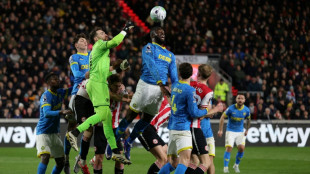 Wolves fightback frustrates Brentford
-
Trump vows to 'take' Cuba as island reels from oil embargo

-
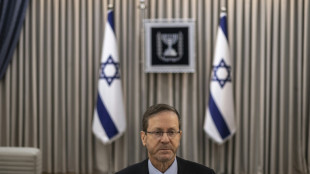 Israel president tells AFP Europe should back efforts to 'eradicate' Hezbollah
-
Equities rise on oil easing, with focus on Iran war and central banks
-
 Mbappe set for Real Madrid return against Man City
-
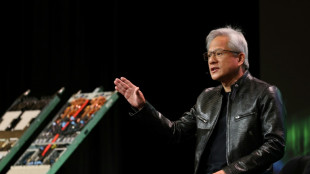
Nvidia rides 'claw' craze with AI agent platform
Venezuela’s economic roadmap
Following the dramatic removal of Nicolás Maduro from power in early January 2026, U.S. President Donald Trump set out a bold vision for Venezuela’s economic transformation. At a press conference after the operation that brought Maduro to U.S. custody, the White House announced that Washington would oversee Venezuela’s recovery, manage its oil sector and steer it toward democracy. The administration’s three‑phase strategy – stabilisation, recovery and transition – is described as an “economic revolution” that will lift the country out of a humanitarian and financial abyss. Critics, however, warn that the plan effectively turns the South American nation into a protectorate and underestimates the scale of the challenge.
Phase 1 – Stabilisation and control
The first phase began immediately after Venezuelan forces loyal to Maduro were neutralised and U.S. special forces escorted the former president to a waiting aircraft. Stabilising the country and preventing chaos has been the stated priority. To achieve this, the United States has assumed temporary control of Venezuela’s oil exports, pledging that revenue from sales will be channelled into essential services rather than siphoned off by corrupt networks. A significant naval and air presence remains near Venezuela’s coast to deter smuggling and protect critical infrastructure.
U.S. officials argue that proceeds from oil sales will fund the ongoing presence in Venezuela, meaning the operation will not “cost” the United States. Energy analysts caution that this is unrealistic. Production collapsed from about 3.2 million barrels per day in 2000 to roughly one million barrels per day by 2024, and the national oil company PDVSA lacks investment and expertise. Venezuela’s reserves consist mainly of heavy, sour crude, which is expensive to extract and sells at a discount. Restoring output to previous levels will require billions of dollars and years of work, and refineries already operating at high capacity would struggle to process the crude. Without major reforms and greater political stability, oil revenues alone cannot finance the stabilisation effort.
Phase 2 – Economic recovery and reconciliation
Once order is secured, the administration plans to revive Venezuela’s shattered economy. U.S. Treasury officials have begun easing some sanctions to allow limited oil sales and encourage foreign investment. At a televised meeting in Washington on 9 January 2026, Trump sat down with chief executives from Chevron, Exxon Mobil, ConocoPhillips and European oil majors. He urged them to commit at least $100 billion to modernise Venezuela’s oil infrastructure and pledged to open new fields.
Industry leaders responded cautiously. Exxon Mobil’s chief executive warned that the country was “un‑investible” under current legal and commercial conditions. Others pointed out that security, property rights and repayment of old debts must be guaranteed before they could justify multibillion‑dollar investments. Analysts noted that lifting sanctions, reforming the tax and royalty structure and breaking PDVSA’s monopoly will be essential to attract capital. Without these changes, even optimistic scenarios suggest production could rise by only a few hundred thousand barrels per day.
Phase 2 also includes a national reconciliation programme. Secretary of State Marco Rubio outlined plans to release political prisoners, grant amnesty to opponents, invite exiled leaders to return and rebuild civil society. He said U.S. oversight of oil revenues would ensure that funds benefit Venezuelan citizens rather than entrenched elites. The success of this phase depends on whether interim authorities—currently headed by Delcy Rodríguez, a Maduro loyalist—can deliver services and curb corruption while working under Washington’s guidance.
Phase 3 – Political transition
The final stage envisions a transition to a new political order. Rubio has described this phase as the moment when Venezuelans will choose their own future, suggesting elections and constitutional reforms. Yet the timeline and mechanisms remain vague. Critics inside and outside Congress note that the plan risks entrenching U.S. influence and undermining sovereignty. Some lawmakers said they left classified briefings with more questions than answers, including concerns about the role of opposition leader María Corina Machado and the interim government’s legitimacy.
Challenges and prospects
Experts warn that the three‑phase strategy overlooks the scale of Venezuela’s institutional decay. Rebuilding the oil sector will require not only capital but also profound legal reform and technological upgrades. Foreign companies burned by past nationalisations remain wary of returning. Moreover, the plan’s heavy reliance on oil risks repeating the very dependency that fuelled past crises. Political stability is far from guaranteed; factions within the ruling party and opposition are vying for power, and U.S. control may trigger nationalist backlash.
Nevertheless, many Venezuelans welcome Maduro’s removal and hope that renewed international engagement can halt the humanitarian collapse. The three phases offer a roadmap for recovery if accompanied by transparent governance, institutional reform and broad participation from Venezuelan society. Whether Trump’s economic revolution succeeds will depend not on rhetoric but on delivering tangible improvements—from reliable electricity and healthcare to restored oil output and fair elections.
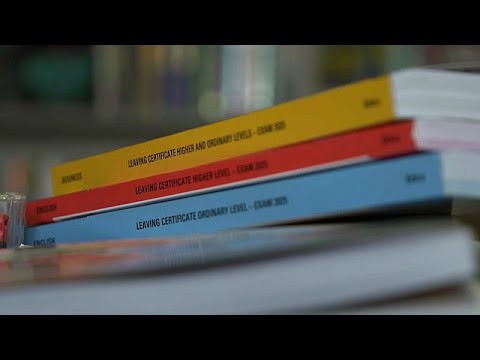
Irish government to subsidise school books
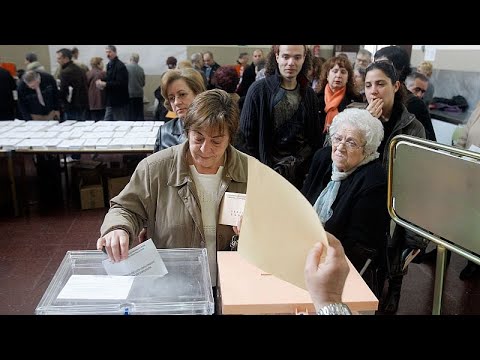
European democracy is weakening, report warns
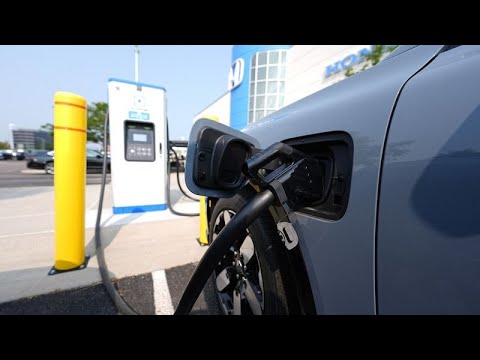
Low demand: electric vehicles clog Belgian port
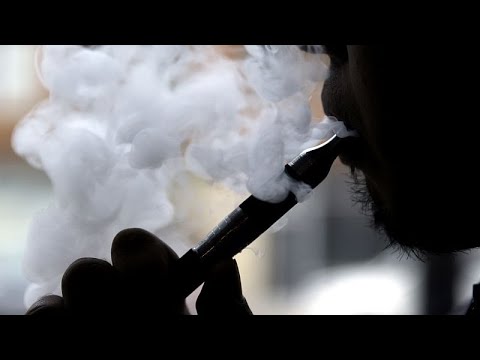
EU calls for tougher measures for a ‘tobacco-free generation’

This Summer experiences Romania first heatwave

Mike Pence: U.S. will continue to support Ukraine

Activists organise "flotilla" with aid for Gaza

Holy souls on display at 2024 Venice Biennale

Brussels, my Love? EU-Market "sexy" for voters?

The great Cause: Biden-Harris 2024
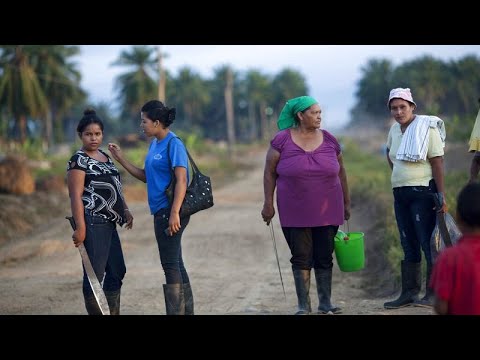
UN: Tackling gender inequality crucial to climate crisis