-
 War threatens Gulf's dugongs, turtles and birds
-
Germany targets oil firms to prevent wartime price gouging
-
 Chelsea striker Kerr sends Australia into Asian Cup final
-
'East meets West': KPop Demon Hunters brings global fans to Seoul's sites

-
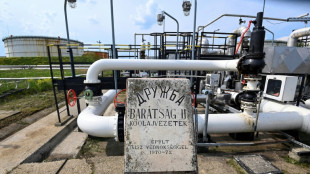 EU to help reopen blocked oil pipeline in Ukraine
-
Thai eSports players sentenced over SEA Games cheating scandal

-
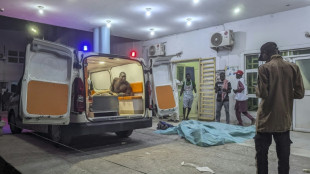 Nigeria suicide bombings kill 23, wound more than 100
-
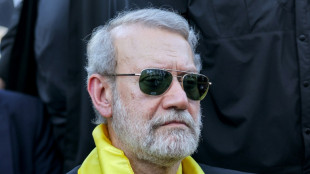
Iran's Larijani, the man whose power grew during Mideast war
-
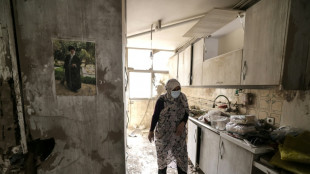 Israel says killed Iran national security chief Larijani
-
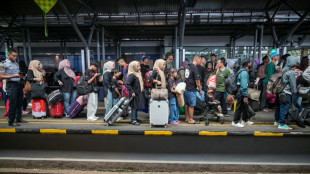
Millions of Indonesians in Eid travel exodus
-
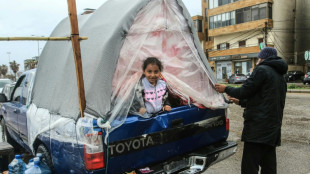 Israel strikes Beirut suburbs as displacement shelters overflow
-
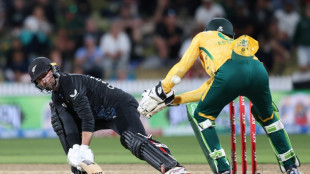
Hard-hitting Conway steers New Zealand to victory over South Africa
-
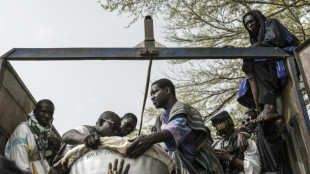 During Ramadan, Senegal's Baye Fall community lives to serve
-
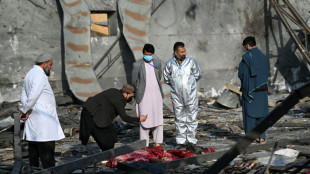
Afghan govt says 'around 400' killed in Pakistani strike on Kabul rehab clinic
-
 Russian ballet banned for 'gay propaganda' gets new life in Berlin
-
Malaysia hit with 3-0 forfeits to send Vietnam to Asian Cup
-
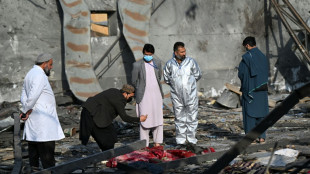 Rescue workers comb ruins of Kabul drug clinic after Pakistan strike
-
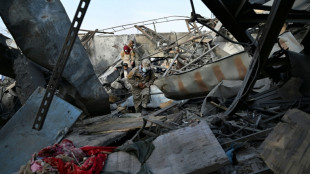
'Many dead': Wounded survivor escaped Kabul clinic strike
-
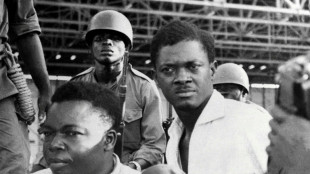 Belgian court decides on holding trial over 1961 Congo leader murder
-
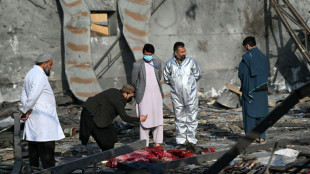
Kabul drug rehab clinic in ruins after Pakistan strikes on Afghanistan
-
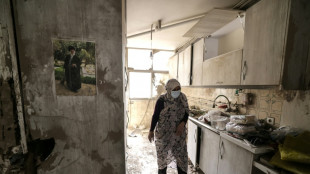 Israel strikes Tehran, Beirut as Iraq pulled deeper into Mideast war
-
Georgia ready for rugby elite despite rare Portugal defeat

-
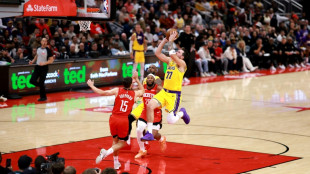 Doncic leads Lakers to sixth straight win, Spurs sink Clippers
-
Iran 'negotiating' with FIFA over moving World Cup games to Mexico: embassy
-
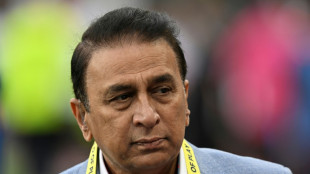 Gavaskar condemns Indian-owned franchise for signing Pakistan bowler
-
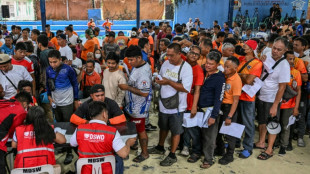
Cash handouts, fare hikes as Philippines battles soaring fuel costs
-
 Alleged Bondi Beach killer's mother received death threats, court told
-
Venezuela end Italy fairytale to reach World Baseball Classic final

-
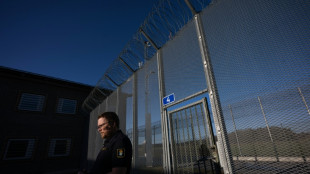 Sweden's prisons prepare to house young teens
-
Indonesia weighs response to price pressures from Middle East war
-
 In Hollywood, AI's no match for creativity, say top executives
-
Sao Paulo AI policing nabs criminals, and a few innocents
-
 Trump faces coalition of the unwilling on Iran
-
Nvidia chief expects revenue of $1 trillion through 2027

-
 Nvidia making AI module for outer space
-
Migrant workers bear brunt of Iran attacks in Gulf
-
 Waste Energy Corp. Files Trademark for WEFuel(TM) as It Prepares to Launch Waste-to-Energy Facility; Appoints Astrophysicist to Lead R&D Initiative
-
Financial Times Ranks Spider Labs Among Fastest-Growing APAC Companies
-
Namibia Critical Metals Welcomes Toyota Tsusho as Strategic Partner in the Lofdal Heavy Rare Earths Project
-
Hillcrest Energy Technologies Confirms ZVS PCS1000 Prototype on Track for June 2026

-
 Path Fertility Releases its SpermQT Facts Sheet
-
Regentis Biomaterials Develops and Patents New Solvent-Free Manufacturing Process That Increases GelrinC Production Yield by 400%

-
 TRNR Exhibits at HFA 2026 with All Four Brands and Strong Leadership Presence
-
Aspire Biopharma's Subsidiary, Buzz Bomb Caffeine Company, Appoints John Choe as Western Sales Director
-
 A New Peer-Reviewed Report Highlights the Reality Facing Some Couples and the Information Your Infertility Doctor May Not Be Telling You
-
High-Resolution Airborne Survey Completed at Music Valley HREE Project
-
 Topsort Launches Tomi, an AI Agent to Automate Retail Media Campaign Operations
-
Tianci International, Inc. Announces Reverse Stock Split

-
 Avant Brands Announces Strategic Realignment of European Operations and Reclaims BLK MKT Brand Rights in Germany and Switzerland
-
1606 Corp. Signs Agreement to Acquire Data-Center-Ready Property with Captive Power on 132 Acres
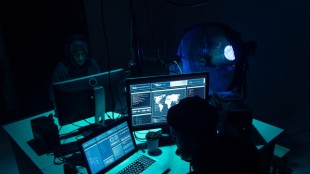
Venezuela’s economic roadmap
Following the dramatic removal of Nicolás Maduro from power in early January 2026, U.S. President Donald Trump set out a bold vision for Venezuela’s economic transformation. At a press conference after the operation that brought Maduro to U.S. custody, the White House announced that Washington would oversee Venezuela’s recovery, manage its oil sector and steer it toward democracy. The administration’s three‑phase strategy – stabilisation, recovery and transition – is described as an “economic revolution” that will lift the country out of a humanitarian and financial abyss. Critics, however, warn that the plan effectively turns the South American nation into a protectorate and underestimates the scale of the challenge.
Phase 1 – Stabilisation and control
The first phase began immediately after Venezuelan forces loyal to Maduro were neutralised and U.S. special forces escorted the former president to a waiting aircraft. Stabilising the country and preventing chaos has been the stated priority. To achieve this, the United States has assumed temporary control of Venezuela’s oil exports, pledging that revenue from sales will be channelled into essential services rather than siphoned off by corrupt networks. A significant naval and air presence remains near Venezuela’s coast to deter smuggling and protect critical infrastructure.
U.S. officials argue that proceeds from oil sales will fund the ongoing presence in Venezuela, meaning the operation will not “cost” the United States. Energy analysts caution that this is unrealistic. Production collapsed from about 3.2 million barrels per day in 2000 to roughly one million barrels per day by 2024, and the national oil company PDVSA lacks investment and expertise. Venezuela’s reserves consist mainly of heavy, sour crude, which is expensive to extract and sells at a discount. Restoring output to previous levels will require billions of dollars and years of work, and refineries already operating at high capacity would struggle to process the crude. Without major reforms and greater political stability, oil revenues alone cannot finance the stabilisation effort.
Phase 2 – Economic recovery and reconciliation
Once order is secured, the administration plans to revive Venezuela’s shattered economy. U.S. Treasury officials have begun easing some sanctions to allow limited oil sales and encourage foreign investment. At a televised meeting in Washington on 9 January 2026, Trump sat down with chief executives from Chevron, Exxon Mobil, ConocoPhillips and European oil majors. He urged them to commit at least $100 billion to modernise Venezuela’s oil infrastructure and pledged to open new fields.
Industry leaders responded cautiously. Exxon Mobil’s chief executive warned that the country was “un‑investible” under current legal and commercial conditions. Others pointed out that security, property rights and repayment of old debts must be guaranteed before they could justify multibillion‑dollar investments. Analysts noted that lifting sanctions, reforming the tax and royalty structure and breaking PDVSA’s monopoly will be essential to attract capital. Without these changes, even optimistic scenarios suggest production could rise by only a few hundred thousand barrels per day.
Phase 2 also includes a national reconciliation programme. Secretary of State Marco Rubio outlined plans to release political prisoners, grant amnesty to opponents, invite exiled leaders to return and rebuild civil society. He said U.S. oversight of oil revenues would ensure that funds benefit Venezuelan citizens rather than entrenched elites. The success of this phase depends on whether interim authorities—currently headed by Delcy Rodríguez, a Maduro loyalist—can deliver services and curb corruption while working under Washington’s guidance.
Phase 3 – Political transition
The final stage envisions a transition to a new political order. Rubio has described this phase as the moment when Venezuelans will choose their own future, suggesting elections and constitutional reforms. Yet the timeline and mechanisms remain vague. Critics inside and outside Congress note that the plan risks entrenching U.S. influence and undermining sovereignty. Some lawmakers said they left classified briefings with more questions than answers, including concerns about the role of opposition leader María Corina Machado and the interim government’s legitimacy.
Challenges and prospects
Experts warn that the three‑phase strategy overlooks the scale of Venezuela’s institutional decay. Rebuilding the oil sector will require not only capital but also profound legal reform and technological upgrades. Foreign companies burned by past nationalisations remain wary of returning. Moreover, the plan’s heavy reliance on oil risks repeating the very dependency that fuelled past crises. Political stability is far from guaranteed; factions within the ruling party and opposition are vying for power, and U.S. control may trigger nationalist backlash.
Nevertheless, many Venezuelans welcome Maduro’s removal and hope that renewed international engagement can halt the humanitarian collapse. The three phases offer a roadmap for recovery if accompanied by transparent governance, institutional reform and broad participation from Venezuelan society. Whether Trump’s economic revolution succeeds will depend not on rhetoric but on delivering tangible improvements—from reliable electricity and healthcare to restored oil output and fair elections.
How important is sustainable development?
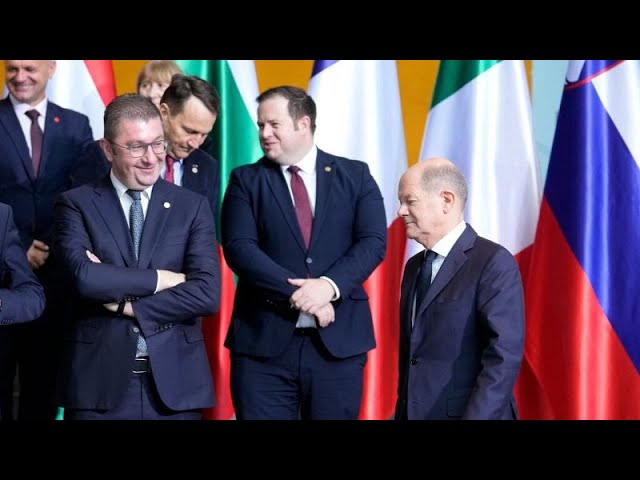
Berlin: EU-Summit of western Balkan heads of state
Putin's War Will Go Bankrupt if the Oil Prices Drop
Germany: The fight against economic migrants
Polish PM and the danger of asylum seekers
Ukraine: Recruiters searched Kyiv venues
EU: Austrian elections shake Establishment
Terrorist state Iran: ‘We are ready to attack Israel again’
EU: Greenpeace warns of dying farms

EU: Tariffs on all Chinese electric Cars
Zelenskyy: ‘What worked in Israel work also in Ukraine’