-
 Spanish PM begins vote campaign overshadowed by housing protests
-
Palmer signs contract to stay at Chelsea until 2034

-
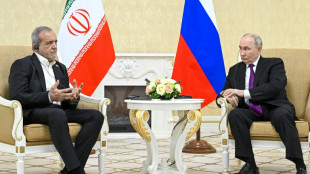 Putin told Trump about Iran's position on peace deal: Kremlin
-
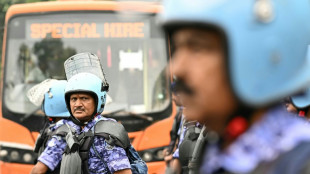
India detains 'cockroach' movement leaders in bid to thwart election protest
-
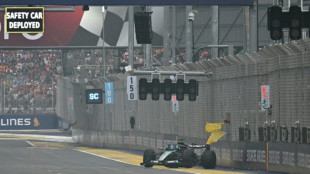 Verstappen wins chaotic Singapore sprint after Russell crashes
-
Proposed next EU budget cut back in search for deal
-
 Kiss tells Wallabies to 'return fire' after first loss as coach
-
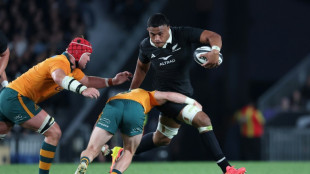
All Blacks learn from 'failed' Springboks series to punish Wallabies
-
 Russian strikes kill 11 including 3 children: Ukrainian authorities
-
Marquez grabs MotoGP championship lead after Indonesia sprint chaos
-
 Russian teenager Andreeva breezes into China Open final
-
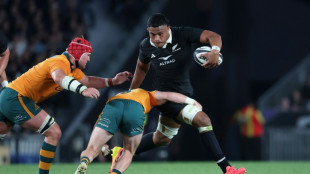
All Blacks extend Eden Park streak with big win over Wallabies
-
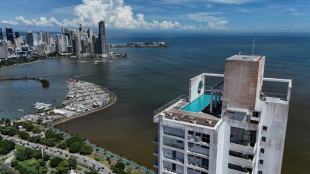 Major earthquake hits Panama, injures at least 27
-
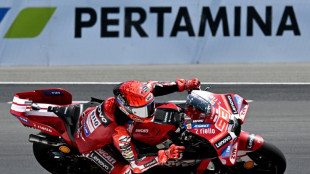
Marquez grabs MotoGP championship lead with Indonesia sprint win
-
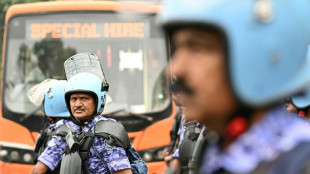 India detains 'cockroach' leaders ahead of election protest
-
Schauffele closes in on leaders after 'weird' round in Japan

-
 'No divisions, no borders', French astronaut says of seeing Earth
-
Medvedev through at Shanghai Masters in first match since disqualification

-
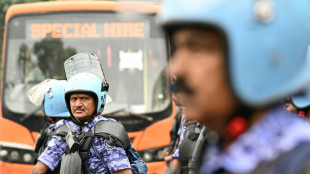 India's 'cockroach' movement chief detained ahead of major protest
-
Trump sows doubt on plan to livestream US military execution

-
 Year later, Gaza ceasefire promises mostly unfulfilled
-
Hunger and malnutrition stalk Gazans, a year on from ceasefire

-
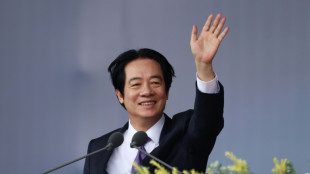 Taiwan's leader says increasing defence spending to 'deter war'
-
Fernandez trumps MotoGP championship duo to grab Indonesia pole

-
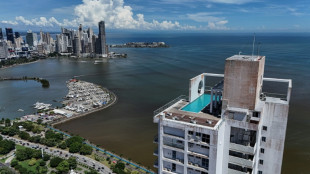 Major quake hits Panama, no deaths reported
-
October 7 scars push Israel's first-time voters to right

-
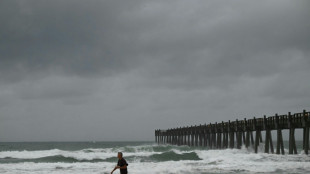 Hurricane Isaias makes landfall in Florida
-
India deploys police, restricts transport ahead of major protest

-
 Brazil prosecutors sue Shell for $108 mn over deadly 2024 floods
-
Three Mexicans convicted in murders of Australian, US surfers

-
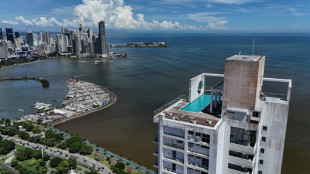 Major earthquake destroys buildings, roads in Panama
-
Powerful waves lash California coast as storm threatens more damage

-
 Anthropic AI model sent fake murder tip to Philadelphia police
-
Trump hails Russia deal to release diesel as midterms loom
-
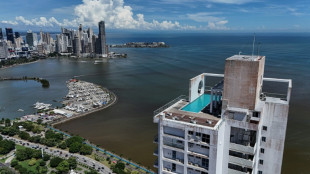 7.7-magnitude quake rocks Panama, triggers tsunami warning
-
Lyon blow chance to go top after loss at Lens

-
 Prince Harry booed at English rugby match
-
Stocks rise as Trump says Russia to release diesel to world markets

-
 Kiplimo and Feysa seek repeat Chicago Marathon wins
-
Wildfire smoke shuts schools in Amazon's biggest city

-
 Fuellkrug halts Dortmund after late goal flurry
-
Turkey jails 2 journalists pending trial for fund crisis 'misinformation'
-
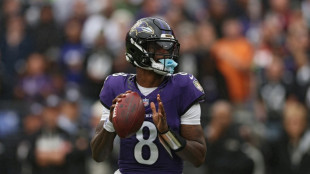 Injured Ravens quarterback Jackson ruled out of Falcons clash
-
Major earthquake rocks Panama, triggers tsunami warning

-
 Brewers aim to take down two-time defending champion Dodgers in NLCS rematch
-
Indian jailed in France for leading sadist Nazi cult that tortured girls

-
 Tsunami alert after major earthquake rocks Panama
-
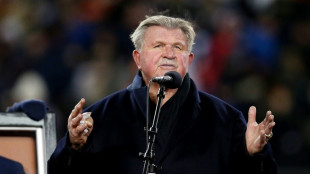
'Iron Mike' Ditka hailed as 'gold standard' NFL legend
-
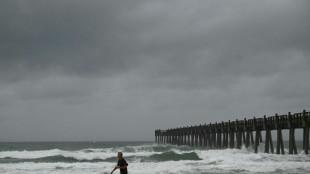 Outer bands of Hurricane Isaias lash US Gulf Coast
-
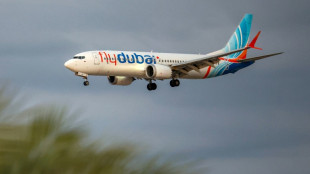
Flydubai co-pilot planned suicide attack on Tel Aviv airport: UAE prosecutor
COSTCO profits from Fees
Costco’s cavernous warehouses and legendary bargain bins hide an unusual business secret: the company makes surprisingly little money from the products rolling through its tills. Instead, the bulk of its earnings come from selling the right to shop there. Shoppers pay annual fees – US$65 for a basic membership or US$130 for an executive tier – and those dues power almost the entire enterprise. Costco’s chief executive has even remarked that the most important item the retailer sells isn’t a giant jar of mayonnaise but the membership card itself.
A Subscription Model in Disguise
While rival supermarkets mark up goods by 25 % to 50 %, Costco keeps its average merchandise markup at around 11 %, essentially passing most of the savings to customers. After wages and utilities are accounted for, the retailer retains only a fraction of its sales as profit. In its 2025 fiscal year the company generated roughly US$270 billion in net sales but just over US$5 billion in operating income before taxes. What makes the model work are those membership dues. More than 80 million paid memberships produced about US$5.3 billion in revenue in the year ending August 2025, a figure that was almost pure profit. Renewal rates remain extraordinarily high – above 92 % in the United States and nearly 90 % globally. In essence, the fee income covers Costco’s overhead, allowing it to sell goods at razor‑thin margins and still generate solid earnings.
Winning Loyalty Through Value
The club’s low prices and quality goods have cultivated a near‑cult following. Perks such as the US$1.50 hot dog and soda combo or the US$5 rotisserie chicken often cost the company money, yet they draw in shoppers who fill their carts with other items. Costco’s private‑label Kirkland Signature line also delivers savings of 15–20 % compared with national brands. Employees earn comparatively high wages and enjoy generous benefits, fostering a customer‑friendly culture. The result is a virtuous cycle: low prices attract members, high renewal rates give Costco scale, and scale enables even lower prices.
Adjusting the Membership Formula
As inflation and supply-chain challenges have pushed costs higher, Costco has nudged up its dues for the first time in years. Since September 2024 the basic fee has risen by about US$5 and the executive tier by US$10. Even so, members continue to renew at elevated rates. Management views the current dip in global renewal rates – down to around 89.8 % because of a surge in younger, digitally acquired members – as temporary. Fee income rose 14 % year on year in the fourth quarter of 2024 to US$1.72 billion, underscoring the resilience of the subscription model.
Costco has also tightened enforcement of its club rules. To prevent freeloading, store entrances now require members to scan their cards or smartphone QR codes. The company even stopped selling the famous food‑court hot dog combo to non‑members. In September 2025 a new, controversial policy granted executive members exclusive early shopping hours on weekdays and weekends. Although fewer than half of cardholders belong to this tier, they accounted for more than 74 % of net sales in the fourth quarter. The perk has added roughly 1 % to weekly U.S. sales and encouraged some members to upgrade.
Expansion and E‑Commerce
The warehouse chain isn’t standing still. Costco operated 914 warehouses worldwide at the end of August 2025 and plans to grow to around 944 by the end of fiscal 2026. Digital sales rose more than 13 % year on year, with online apparel and electronics leading the way. Though e‑commerce margins are slimmer and tariffs remain a concern, management believes its membership base and private‑label strategy provide a buffer against volatility. The Kirkland brand, which now generates more revenue than some famous apparel labels, continues to strengthen loyalty.
Risks and Outlook
Relying on recurring fees does carry risks. A prolonged economic slowdown could dampen renewals and spending, and younger customers acquired through promotions or online sign‑ups may prove less loyal. Expansion comes with costs that squeezed operating margins to around 2.9 % in mid‑2025. Nevertheless, the company’s net income climbed to US$8.1 billion in fiscal 2025. Executives argue that as long as Costco maintains its value proposition and treats employees well, members will keep paying for the privilege to shop. In the words of the company’s leader, culture is a business strategy, and the warehouse club will continue to prioritise the membership card over the shopping cart.

Milei suffers crushing Defeat

Tel Aviv’s Wartime rally

Tokyo’s Housing playbook

Venezuela braces after Strike

Trump vs Intel: Chip endgame?

Cuba's hunger Crisis deepens

Poland trusts only hard Power
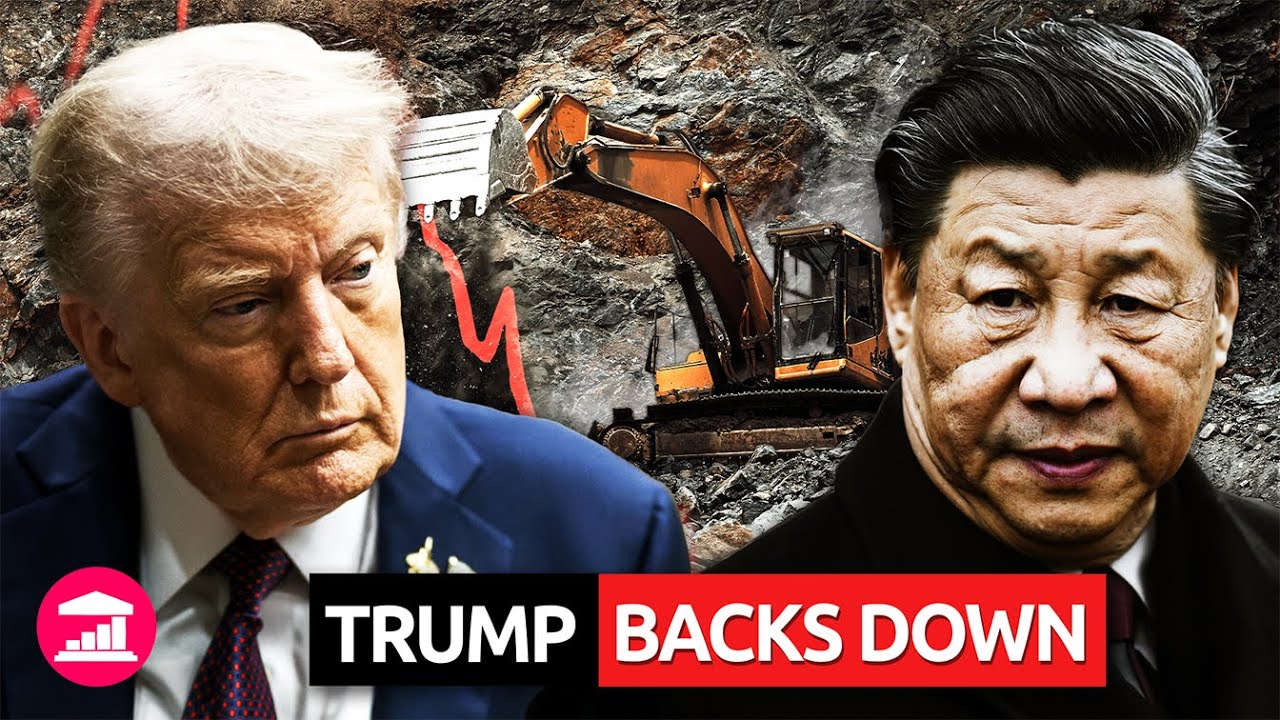
Rare Earth Standoff

Cuba Strangled by US Pressure

Power at the Heart of Iran

AI sparks Wall Street panic