-
 Piracy attacks off Somalia surge in 2026: AFP analysis of IMO data
-
Two killed, one arrested, at school near Berlin: police

-
 Tottenham land Marmoush from Manchester City
-
Cox defies Pakistan after Abbas's treble strike rocks England

-
 YZi Labs Backs TermMax to Advance On-Chain Bond Market Infrastructure
-
Bosnian Serb war criminal Ratko Mladic dead

-
 Nvidia boosts tech stocks but caution dominates ahead of Fed speech
-
Ogura to miss Aragon MotoGP after hand surgery

-
 Pogacar holds off Mas to claim Vuelta stage six victory
-
Severe Thunderstorms Hit Eastern Australia After SA Deluge

-
 A lasting Dolly Parton legacy: childhood literacy
-
More than goals: What Mourinho wants from Real Madrid's Mbappe

-
 S.Africa sounds alarm as infant vaccinations plummet
-
Finland defends shores against oil spill risk

-
 Toulouse have salary cap fine reduced on appeal
-
Iraola hoping for 'good news soon' in Liverpool pursuit of Barcola

-
 Tech stocks lifted by Nvidia but caution dominates ahead of Fed speech
-
Iran executes over 500 people in 2026: rights group

-
 'Smart cricketer' Dinusha helps Sri Lanka draw second India Test
-
Srebrenica: Massacre that outraged the world

-
 Zambia opposition leader surrenders to police: state media
-
After US settlement, EU says Meta must 'protect our kids too'

-
 Alleged 9/11 mastermind to go on trial in June 2028
-
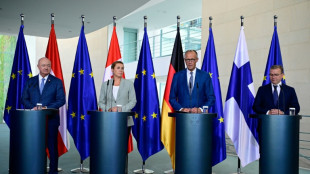
Germany-led 'frugal' EU states demand budget plan cuts of 'several hundred billion'
-
 Abbas's treble strike rocks England in second Test
-
Ratko Mladic: Serb crusader dubbed 'epitome of evil'

-
 'Butcher of Bosnia' Ratko Mladic dead: Serbian state media
-
Pramac Yamaha replace Miller with Guevara for 2027 MotoGP season

-
 New Zealand make three changes for second South Africa Test
-
Bouaddi needs time at Man City despite 100m euro fee, says Maresca
-
 Stocktwits Expands CME Group Alliance with the Integration of Single Stock Futures Data
-
MEXC Launches SHEIN Subscription with $1M Quota as Inaugural IPO Express Event

-
 'Mature' Colapinto extends contact with Alpine through 2027
-
Iran, Qatar hold Hormuz talks as US blockade chokes Iran oil imports

-
 Atletico rule out any talks with Barcelona over Alvarez
-
Defiant Dinusha helps Sri Lanka draw second India Test

-
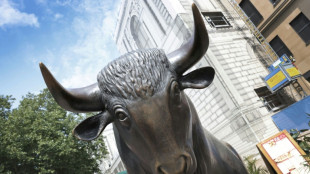 Tech stocks lifted by Nvidia as broader markets struggle
-
Pakistan bowl against England in rain-delayed second Test

-
 Delap joins Nottingham Forest in club-record deal
-
Barcola move from PSG to Liverpool 'on track': source

-
 ICC President Akane Warns U.S. Sanctions Threaten Court's Future
-
Swallowed by silt: Survivors recount Nepal flood horror

-
 Delays in Cancer Radiotherapy and Surgery Target Times
-
Germany's Merz hosts 'frugal' leaders ahead of EU budget battle

-
 Acrid stench, charred walls reveal devastation of Pakistan infant ward fire
-
Barca sign Croatia goalkeeper Livakovic

-
 Norway holds its breath as King Harald's health deteriorates
-
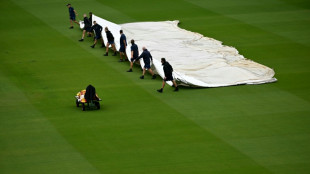
Rain delays England's bid to put off-field incidents behind them
-
 Germany reports record 15,800 heat-related deaths this summer
-
World record holder Sawe withdraws from Berlin Marathon

NYSE - LSE
COSTCO profits from Fees
Costco’s cavernous warehouses and legendary bargain bins hide an unusual business secret: the company makes surprisingly little money from the products rolling through its tills. Instead, the bulk of its earnings come from selling the right to shop there. Shoppers pay annual fees – US$65 for a basic membership or US$130 for an executive tier – and those dues power almost the entire enterprise. Costco’s chief executive has even remarked that the most important item the retailer sells isn’t a giant jar of mayonnaise but the membership card itself.
A Subscription Model in Disguise
While rival supermarkets mark up goods by 25 % to 50 %, Costco keeps its average merchandise markup at around 11 %, essentially passing most of the savings to customers. After wages and utilities are accounted for, the retailer retains only a fraction of its sales as profit. In its 2025 fiscal year the company generated roughly US$270 billion in net sales but just over US$5 billion in operating income before taxes. What makes the model work are those membership dues. More than 80 million paid memberships produced about US$5.3 billion in revenue in the year ending August 2025, a figure that was almost pure profit. Renewal rates remain extraordinarily high – above 92 % in the United States and nearly 90 % globally. In essence, the fee income covers Costco’s overhead, allowing it to sell goods at razor‑thin margins and still generate solid earnings.
Winning Loyalty Through Value
The club’s low prices and quality goods have cultivated a near‑cult following. Perks such as the US$1.50 hot dog and soda combo or the US$5 rotisserie chicken often cost the company money, yet they draw in shoppers who fill their carts with other items. Costco’s private‑label Kirkland Signature line also delivers savings of 15–20 % compared with national brands. Employees earn comparatively high wages and enjoy generous benefits, fostering a customer‑friendly culture. The result is a virtuous cycle: low prices attract members, high renewal rates give Costco scale, and scale enables even lower prices.
Adjusting the Membership Formula
As inflation and supply-chain challenges have pushed costs higher, Costco has nudged up its dues for the first time in years. Since September 2024 the basic fee has risen by about US$5 and the executive tier by US$10. Even so, members continue to renew at elevated rates. Management views the current dip in global renewal rates – down to around 89.8 % because of a surge in younger, digitally acquired members – as temporary. Fee income rose 14 % year on year in the fourth quarter of 2024 to US$1.72 billion, underscoring the resilience of the subscription model.
Costco has also tightened enforcement of its club rules. To prevent freeloading, store entrances now require members to scan their cards or smartphone QR codes. The company even stopped selling the famous food‑court hot dog combo to non‑members. In September 2025 a new, controversial policy granted executive members exclusive early shopping hours on weekdays and weekends. Although fewer than half of cardholders belong to this tier, they accounted for more than 74 % of net sales in the fourth quarter. The perk has added roughly 1 % to weekly U.S. sales and encouraged some members to upgrade.
Expansion and E‑Commerce
The warehouse chain isn’t standing still. Costco operated 914 warehouses worldwide at the end of August 2025 and plans to grow to around 944 by the end of fiscal 2026. Digital sales rose more than 13 % year on year, with online apparel and electronics leading the way. Though e‑commerce margins are slimmer and tariffs remain a concern, management believes its membership base and private‑label strategy provide a buffer against volatility. The Kirkland brand, which now generates more revenue than some famous apparel labels, continues to strengthen loyalty.
Risks and Outlook
Relying on recurring fees does carry risks. A prolonged economic slowdown could dampen renewals and spending, and younger customers acquired through promotions or online sign‑ups may prove less loyal. Expansion comes with costs that squeezed operating margins to around 2.9 % in mid‑2025. Nevertheless, the company’s net income climbed to US$8.1 billion in fiscal 2025. Executives argue that as long as Costco maintains its value proposition and treats employees well, members will keep paying for the privilege to shop. In the words of the company’s leader, culture is a business strategy, and the warehouse club will continue to prioritise the membership card over the shopping cart.

US tariff dispute: No winner

Euro Challenges Dollar's Reign

Zelensky's trap for Putin

Jewish Success: Myths & Facts

Japan’s right‑turn triumph

After Europe’s capitulation

Operation Venezuela: Scenario

Can the FANB shield Maduro?

EU India deal gains unveiled

Argentina reshapes oil

Cuba Strangled by US Pressure