-
 Liverpool boss Iraola urges Isak to raise his level
-
US warns of rapid escalation in Middle East war
-
 Evenepoel wins record 4th straight world time-trial title
-
Germany's far-right AfD celebrates another state election win

-
 France's Macron, Canada's Carney announce closer ties
-
Russia vows revenge for election-day attacks as poll shows ruling party win
-
 Carrick defends troubled Man Utd after Fulham escape
-
Spaun late shows snatches PGA Championship win

-
 Horror movie 'Resident Evil' tops N. American box office
-
Conceicao strikes as Juventus beat Atalanta

-
 Germany's Merz vows to stay course despite new vote losses
-
Britain, Zverev-inspired Germany, Spain complete Davis Cup finals
-
 Man City outgun Sunderland despite Brobbey hat-trick, Man Utd rescue Fulham draw
-
Man Utd salvage Fulham draw as pressure mounts on Carrick

-
 Mourinho blames ref committee for Real Madrid derby defeat
-
Spanish civil war drama 'The Black Ball' wins at Toronto festival

-
 Maresca craves a 1-0 win after eight-goal Man City thriller
-
Germany's Merz shaken by far-right and far-left gains in state votes
-
 Atletico Madrid beat Real Madrid in tense derby clash
-
Macron welcomes Canada's Carney to French Atlantic territory
-
 Reusser retains world time-trial title
-
Fiorentina frustrate Napoli with Serie A draw, Como upset

-
 Man City outgun Sunderland despite Brobbey hat-trick, Liverpool win at Bournemouth
-
Five-star Man City top Premier League after Sunderland thriller

-
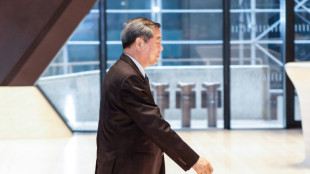 Top US, Chinese economic officials meet ahead of Trump-Xi summit
-
Ukrainian drones hit Moscow on last day of Russian elections
-
 Erdogan's LGBTQ crackdown 'first step of election campaign': activist
-
Multi-Asset Trading Venue Monochrome Exchange Announces IEO of Its Native Token, $MCR

-
 Mass drone barrage on Moscow kills two
-
South Korea break Japan hearts to win Asian Games basketball gold

-
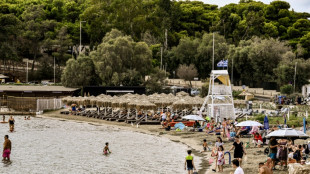 82-year-old dies after beach fight in Greece over sun lounger
-
Acosta takes first victory at Austrian MotoGP

-
 US warns of rapid escalation in Mideast war
-
PSG president Nasser al-Khelaifi under investigation in France for conflict of interest
-
 Iran 'put hearts on the court' to win Asian Games basketball bronze
-
China swim sensation, 13, sets Games record after Japan win early

-
 School girl Yu helps China dominate in Asian Games swimming openers
-
Drones hit Moscow as Russians go to the polls
-
 Myanmar win first Asian Games teqball gold as Spain great Puyol watches
-
New England boss Fleming says 'wrong' to ask Stokes to end retirement

-
 China's 13-year-old Yu scorches to first major gold at Asian Games
-
Germans vote in elections threatening fresh blow to Merz
-
 Russians vote on last day of parliamentary elections
-
US fears rapid escalation in Mideast after Houthis attack Riyadh
-
 Hong Kong pays final respects to former city leader Tung
-
Japan triathlete Hojo wins first gold of Asian Games

-
 Typhoon put people off Asian Games opening ceremony, official says
-
IOC president impressed by 'beautiful' Asian Games wooden huts

-
 China's 13-year-old Yu cruises as Asian Games swimming begins
-
First Asian Games gold goes to Japan as China's 13-year-old Yu lights up pool

Operation Venezuela: Scenario
The United States has surged naval power into the southern Caribbean under the banner of “enhanced counter-narcotics” operations, while Venezuela has mobilized forces and militias at home. Against this backdrop, security planners are gaming out a scenario sometimes dubbed “Operation Venezuela”: a coercive campaign designed to capture or incapacitate Nicolás Maduro’s ruling circle without a prolonged occupation. What follows is a non-fiction analysis—anchored in current, publicly reported facts—of how such an operation would likely be built.
Phase 0: Political framing and legal scaffolding
Before the first shot, Washington would frame action as a transnational crime and regional security problem—drug-cartel interdiction, hostage/prisoner issues, and the defense of maritime commerce—while tightening energy and financial sanctions to constrict cash flows. Expect parallel diplomacy at the Organization of American States, quiet outreach to Caribbean partners for port and air access, and coordination with the Netherlands (Curaçao/Aruba) and Colombia on overflight and logistics. The immediate aim is legitimacy, basing, and intelligence sharing—without conceding that regime change is the objective.
Phase 1: Maritime and air “quarantine,” intelligence dominance
With destroyers, a cruiser, and an amphibious assault ship already in theater, the opening move would be sea control: persistent patrols, air and surface interdictions, and boarding of suspect craft outside Venezuelan territorial waters. Overhead, ISR aircraft and space-based assets would build a detailed picture of Venezuelan command-and-control, air defenses, and leadership movements. Electronic warfare and cyber units would probe networks, map radar coverage, and seed access for later disruption.
Phase 2: Blinding the air defenses (SEAD/DEAD)
Any kinetic step ashore would first require suppressing Venezuela’s layered air defenses, which include long-range S-300-class systems, medium-range batteries, and a radar network anchored around key urban and oil-infrastructure hubs. The likely playbook: stand-off jamming, decoys, cyber effects against air-defense command nodes, and precision strikes on select radars and launchers. The objective isn’t to raze the entire integrated air defense system, but to carve a time-limited corridor for special operations aviation and maritime helicopters.
Phase 3: “Decapitation” raids and denial of escape
If the operation sought to detain Maduro or senior figures, special mission units would move near-simultaneously against leadership safe sites, communications hubs, and key airports (to deny flight). Maritime teams could sabotage executive transport and pier-side escape options, while airborne elements secure runways for short windows. The template is historical: neutralize mobility, isolate the inner circle, exploit surprise—and exfiltrate quickly if the political costs spike.
Phase 4: Precision punishment without invasion
Should detention prove unworkable, an intermediate option is calibrated strikes against regime-critical assets: intelligence headquarters, military logistics depots, and select revenue nodes tied to illicit finance—while avoiding broad infrastructure damage. This keeps the campaign within days, not months, and reduces the risk of urban combat in Caracas or Maracaibo.
What could go wrong
Air denial is not trivial. Even a partially functional S-300 umbrella complicates rotary-wing ingress near the capital. Urban complexity. Caracas favors defenders; militias and security services could draw raids into dense neighborhoods. External spoilers. Advisers from partner states, and offshore intelligence support to Caracas, can raise the cost and duration of any action. Regional blowback. Mexico and others oppose foreign intervention; without a clear regional mandate, sustained operations risk isolating Washington diplomatically. Oil shock and migration. Renewed sanctions and kinetic action could squeeze supplies and push new refugee flows toward Colombia, Brazil, and the Caribbean.
Signals to watch if the crisis escalates
- Additional amphibious shipping or Marine aviation assets entering the theater.
- Surge of aerial refueling tankers and electronic-attack aircraft to forward locations.
- Cyber disruptions at Venezuelan ministries, state media, or airport systems.
- “Maritime safety” notices suggesting wider exclusion zones off the Venezuelan coast.
- Expanded coordination cells announced by U.S. Southern Command with regional partners.
Bottom line
The most plausible U.S. approach is coercive capture—short, sharp, and intelligence-led—nested inside a broader maritime and sanctions squeeze. A full-scale invasion is unlikely and unnecessary for the campaign’s immediate aims. Yet even a limited raid carries real risks: air-defense attrition, urban friction, regional polarization, and economic blowback. In crisis management terms, the escalatory ladder is crowded—and every rung is slippery.
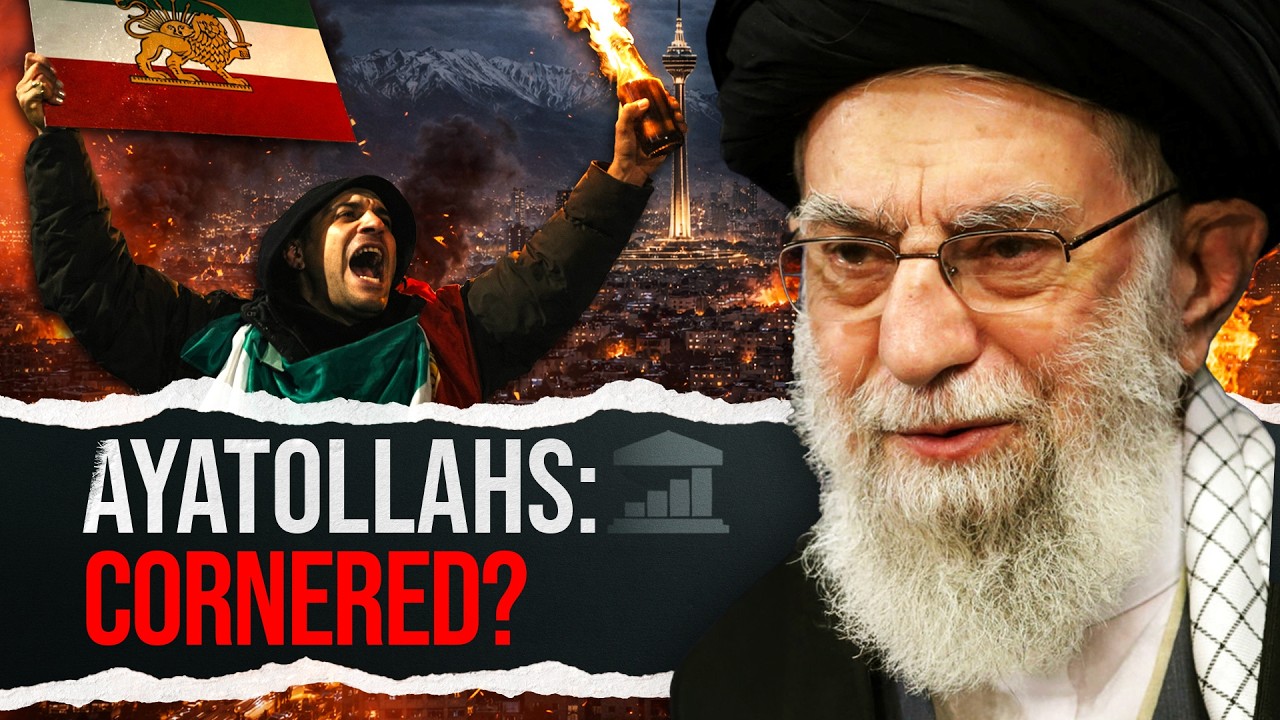
Power at the Heart of Iran
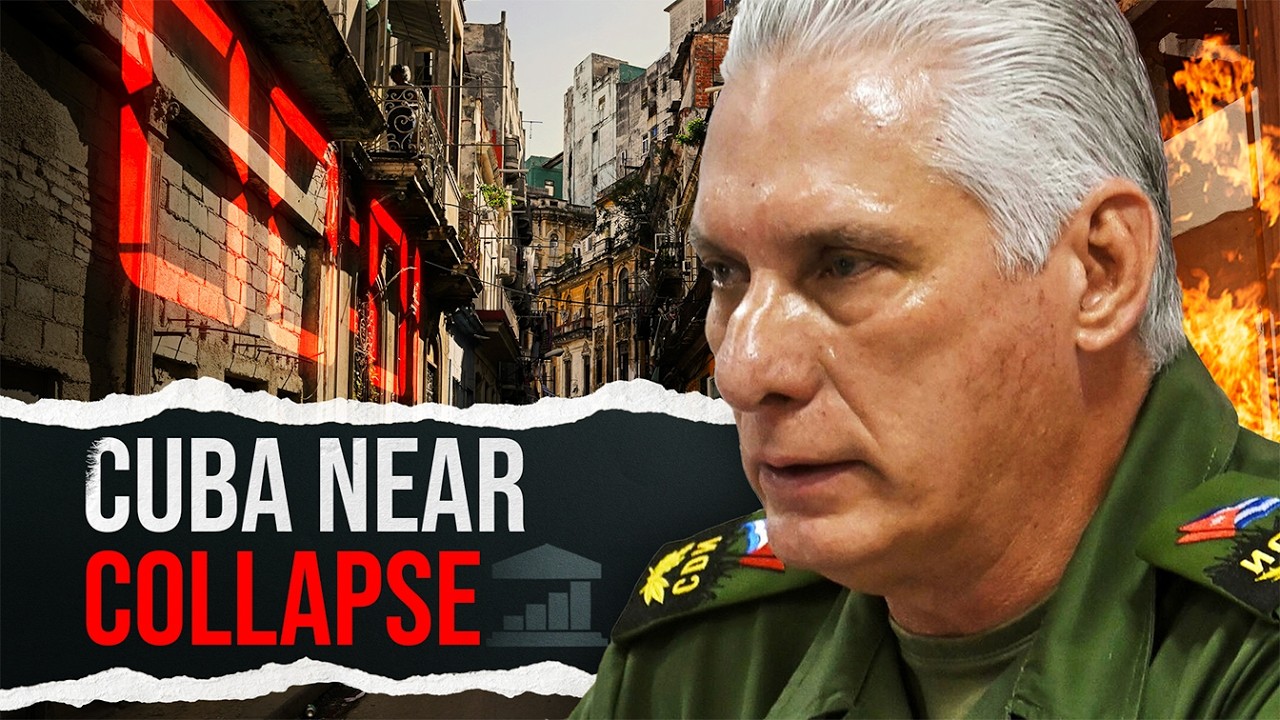
Cuba Strangled by US Pressure
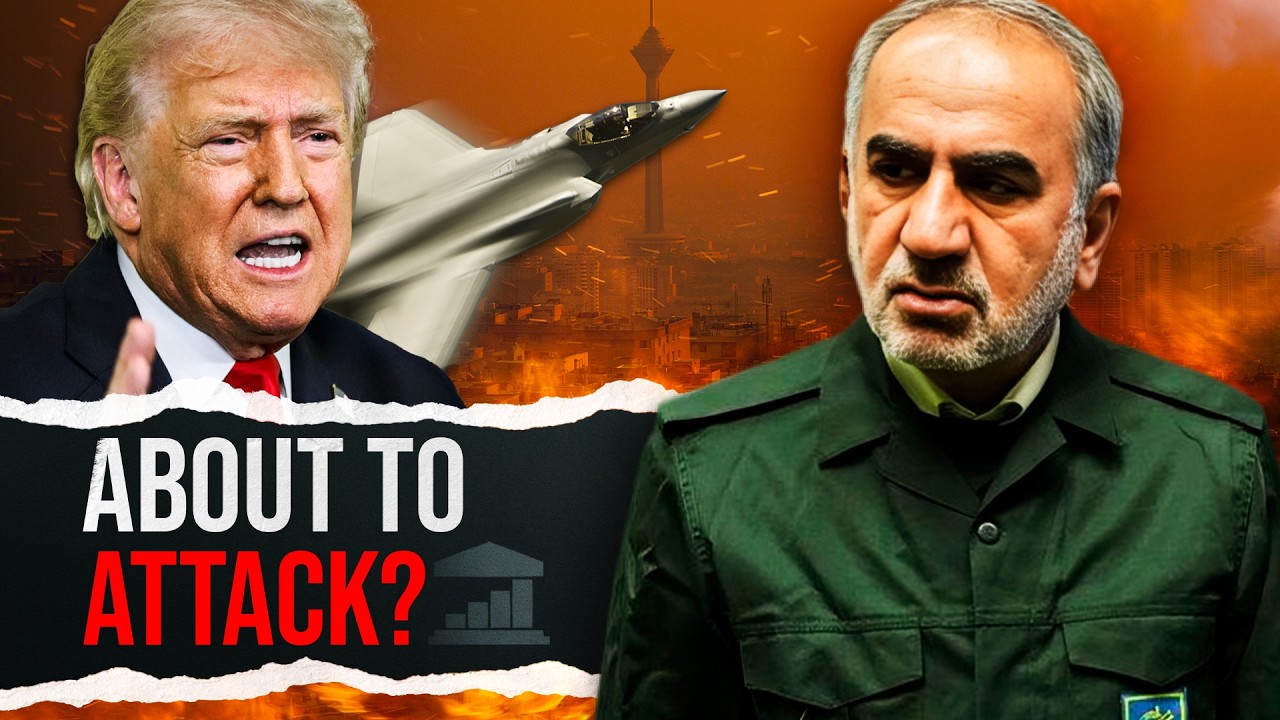
Strike fears rise over Iran
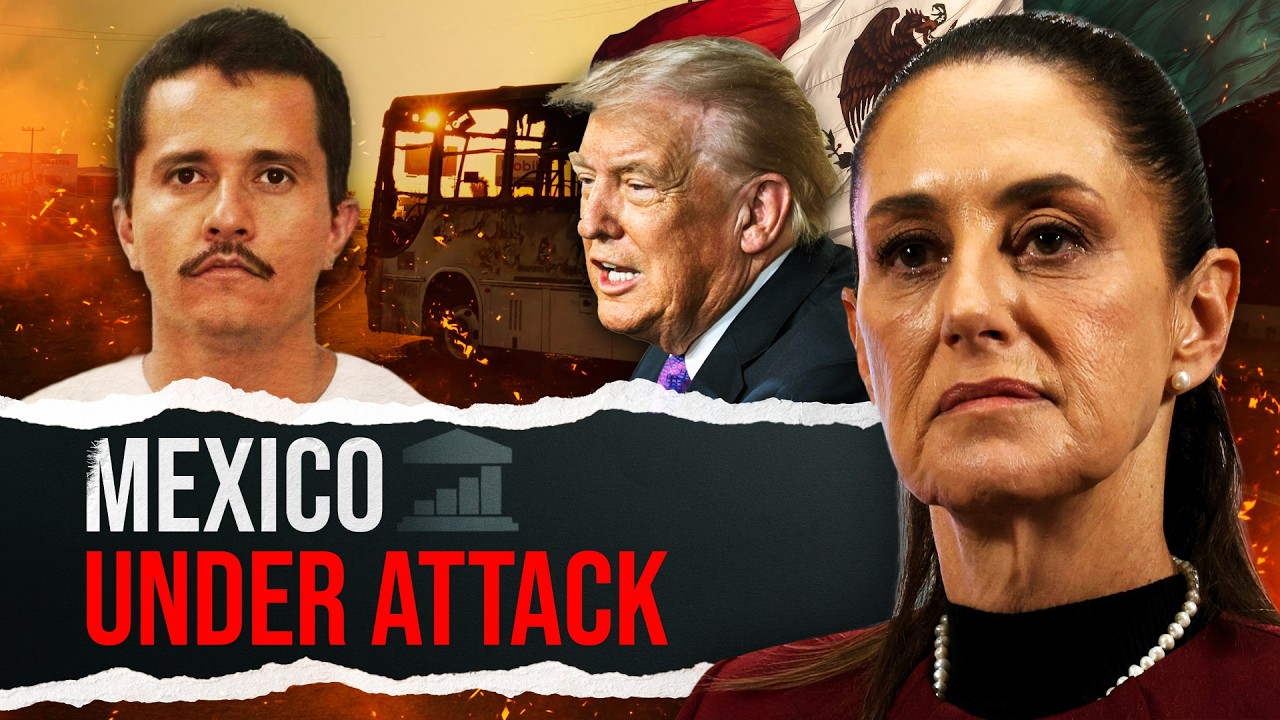
Mexico after El Mencho falls
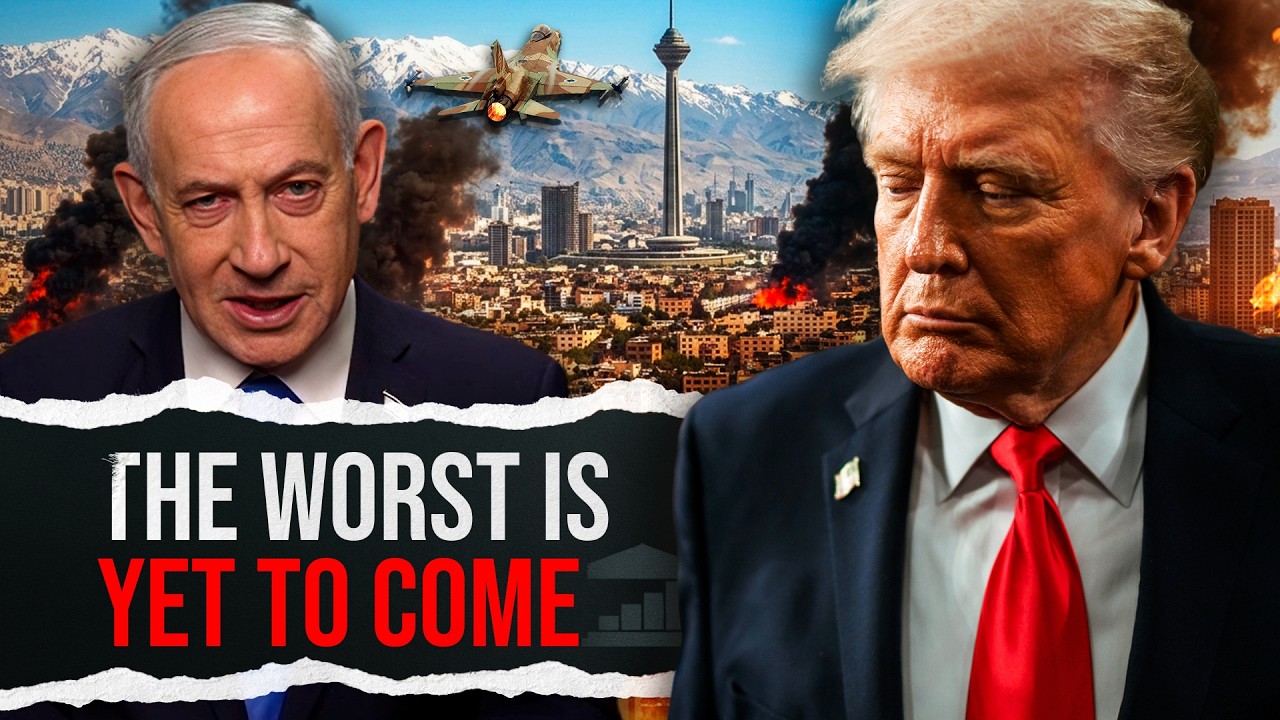
Iran's revenge rewired
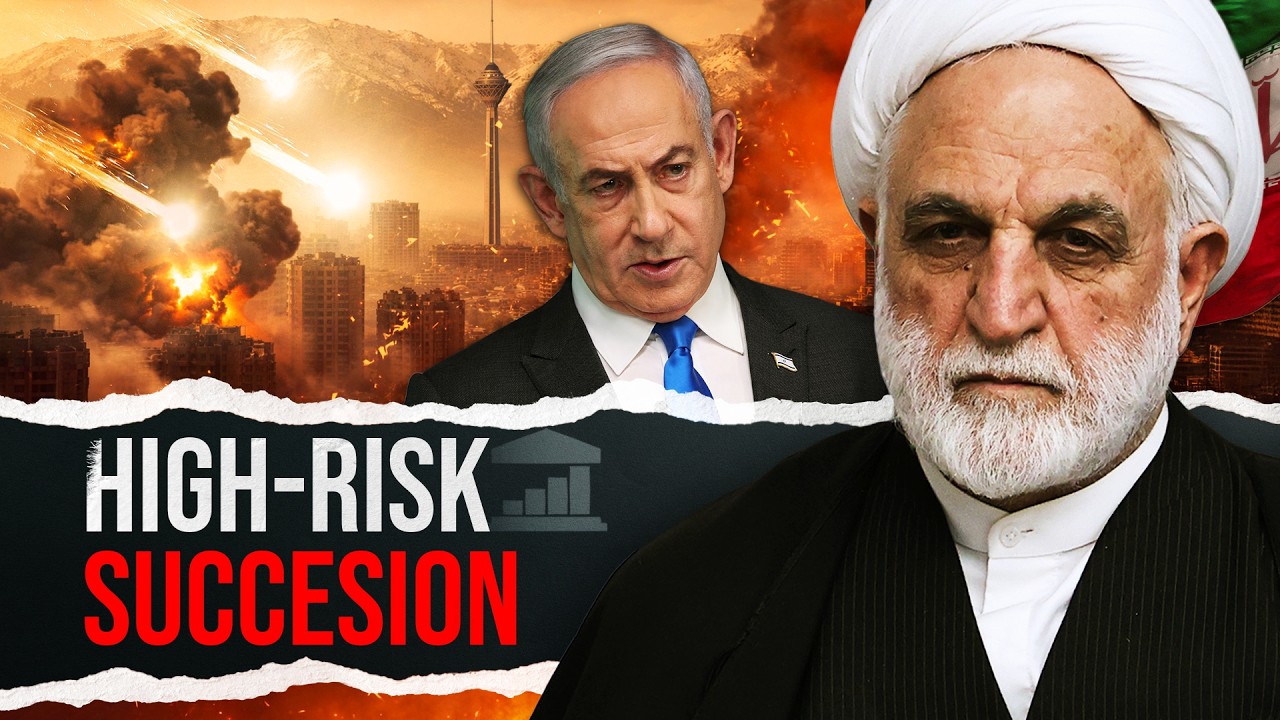
Israel presses Tehran
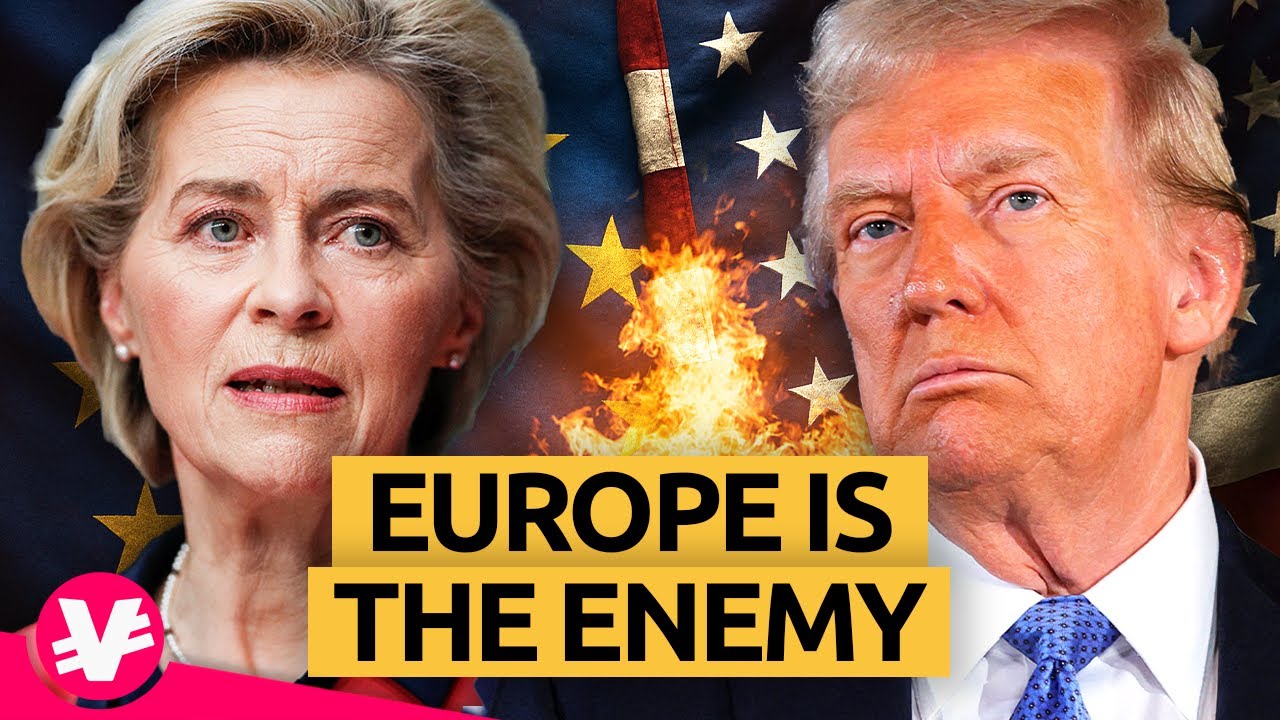
Trump’s 50% tariffs on europe
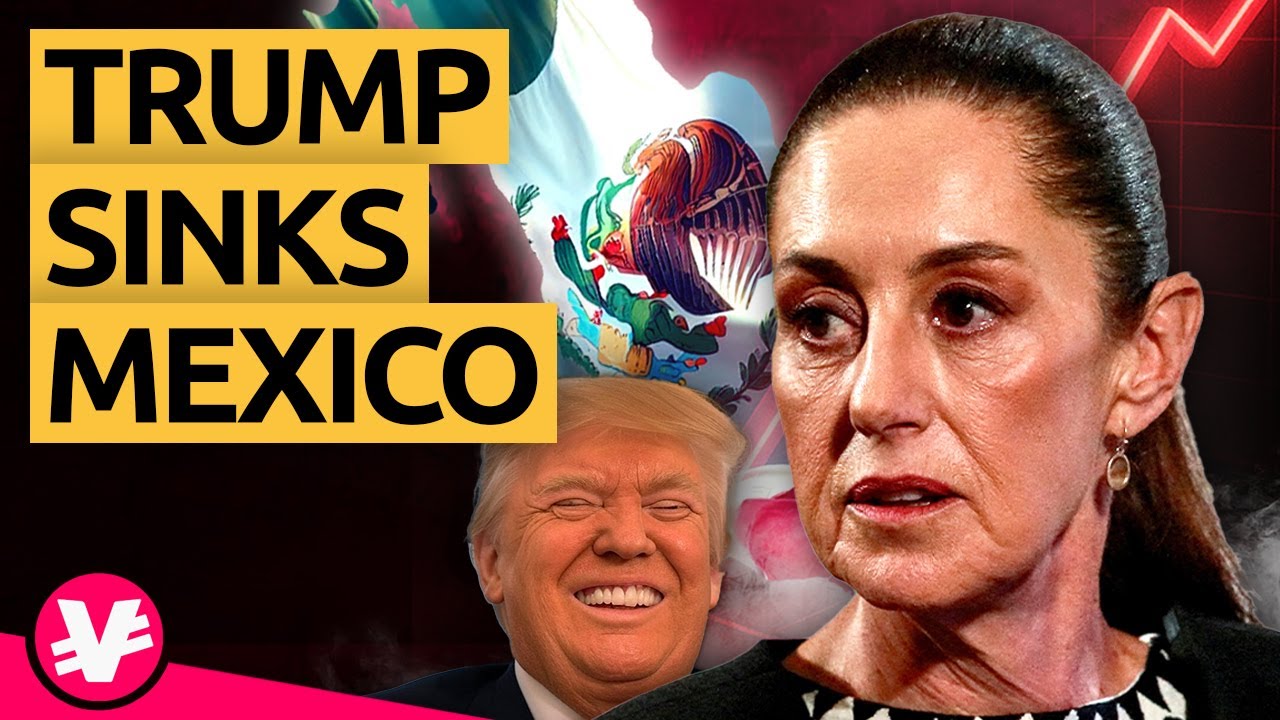
Trump's Tariffs Batter Mexico
Euro Challenges Dollar's Reign
US tariff dispute: No winner
Zelensky's trap for Putin