-
 US Fed expected to keep rates steady as Iran war impact looms
-
Two men in Kenyan court for ant-smuggling

-
 Cuba scrambles to restore power as Trump threatens takeover
-
War fuels fears of new oil crisis
-
 Kerr 'frustrated' at six-figure sum owed to him by Johnson's failed Grand Slam Track
-
Senior US counterterrorism official resigns to protest Iran war
-
 In shadow of Iran war, Gazans prepare for Eid
-
Oil prices climb as fresh strikes target infrastructure

-
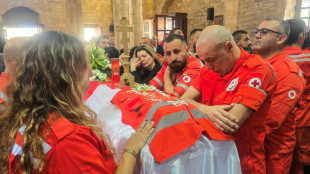 Southern Lebanon paramedics risk deadly Israeli strikes to do their work
-
Len Deighton, spy novelist who created the anti-Bond

-
 Barca Flick's 'last job' but not yet certain on renewal
-
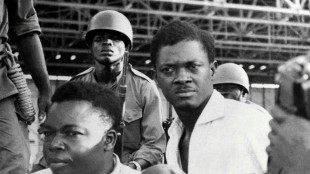
Belgian diplomat ordered to stand trial over 1961 Congo leader murder
-
 Pope says idea England 'weren't fussed' about the Ashes was tough to take
-
War threatens Gulf's dugongs, turtles and birds

-
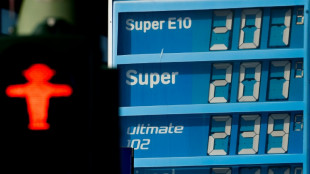 Germany targets oil firms to prevent wartime price gouging
-
Chelsea striker Kerr sends Australia into Asian Cup final

-
 'East meets West': KPop Demon Hunters brings global fans to Seoul's sites
-
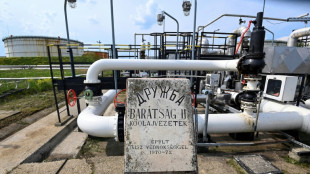
EU to help reopen blocked oil pipeline in Ukraine
-
 Thai eSports players sentenced over SEA Games cheating scandal
-
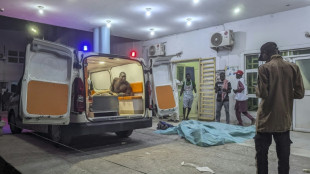
Nigeria suicide bombings kill 23, wound more than 100
-
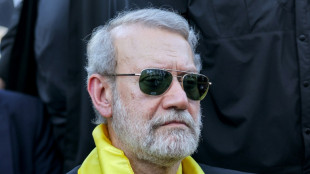 Iran's Larijani, the man whose power grew during Mideast war
-
Israel says killed Iran national security chief Larijani
-
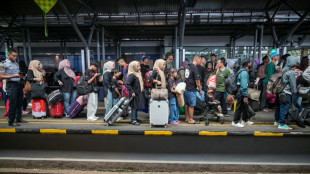 Millions of Indonesians in Eid travel exodus
-
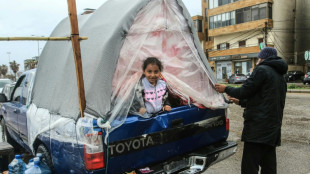
Israel strikes Beirut suburbs as displacement shelters overflow
-
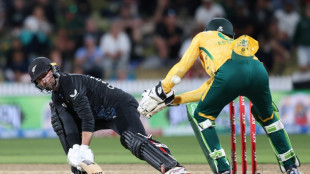 Hard-hitting Conway steers New Zealand to victory over South Africa
-
During Ramadan, Senegal's Baye Fall community lives to serve
-
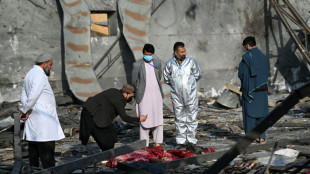 Afghan govt says 'around 400' killed in Pakistani strike on Kabul rehab clinic
-
Russian ballet banned for 'gay propaganda' gets new life in Berlin

-
 Malaysia hit with 3-0 forfeits to send Vietnam to Asian Cup
-
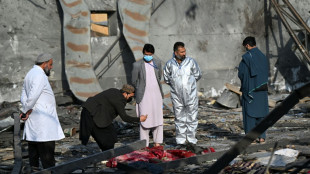
Rescue workers comb ruins of Kabul drug clinic after Pakistan strike
-
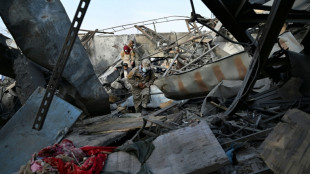 'Many dead': Wounded survivor escaped Kabul clinic strike
-
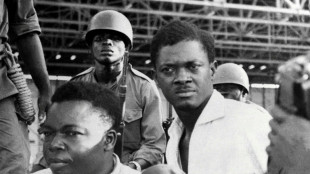
Belgian court decides on holding trial over 1961 Congo leader murder
-
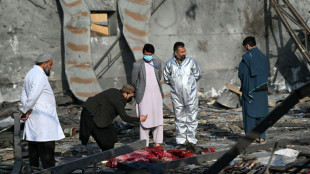 Kabul drug rehab clinic in ruins after Pakistan strikes on Afghanistan
-
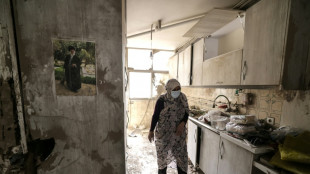
Israel strikes Tehran, Beirut as Iraq pulled deeper into Mideast war
-
 Georgia ready for rugby elite despite rare Portugal defeat
-
Doncic leads Lakers to sixth straight win, Spurs sink Clippers

-
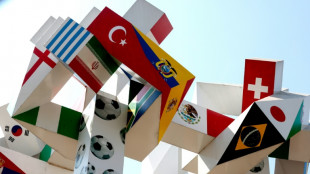 Iran 'negotiating' with FIFA over moving World Cup games to Mexico: embassy
-
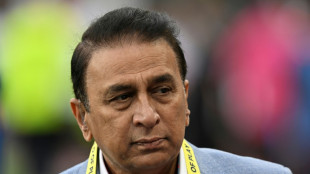
Gavaskar condemns Indian-owned franchise for signing Pakistan bowler
-
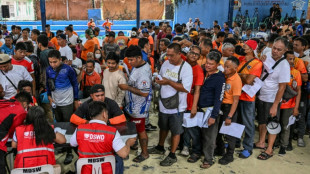 Cash handouts, fare hikes as Philippines battles soaring fuel costs
-
Alleged Bondi Beach killer's mother received death threats, court told

-
 Venezuela end Italy fairytale to reach World Baseball Classic final
-
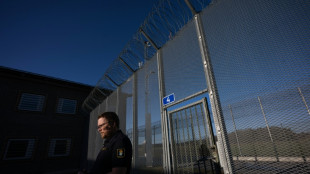
Sweden's prisons prepare to house young teens
-
 Indonesia weighs response to price pressures from Middle East war
-
In Hollywood, AI's no match for creativity, say top executives

-
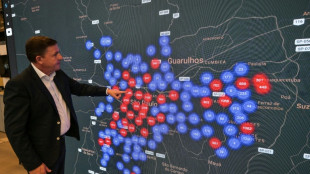 Sao Paulo AI policing nabs criminals, and a few innocents
-
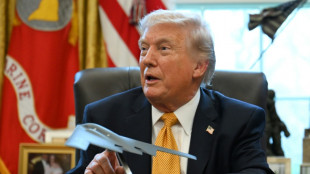
Trump faces coalition of the unwilling on Iran
-
 Nvidia chief expects revenue of $1 trillion through 2027
-
Nvidia making AI module for outer space

-
 Migrant workers bear brunt of Iran attacks in Gulf
-
Accidental Death Insurance Explained: Who Needs It?

Bolivia at breaking point
In recent months, Bolivia has lurched from crisis to crisis. Long queues at gas stations, sporadic road blockades, and clashes between rival political camps have fed fears of a broader internal conflict. A year after a failed military putsch shook La Paz, the country now faces a decisive political transition against the backdrop of a rapidly deteriorating economy. As of August 18, 2025, preliminary results point to an October 19 runoff that ends two decades of dominance by the ruling movement—an inflection point that could steer the country toward stabilization or push it closer to a dangerous spiral.
A political rupture with violent undertones
Bolivia’s governing bloc fractured into warring factions after the split between President Luis Arce and his onetime mentor, former president Evo Morales. That rift spilled into the streets this year: blockades, counter-mobilizations, and deadly confrontations were recorded in mining towns and highland corridors, with church leaders warning of a “spiral of violence.” Those tensions sit atop the still-raw memory of June 26, 2024, when armored vehicles briefly surrounded the presidential palace before the putsch collapsed and commanders were arrested.
The economic picture is grim. In January, a major rating agency cut Bolivia to CCC-, citing vanishing foreign-exchange buffers and looming external payments; by its estimate, the country faced around $110 million in Eurobond coupons this year with only about $47 million in liquid reserves at one point. Fuel imports—long subsidized—have repeatedly faltered, triggering national transport strikes, border disruptions, and days-long lines for gasoline and diesel. Inflation, once among South America’s lowest, surged to multi-decade highs through mid-2025.
A chronic dollar shortage has fractured the currency regime: while the official rate stayed near 6.96 bolivianos per dollar, a thriving parallel market developed. By late July the street rate hovered around 14 BOB per USD—stronger than its worst levels earlier in the year, but still far from the peg—underscoring lost confidence. As households and small firms struggled to access currency, some turned to crypto and informal finance as workarounds.
Gold and gas: lifelines with limits
To scrape together hard currency, authorities leaned on the country’s booming (and often opaque) gold trade, monetizing bullion to raise billions in fresh dollars—an emergency bridge, not a structural fix. Meanwhile, the gas engine that powered Bolivia for two decades has sputtered. Exports to Argentina ended in 2024 as output slumped, and in a symbolic reversal this year, Argentina began shipping Vaca Muerta gas through Bolivia toward Brazil using Bolivian pipelines—signaling how far the regional energy balance has shifted.
Why fears of wider conflict are not far-fetched
No single spark guarantees a slide into civil war, but several risk factors now overlap: factionalized parties with loyal street bases, pockets of armed actors and hardliners, a legitimacy fight around barred candidacies and court rulings, and an economy that can no longer cushion shocks with cheap fuel or a steady dollar supply. Independent monitors have recorded lethal violence tied to the intra-left feud, while civic leaders in blockaded towns report confrontations between residents, protesters, and security forces. Each new blockade erodes livelihoods, deepens scarcity, and shortens tempers—a classic recipe for escalation.
The runway to October—and what comes after
The first-round result has upended Bolivia’s political map: two opposition figures advanced and the ruling movement’s candidate finished far behind, all amid the worst macro stress in a generation. Whoever wins in October will inherit unpopular choices: rationalizing fuel subsidies, rebuilding reserves, restoring a functional FX market, and reviving the gas sector while speeding up transparent lithium and gold governance. Failure risks further shortages, more street battles over scarcity, and a dangerous normalization of political violence. Success demands a credible stabilization plan, broad buy-in from unions and regional elites, and early signals—like targeted cash transfers and a clear, time-bound subsidy path—to keep social peace while reforms bite.

How important is sustainable development?
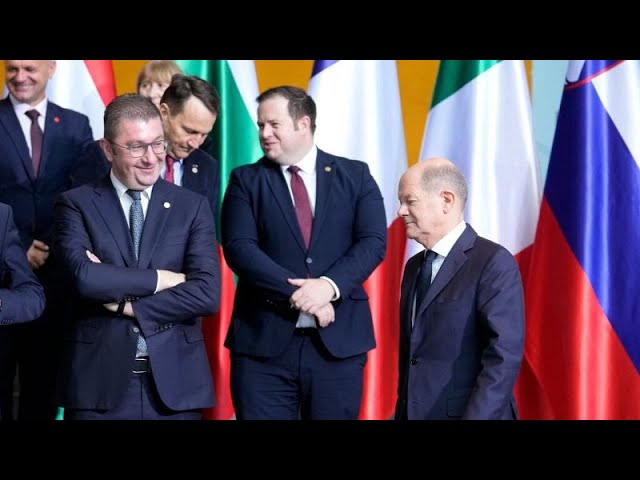
Berlin: EU-Summit of western Balkan heads of state
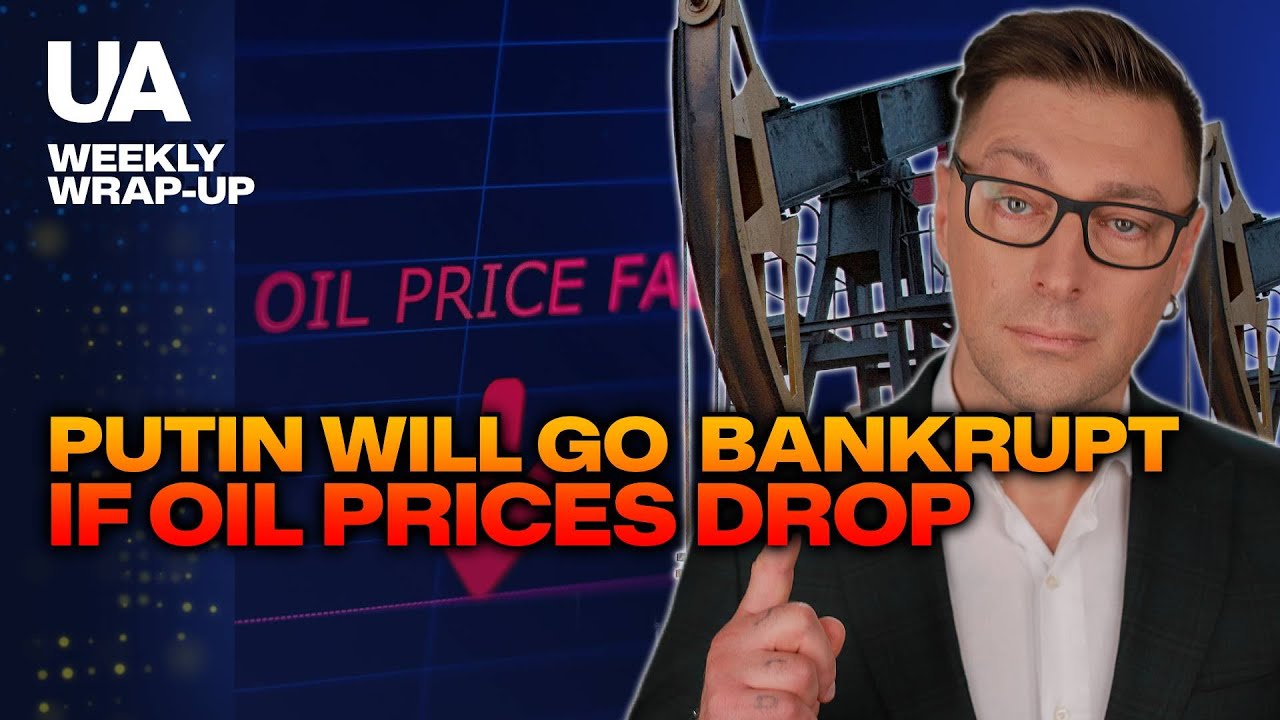
Putin's War Will Go Bankrupt if the Oil Prices Drop

Germany: The fight against economic migrants
Polish PM and the danger of asylum seekers
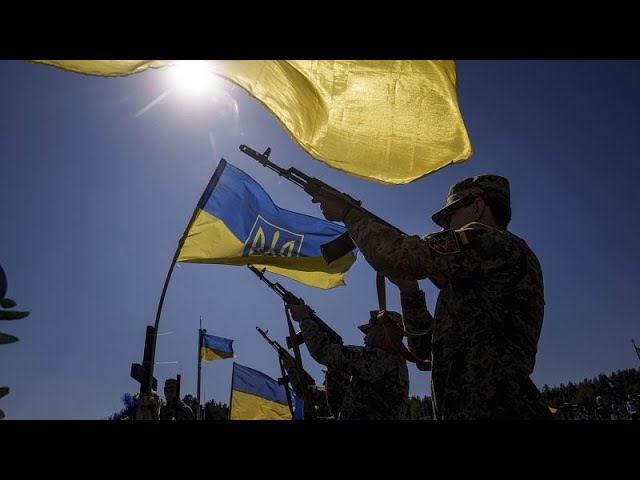
Ukraine: Recruiters searched Kyiv venues

EU: Austrian elections shake Establishment
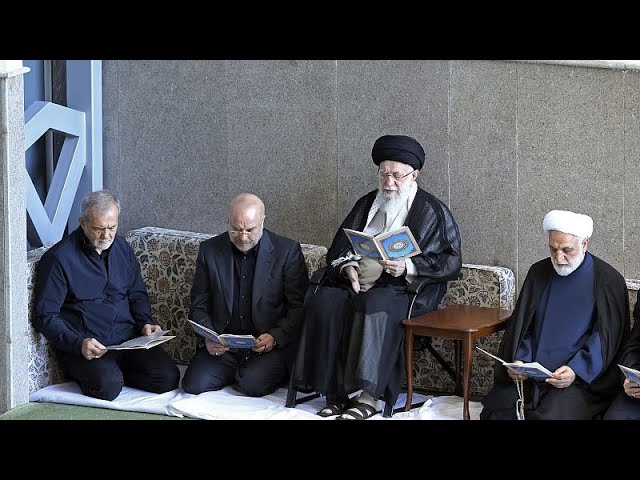
Terrorist state Iran: ‘We are ready to attack Israel again’
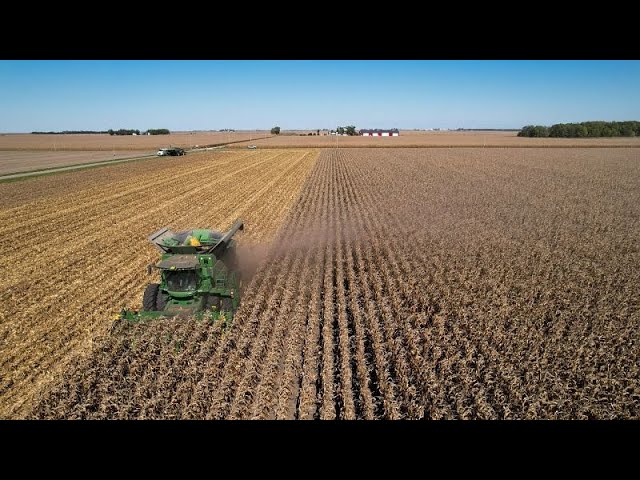
EU: Greenpeace warns of dying farms

EU: Tariffs on all Chinese electric Cars
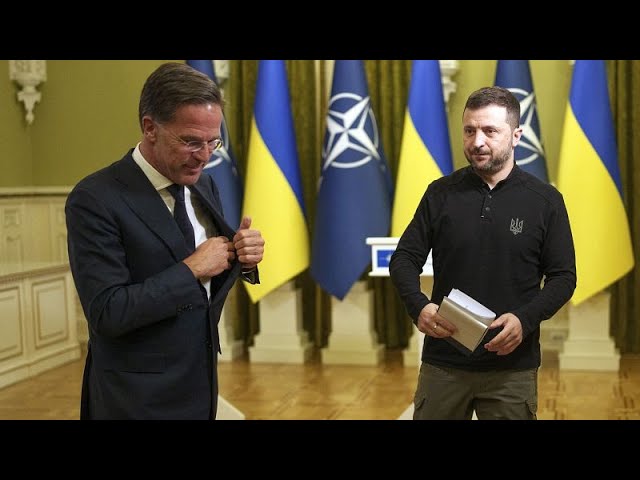
Zelenskyy: ‘What worked in Israel work also in Ukraine’