-
 Len Deighton, spy novelist who created the anti-Bond
-
Barca Flick's 'last job' but not yet certain on renewal

-
 Belgian diplomat ordered to stand trial over 1961 Congo leader murder
-
Pope says idea England 'weren't fussed' about the Ashes was tough to take

-
 War threatens Gulf's dugongs, turtles and birds
-
Germany targets oil firms to prevent wartime price gouging
-
 Chelsea striker Kerr sends Australia into Asian Cup final
-
'East meets West': KPop Demon Hunters brings global fans to Seoul's sites

-
 EU to help reopen blocked oil pipeline in Ukraine
-
Thai eSports players sentenced over SEA Games cheating scandal

-
 Nigeria suicide bombings kill 23, wound more than 100
-
Iran's Larijani, the man whose power grew during Mideast war
-
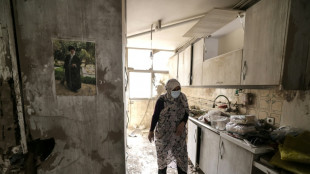 Israel says killed Iran national security chief Larijani
-
Millions of Indonesians in Eid travel exodus

-
 Israel strikes Beirut suburbs as displacement shelters overflow
-
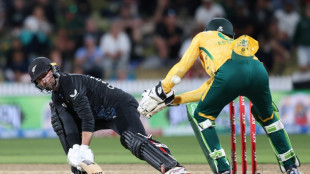
Hard-hitting Conway steers New Zealand to victory over South Africa
-
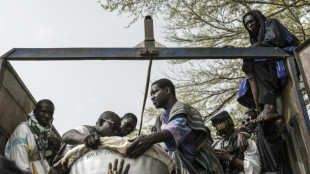 During Ramadan, Senegal's Baye Fall community lives to serve
-
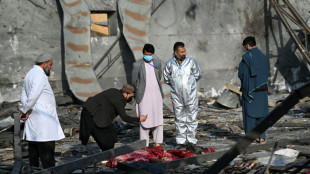
Afghan govt says 'around 400' killed in Pakistani strike on Kabul rehab clinic
-
 Russian ballet banned for 'gay propaganda' gets new life in Berlin
-
Malaysia hit with 3-0 forfeits to send Vietnam to Asian Cup
-
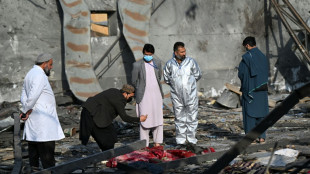 Rescue workers comb ruins of Kabul drug clinic after Pakistan strike
-
'Many dead': Wounded survivor escaped Kabul clinic strike
-
 Belgian court decides on holding trial over 1961 Congo leader murder
-
Kabul drug rehab clinic in ruins after Pakistan strikes on Afghanistan
-
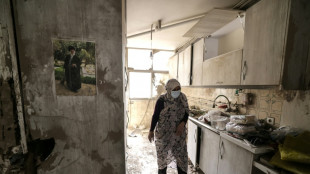 Israel strikes Tehran, Beirut as Iraq pulled deeper into Mideast war
-
Georgia ready for rugby elite despite rare Portugal defeat

-
 Doncic leads Lakers to sixth straight win, Spurs sink Clippers
-
Iran 'negotiating' with FIFA over moving World Cup games to Mexico: embassy

-
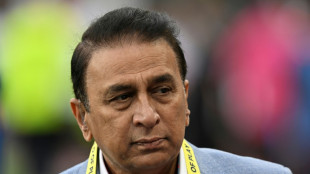 Gavaskar condemns Indian-owned franchise for signing Pakistan bowler
-
Cash handouts, fare hikes as Philippines battles soaring fuel costs

-
 Alleged Bondi Beach killer's mother received death threats, court told
-
Venezuela end Italy fairytale to reach World Baseball Classic final

-
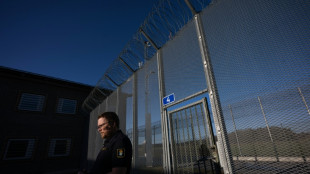 Sweden's prisons prepare to house young teens
-
Indonesia weighs response to price pressures from Middle East war
-
 In Hollywood, AI's no match for creativity, say top executives
-
Sao Paulo AI policing nabs criminals, and a few innocents

-
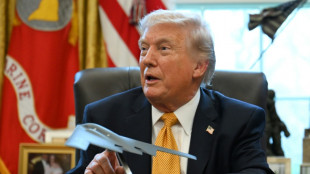 Trump faces coalition of the unwilling on Iran
-
Nvidia chief expects revenue of $1 trillion through 2027

-
 Nvidia making AI module for outer space
-
Migrant workers bear brunt of Iran attacks in Gulf

-
 A First-of-Its-Kind Video Game Based on Muslim Scientific Artifacts, Launching on March 20, 2026
-
Bank of San Francisco Executives to Present at Raymond James Economic & Strategy Seminar on March 19, 2026

-
 Ondas Acquires INDO Earth Moving Ltd. Following its $140 Million Strategic Procurement Tender Award for Military Heavy Engineering Platforms from a Major Military Customer
-
CXAI Launches AI-Powered Zero-Touch Campus Deployment Platform for Enterprise Workplaces

-
 Villa Marin Introduces "Villa Vitality," A Whole-Person Wellness Approach to Aging
-
Introducing Proda, the Lifestyle Protein-Infused Soda Launching Exclusively at Sprouts Farmers Market

-
 Field Data from Well Done Foundation Powers New Peer-Reviewed Study on Orphan Well Methane Emissions
-
Fintech Company OneEthos and Montgomery County Green Bank Launch New $4 million Clean Energy Financing Initiative

-
 Dolphin Subsidiary 42West Celebrates Oscar Win as "Mr. Nobody Against Putin" Takes Best Documentary Feature at the 98th Academy Awards
-
Ankle & Foot Centers Shares the Importance of Diabetic Foot Care
France's debt is growing
France is facing an unprecedented financial challenge. With public debt exceeding €3.2 trillion, representing more than 110% of gross domestic product (GDP), the eurozone's second-largest economy is on a dangerous path. The budget deficit is around 5.5% of GDP and is expected to rise to over 6% this year. These figures significantly exceed EU targets, which allow a maximum deficit of 3% and a debt ratio of 60% of GDP. The financial markets are becoming increasingly nervous, and interest rates on French government bonds are climbing to record levels. What has led to this debt chaos, and how can France avoid the looming abyss?
The roots of the crisis run deep. For decades, France has had a relaxed attitude towards debt, which differs from the strict budgetary discipline of other countries such as Germany. During the coronavirus pandemic and the energy crisis resulting from the war in Ukraine, the government pumped billions into the economy to support households and businesses. Subsidies for electricity prices and generous social benefits kept the economy stable but led to a sharp rise in debt. Since 2017, when President Emmanuel Macron took office, public debt has grown by almost one trillion euros. Critics accuse the government of delaying necessary structural reforms, while the government's spending ratio is just under 60% of GDP – one of the highest in the world.
The political situation is exacerbating the crisis. Following early parliamentary elections in the summer of 2024, parliament is fragmented and majorities are difficult to form. Prime Minister François Bayrou, who has been in office since autumn 2024, has presented an ambitious austerity programme to reduce the deficit to below 3% by 2029. The measures include the abolition of two public holidays, a freeze on pensions and social benefits, the elimination of 3,000 civil service jobs and higher taxes on high incomes. However, these plans are meeting with fierce resistance. The right-wing nationalist party Rassemblement National and left-wing parties are threatening votes of no confidence, which could bring down Bayrou's government. His predecessor, Michel Barnier, was forced to resign after only three months in office when his draft budget failed.
The financial markets are watching the situation with suspicion. Interest rates on French government bonds are now exceeding those of Greece in some cases, which is an alarming sign. France spends around 50 billion euros a year on debt servicing alone, and the trend is rising. Experts warn that this figure could climb to between 80 and 90 billion euros by 2027, making investment in education, infrastructure and climate protection virtually impossible. Rating agencies such as S&P and Moody's still rate France's creditworthiness as solid, but have threatened downgrades if the deficits are not reduced.
The crisis also has European dimensions. France is systemically important for the eurozone, and an uncontrolled rise in debt could jeopardise the stability of the single currency. Unlike the Greek debt crisis in 2008, when rescue funds were used, a bailout package for France would be almost impossible to finance. The EU has launched disciplinary proceedings against France to exert pressure for budget consolidation, but political instability is hampering reforms.
What can France do? Bayrou's austerity plans are a first step, but their implementation is uncertain. Tax increases are politically sensitive, as France already has one of the highest tax rates in Europe. Spending cuts could slow economic growth, which is just over 1% this year. At the same time, experts are calling for structural reforms to increase productivity and reduce dependence on the public sector. Without clear political majorities, there is a risk that France will slide further into debt.
Citizens are already feeling the effects of the crisis. Strikes and protests against austerity measures are on the rise, and social tensions are running high. Many French people feel caught between high living costs and impending cuts. The government faces the challenge of regaining credibility without losing the trust of the markets or the population.
A way out of the debt chaos requires courage and a willingness to compromise. Bayrou has described the situation as ‘the last stop before the abyss.’ Whether France can overcome this crisis depends on whether politicians and society are prepared to make tough decisions. Time is pressing, because the financial markets will not tolerate any further delays. France is at a crossroads – between reform and risk.
Vladimir Putin, War criminal and Dictator of Russia
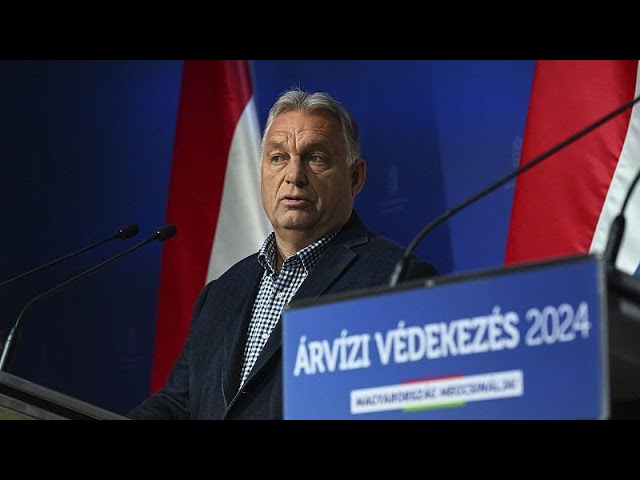
EU vs. Hungary: Lawsuit over ‘national sovereignty’ law
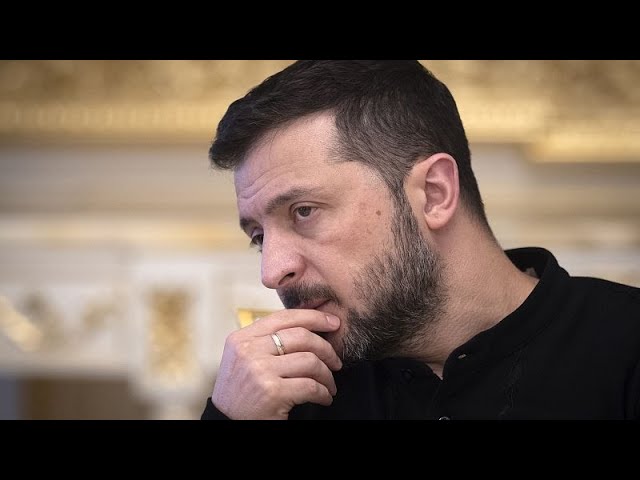
Ukraine: Zelenskyy appeals for international aid
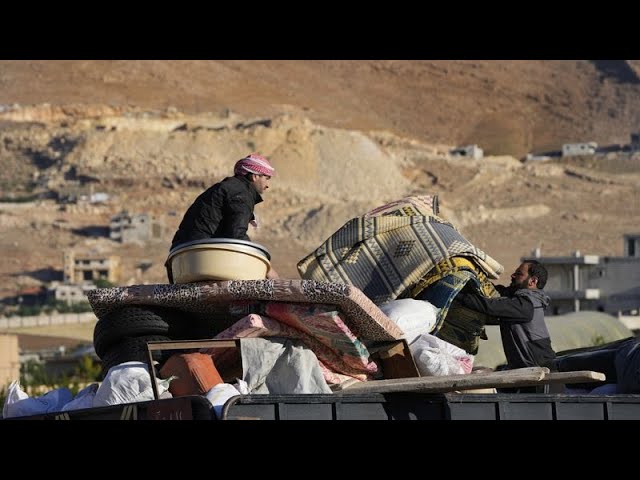
Lebanon: Is a new wave of refugees coming to the EU?

Terrorist state Iran attacks Israel with missiles
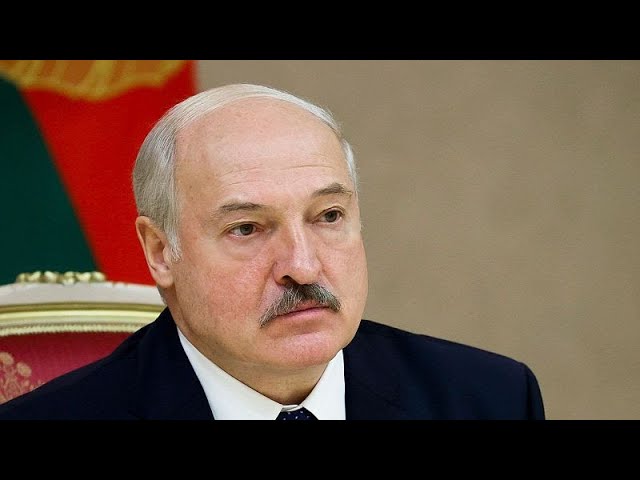
Belarus: ICC investigates dictator Lukashenko
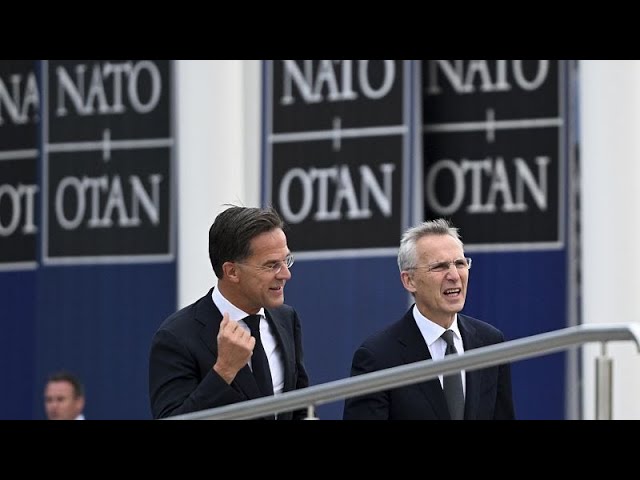
NATO: Ukraine ‘at the top of the list!’
NATO is training to fight cyber attacks

Digital Ocean Twin: Protecting the Oceans

What is the outlook for France’s economy?
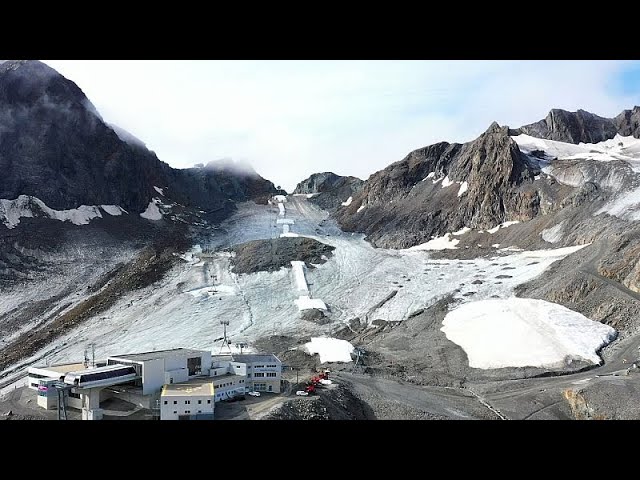
How melting Alpine glaciers affect valleys