What is Business Equipment Financing: New Equipment Financing Guide Released

 Major earthquake rocks Panama, triggers tsunami warning

 Indian jailed in France for leading sadist Nazi cult that tortured girls

 'Iron Mike' Ditka hailed as 'gold standard' NFL legend

 Flydubai co-pilot planned suicide attack on Tel Aviv airport: UAE prosecutor

 Mike Ditka: Chicago Bears icon as player and coach

 Outrage over plan to livestream US military firing squad execution

 US sanctions: a 'test of resilience' for ICC

 NFL legend Mike Ditka dead at 86

 Hurricane Isaias set to strike Gulf Coast late Friday

 Trump forms panel to probe US Fed governor Lisa Cook

 Clashes in Durban as fresh anti-migrant riots erupt in South Africa

 France students plan more protests, UN 'concerned' over violence

 De Zerbi calls on struggling Spurs to react in Man Utd clash

 US sanctions on ICC: a 'test of resilience'

 Outrage over US military plan to livestream firing squad execution

 Argentina snap up defence guru Edwards ahead of World Cup

 BMW pulls car lease offer from German far-right politician

 Brazil election offers Jair Bolsonaro a shot at revenge

 Man Utd boss Carrick 'personally' affected by Man City verdict

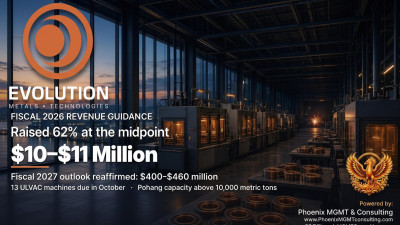 Evolution Metals & Technologies Corp. Raises Fiscal 2026 Revenue Guidance 62% at Midpoint to $10–$11 Million and Reaffirms $400–$460 Million Fiscal 2027 Outlook

 Red Bull's Verstappen takes pole position for Singapore GP sprint race

 Chelsea star Palmer 'committed' to England insists Alonso

 OpenAI denies firing researchers over AI safety warnings

 Turkey warns opposition, press over investment fund crisis

 Hurricane Isaias now major storm as it heads to US Gulf Coast

IRAempire has released a new and updated guide on business equipment financing to help entrepreneurs and business owners understand this critical aspect of raising funds for their enterprise.
SAN DIEGO, CALIFORNIA / ACCESS Newswire / February 10, 2026 / For most businesses, having the right tools and machinery is essential to growth. Whether you run a construction company that needs new heavy equipment, a medical practice upgrading diagnostic machines, or a small office investing in computers, equipment purchases can require significant upfront capital. That's where business equipment financing becomes a smart solution.
Business equipment financing allows companies to acquire the machinery, technology, or tools they need without paying the full cost upfront. Instead of draining cash reserves, businesses can spread the cost over manageable monthly payments while using the equipment to generate revenue immediately.
Learn About the Best Business Equipment Financing Company
Michael Hunt, Senior Writer at IRAEmpire says, "This type of financing has become increasingly popular among startups, small businesses, and even large enterprises because it offers flexibility, predictable expenses, and potential tax benefits. However, choosing the right financing structure requires understanding how it works, what options are available, and which approach fits your business goals."
See Which Companies Offer the Best Equipment Financing in the US
What is Business Equipment Financing?
Business equipment financing is a type of funding that allows companies to purchase or lease essential equipment without paying the full cost upfront. Instead of making a large one-time payment, businesses borrow money specifically to acquire machinery, vehicles, technology, or other tools needed for operations and repay the amount over time.
Unlike general business loans, equipment financing is designed exclusively for purchasing tangible assets. The equipment itself usually serves as collateral for the loan, which makes this form of financing easier to qualify for compared to unsecured loans.
How Equipment Financing Works
In a typical equipment financing arrangement:
A business selects the equipment it wants to purchase.
The lender evaluates the borrower's creditworthiness and business profile.
If approved, the lender provides funds directly to the equipment vendor.
The business receives the equipment and begins using it immediately.
The loan is repaid through fixed monthly installments over an agreed period.
Once the loan is fully paid off, the business owns the equipment outright.
Equipment Financing vs Equipment Leasing
Many business owners confuse financing with leasing. The key difference lies in ownership:
Equipment Financing: You purchase the equipment and eventually own it.
Equipment Leasing: You rent the equipment for a fixed term and may or may not have the option to buy it later.
Financing is usually better for long-term use, while leasing is ideal for equipment that needs frequent upgrades.
Industries That Commonly Use Equipment Financing
Business equipment financing is widely used across multiple industries, including:
Construction companies purchasing heavy machinery
Healthcare providers acquiring medical devices
Transportation businesses buying vehicles
Restaurants upgrading kitchen equipment
Manufacturers investing in production machinery
IT firms purchasing servers and hardware
In short, any business that relies on expensive physical assets can benefit from equipment financing.
A Simple Example
Imagine a small logistics company that needs a delivery truck costing ₹25 lakhs. Instead of paying the full amount upfront, the company finances the truck over five years with monthly payments. The truck starts generating revenue immediately, while the cost is spread out over time-making the purchase affordable and practical.
Learn about the Top Equipment Financing Company in the US
How Business Equipment Financing Works
Understanding how business equipment financing works can help you make better financial decisions and choose the right option for your company. While the exact process may vary slightly between lenders, the basic structure remains the same.
Step-by-Step Process of Equipment Financing
Here is how a typical equipment financing transaction works:
1. Identify the Equipment You Need
The process begins when a business determines what equipment it wants to purchase-such as machinery, vehicles, computers, or specialized tools.
You'll usually need:
A quote from the vendor
Equipment specifications
Estimated cost and delivery timeline
2. Choose a Lender and Apply
Once you know what you want to buy, you apply for financing through a bank, online lender, or equipment financing company.
Most lenders will evaluate:
Business credit score
Time in business
Annual revenue
Cash flow
Value of the equipment being purchased
3. Approval and Loan Offer
If the lender approves your application, they will present an offer that includes:
Loan amount
Interest rate
Repayment term
Monthly payment
Any additional fees
At this stage, you can compare offers from multiple lenders to find the best deal.
4. Funding the Equipment Purchase
After you accept the terms, the lender usually pays the equipment vendor directly. This ensures that the funds are used specifically for the intended asset.
5. Repayment Period Begins
Once the equipment is delivered and in use, you begin making fixed monthly payments according to the loan agreement. Payments typically include:
Principal
Interest
Any applicable taxes or fees
At the end of the term, you fully own the equipment.
Typical Loan Structures
Equipment financing loans are generally structured as:
Fixed-rate loans: Monthly payments remain the same throughout the term
Variable-rate loans: Interest rates may change over time
Short-term financing: 1-3 years
Long-term financing: 5-7 years or more
The term length usually depends on the expected lifespan of the equipment.
Learn More on How to Get Business Equipment Financing
Interest Rates and Repayment Terms
Interest rates for equipment financing vary based on several factors:
Borrower's credit profile
Type and age of equipment
Loan amount
Industry risk
Length of repayment
Well-qualified businesses may receive rates as low as 6-8%, while newer or riskier businesses may see rates of 12-20% or more.
Collateral in Equipment Financing
Michael shares, "One of the biggest advantages of equipment financing is that the equipment itself acts as collateral. This reduces the lender's risk and makes approvals easier compared to unsecured business loans."
If a borrower defaults, the lender can repossess the equipment to recover losses.
Why This Model Works So Well
Equipment financing is popular because it creates a win-win situation:
Businesses get immediate access to necessary tools
Lenders have built-in collateral
Payments are predictable
Cash flow is preserved
This makes equipment financing one of the most practical and accessible funding options for growing businesses.
Check if You Can Get Equipment Financing
Types of Business Equipment Financing
Not all equipment financing works the same way. Depending on your business needs, budget, and long-term goals, there are several different financing options available. Understanding these options will help you choose the most suitable structure for your situation.
Equipment Loans
An equipment loan is the most common form of business equipment financing. In this model, a lender provides funds specifically to purchase equipment, and the business repays the loan over time with interest.
Key Features of Equipment Loans:
The equipment serves as collateral
Fixed monthly payments
Ownership transfers to the business after repayment
Terms typically range from 1 to 7 years
Interest rates depend on creditworthiness
Best For:
Businesses that want to own equipment long-term and plan to use it for many years.
Learn More About the Top Equipment Financing Company in USA
Equipment Leasing
Equipment leasing allows businesses to use equipment without actually owning it. Instead of taking a loan, the business pays a monthly fee to "rent" the equipment for a fixed period.
There are two main types of leases:
Operating Lease
Shorter-term arrangement
Lower monthly payments
Equipment is returned at the end of the term
Ideal for technology or equipment that becomes outdated quickly
Capital Lease (Finance Lease)
Longer-term arrangement
Higher payments
Option to purchase at the end
Treated more like ownership for accounting purposes
Best For:
Businesses that need flexibility or frequently upgrade equipment.
SBA Equipment Financing
The U.S. Small Business Administration (SBA) offers government-backed loan programs that can be used for equipment purchases.
Common SBA options include:
SBA 7(a) loans - Flexible funding for equipment and other business needs
SBA 504 loans - Specifically designed for major equipment and real estate purchases
Benefits of SBA Equipment Financing:
Lower interest rates
Longer repayment terms
Easier qualification compared to traditional bank loans
Best For:
Established businesses looking for affordable, long-term financing.
Equipment Line of Credit
An equipment line of credit provides businesses with a revolving credit limit that can be used to purchase multiple pieces of equipment over time.
Instead of applying for a new loan each time, you can draw funds as needed.
Advantages:
Flexible borrowing
Pay interest only on what you use
Ideal for businesses with ongoing equipment needs
Best For:
Companies that regularly purchase tools, machinery, or technology.
Vendor or Manufacturer Financing
Many equipment suppliers offer in-house financing options directly to customers.
This is known as vendor financing.
Common Features:
Fast approvals
Promotional interest rates
Bundled purchase and financing process
Sometimes vendors offer:
0% interest promotions
Deferred payments
Seasonal payment plans
Best For:
Businesses purchasing equipment from large manufacturers or dealerships.
Which Type is Right for You?
The best option depends on several factors:
Do you want to own or lease the equipment?
How long will you use it?
How strong is your credit profile?
Do you need one asset or ongoing purchases?
For long-term, high-value equipment, traditional equipment loans or SBA financing often make the most sense. For short-term or frequently updated assets, leasing may be the better route.
What Can Be Financed Through Equipment Financing?
One of the biggest advantages of business equipment financing is its flexibility. Almost any physical asset that a business needs to operate, grow, or improve efficiency can potentially be financed.
Here are the most common categories of equipment that lenders are willing to fund:
1. Machinery and Industrial Equipment
Manufacturing and production businesses often rely on expensive machinery that can cost lakhs or even crores of rupees. Equipment financing makes these purchases manageable.
Examples include:
CNC machines
Printing presses
Assembly line equipment
Packaging machines
Textile machinery
Food processing units
This type of equipment is ideal for financing because it has long-term value and clear business use.
2. Vehicles and Transportation Equipment
Many businesses need vehicles for daily operations, and these can be easily financed.
Common examples:
Delivery trucks
Commercial vans
Construction vehicles
Forklifts
Trailers
Company cars
Transportation equipment is one of the most frequently financed assets because it directly generates revenue.
3. Medical and Healthcare Equipment
Hospitals, clinics, and diagnostic centers often use equipment financing to acquire advanced medical devices such as:
MRI and CT scanners
X-ray machines
Ultrasound systems
Dental chairs
Laboratory equipment
Surgical tools
Since medical equipment is expensive but essential, financing is extremely popular in the healthcare industry.
4. Technology and IT Equipment
Modern businesses rely heavily on technology, and equipment financing can cover:
Computers and laptops
Servers and networking hardware
POS systems
Data storage systems
Cybersecurity infrastructure
Technology becomes outdated quickly, which is why many businesses choose leasing for IT equipment.
5. Office Furniture and Fixtures
Even basic business necessities can be financed, including:
Desks and chairs
Conference room setups
Workstations
Storage units
Office renovation equipment
This helps startups and growing businesses set up professional workspaces without heavy upfront costs.
6. Construction and Heavy Equipment
Construction companies are among the largest users of equipment financing.
Commonly financed items include:
Excavators
Cranes
Bulldozers
Concrete mixers
Drilling machines
Power generators
These assets are high-value and perfect candidates for long-term financing.
7. Restaurant and Hospitality Equipment
Restaurants and hotels often finance:
Commercial kitchen appliances
Refrigeration systems
Ovens and grills
Coffee machines
Laundry equipment
This allows new businesses to launch without massive upfront investments.
8. Specialized Industry Tools
Any specialized tools essential to a trade can also be financed, such as:
Salon and beauty equipment
Gym and fitness machines
Agricultural machinery
Audio/video production gear
Check the Reviews of the Best Equipment Financing Company in the US
Can Intangible Assets Be Financed?
In most cases, equipment financing is meant for tangible physical assets. However, some lenders may allow:
Software financing
Installation costs
Training related to the equipment
These are usually bundled along with the main equipment purchase.
General Rule of Thumb
If an asset:
Has clear business use
Holds resale value
Is essential for operations
...it can usually be financed through equipment financing.
Key Benefits of Business Equipment Financing
Business equipment financing is more than just a way to buy machinery-it is a strategic financial tool that helps companies grow without putting stress on their cash reserves. Here are the biggest advantages that make equipment financing a popular choice for businesses of all sizes.
1. Preserves Cash Flow
One of the most important benefits of equipment financing is that it protects your working capital.
Instead of spending a large lump sum on equipment, you can:
Keep cash available for payroll
Manage day-to-day expenses
Invest in marketing and growth
Handle emergencies more easily
Financing turns a major expense into affordable monthly payments.
2. Immediate Access to Essential Equipment
With financing, you don't need to wait months or years to save up for expensive tools.
You can:
Purchase equipment right away
Start using it immediately
Generate revenue from day one
This is especially valuable for growing businesses that need new equipment to take on more clients.
3. Easier Approval Than Traditional Loans
Because the equipment itself serves as collateral, equipment financing is generally:
Less risky for lenders
Easier to qualify for
Faster to approve
Even businesses with limited credit history often have better chances of approval compared to unsecured business loans.
4. Predictable Monthly Expenses
Equipment financing usually comes with:
Fixed interest rates
Fixed repayment terms
Stable monthly installments
This makes budgeting easier and allows businesses to plan finances with confidence.
5. Tax Advantages
Equipment financing can offer significant tax benefits.
Depending on your location and tax laws, you may be able to:
Deduct interest payments
Claim depreciation
Use incentives like Section 179 deductions (in the U.S.)
These benefits can reduce the overall cost of ownership. It's always wise to consult an accountant to maximize tax savings.
6. Builds Business Credit
Making timely payments on an equipment loan helps establish and improve your company's credit profile.
Over time, this can:
Increase your credit score
Improve eligibility for larger loans
Help secure better interest rates in the future
Equipment financing is often a stepping stone to bigger financing opportunities.
7. Flexible Financing Options
Businesses can choose from multiple structures such as:
Loans
Leases
Lines of credit
Vendor financing
This flexibility allows you to tailor financing to your exact needs and budget.
8. Ability to Upgrade and Scale
Financing enables businesses to:
Purchase higher-quality equipment
Upgrade outdated machinery
Expand operations faster
Rather than settling for cheaper tools due to budget limits, you can invest in better assets that improve productivity.
9. Matches Cost With Revenue
Equipment financing aligns payments with the income the equipment generates.
For example:
A financed delivery truck earns revenue every month
Those earnings help cover the loan payments
This makes financing a practical and sustainable approach.
Learn How to Get Equipment Financing
About IRAEmpire.com
IRAEmpire.com provides unbiased research, rankings, and educational resources to help Americans make informed decisions about Gold IRAs, precious metals, and retirement planning. Our mission is to offer transparent, data-driven guidance so investors can confidently protect and diversify their wealth with trusted gold investment companies across the United States.
Contact:
Ryan Paulson
[email protected]
SOURCE: IRAEmpire LLC
View the original press release on ACCESS Newswire
T.Sanchez--AT