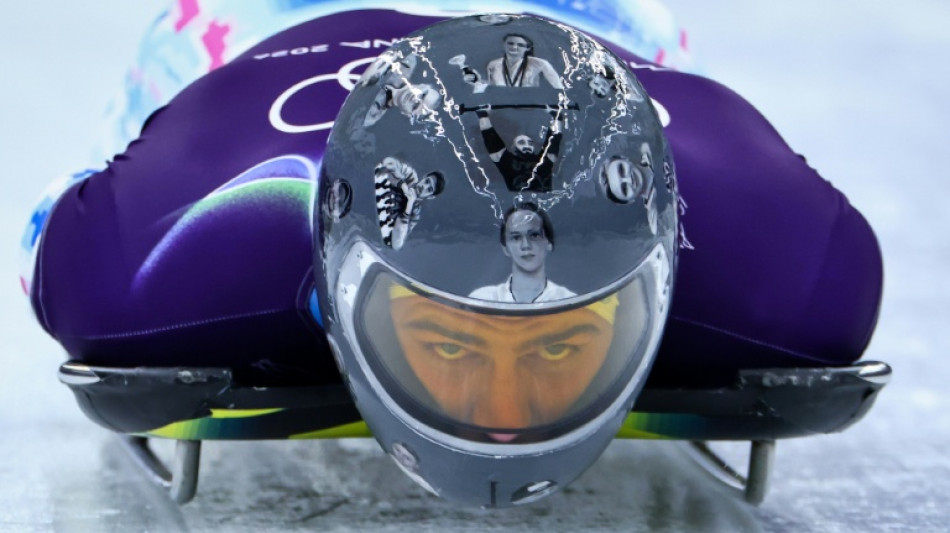
Olympic chiefs let Ukrainian athlete wear black armband at Olympics after helmet ban / Photo: FRANCK FIFE - AFP

 Mohammed bin Rashid on Learning Speed and Civilizational Progress
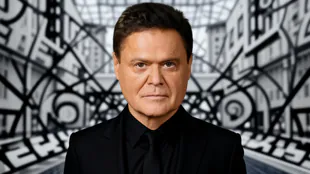 'My Name Was Poison': Donny Osmond on Fame, Failure, and Michael Jackson
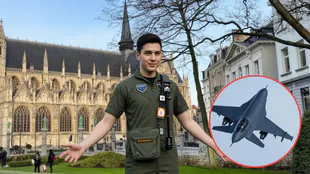
 Trump HUD Rule Bars Mixed-Status Families from Federal Housing in California
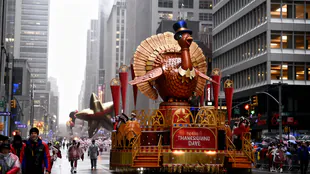
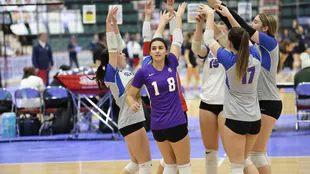 South Glens Falls Volleyball Season Ends at NYS Class A Tournament
 How to Balance Saving Money for the Future and Enjoying the Present

 Guardian Metal Resources PLC Announces Notice of AGM
 From On-Site Assembly to Integrated Deployment How Outdoor Routers Simplify Equipment Connectivity

 Trifecta Gold to Re-Focus on Mt. Hinton With Non-Dilutive Financing
 Banyan Intersects 1.67 g/t Au over 32.2 metres in the Airstrip-Powerline Gap at AurMac, Yukon
 Brennen Johnson on Spiritual Mandate, Heritage, and the Responsibility of the Gifted
The International Olympic Committee on Tuesday allowed a Ukrainian skeleton racer to wear a black armband after banning his helmet that features pictures of Ukrainian sportspeople killed in the war with Russia.
Ukrainian President Volodymyr Zelensky had defended Vladyslav Heraskevych's right to wear the helmet, which carries pictures of dead Ukrainian sportsmen and women killed since Russian forces invaded in 2022, at the Milan-Cortina Games.
IOC spokesperson Mark Adams said on Tuesday the helmet contravened rules about political symbols at the Olympics but said it would "make an exception to the guidelines to allow him to wear a black armband during competition to make that commemoration".
Gestures of a political nature during competition have been forbidden since 2021 under article 50 of the Olympic Charter, although athletes are permitted to express their views in press conferences and on social media.
Adams added: "The IOC fully understands the desire of athletes to remember friends or colleagues who have lost their lives in that conflict.
"I think what we've tried to do is to address his desires with compassion and understanding.
"We will not stop him expressing himself in press conferences, as he leaves competition, in the mixed zone (where competitors talk to journalists) and elsewhere, and we feel that this is a good compromise in the situation."
Heraskevych, who was one of Ukraine's two flag bearers in the opening ceremony of the Games, said the decision to ban his helmet "simply breaks my heart".
He told AFP's German partners SID that he saw nothing wrong with his helmet and intended to continue wearing it, despite the IOC ban.
"So far yes I'm not planning to change my helmet," he said. "It's OK to mourn people who you care about and I believe that we didn't violate any rules."
- 'Glory to the heroes' -
Zelensky had thanked Heraskevych "for reminding the world of the price of our struggle".
"This truth cannot be inconvenient, inappropriate or called a 'political demonstration at a sporting event.' It is a reminder to the entire world of what modern Russia is," the president added.
Ukrainian Sports Minister Matviy Bidnyi told AFP this month that Russia has killed "more than 650 athletes and coaches" since it invaded Ukraine in 2022, according to the latest data.
In the wake of the invasion, the IOC banned Russia from Olympic competition. A handful of Russian competitors are competing in the Milan-Cortina Games but as neutral athletes.
Football's governing body UEFA found itself confronted with a similar situation before the men's 2020 European football championships, which were played in 2021 due to the coronavirus pandemic.
After a protest from Russia, UEFA banned Ukraine's jerseys, which carried the message "Glory to the heroes".
It did though allow a modified jersey featuring a map of Crimea, the Ukrainian region which Russia annexed in 2014.
At Euro 2024, it was Ukrainian supporters who honoured their war dead. At a group game with Belgium they displayed photographs of 182 football-loving soldiers killed in the war.
All the faces blended into one huge image of another dead soldier, Nazary Hryntsevych, a football fan who returned to action after being part of a POW release and was killed in May 2024, aged 21.
W.Nelson--AT