
-
 German working-age population to shrink dramatically: study
-
MSF warns of 'dangerous gaps' in Ebola response in DR Congo
-
 Three things we learned from the Barcelona Grand Prix
-
Deadly Russian strikes leave landmark Kyiv cathedral in flames
-
 Real Madrid confirm Cucurella signing from Chelsea
-
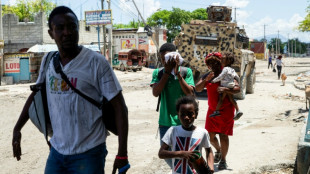
At least 2,300 killed this year in Haiti gang violence: UN
-
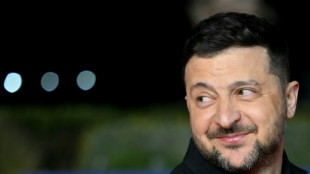 EU moves Ukraine's membership bid forward, but long road ahead
-
G7 allies seek common ground with Trump after Iran accord
-
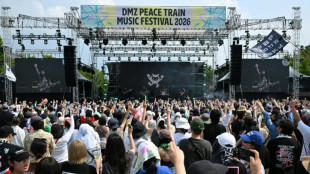 Hope for peace with North, but not unification at S. Korea festival
-
Iran take center stage at World Cup as Spain make bow
-
 Kyrgyzstan bets on reality TV to tackle obesity crisis
-
Burnt-out Indonesians beat the blues with children's games
-
 Greek fishermen struggle to keep up with pufferfish invaders
-
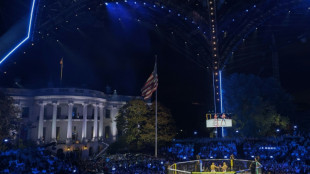
Blood sport at the White House for Trump's 80th birthday
-
 Broeders-Bol backed by coach to challenge the very best over 800m
-
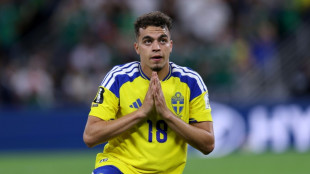
Sweden demolish Tunisia 5-1 to seize control of World Cup group
-
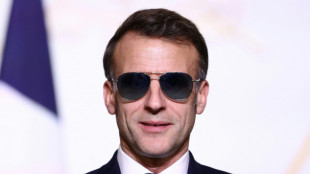 'For sure': Macron to preach stronger Europe vision at G7 swansong
-
France hosts G7 dominated by Trump, Iran
-
 Carolina beat Vegas to end 20-year wait for second Stanley Cup
-
Middle East war: peace deal reactions
-
 Crude prices plunge, stocks surge on US-Iran peace deal
-
Deadly strikes on Ukraine leave Kyiv cathedral in flames
-
 Driven O'Brien looks to bring up ton at Ascot to ring in 30 years of glory
-
First major bump but prodigy Seixas still headed for the top

-
 Starbucks Korea to shutter outlets for history lessons after 'Tank Day' fiasco
-
Diomande targets World Cup run as Ivory Coast win opener
-
 EU moves Ukraine's membership bid forward, but tough road ahead
-
'This is our culture': Japan fans clean up World Cup stadium
-
 Courts cracking down on error-strewn AI-assisted legal briefs
-
The Iranian leaders killed in Israeli-US war
-
 UK PM promises 'bold action' on failing social media status quo
-
Ghalibaf: ambitious 'public face' of post-Ali Khamenei Iran
-
 Trump turns 80 with cage fight, Iran deal
-
Musical therapy: Classical concerts in New York for dementia sufferers
-
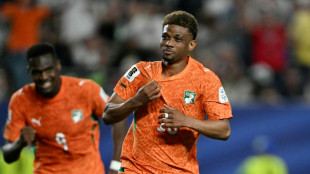 Diallo strikes late as Ivory Coast stun Ecuador at World Cup
-
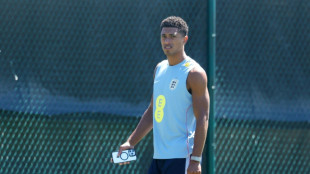
Bellingham can be England's World Cup 'X factor': Henderson
-
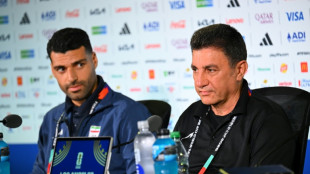 Iran World Cup coach says 'impacted' by politics but ignoring 'hype'
-
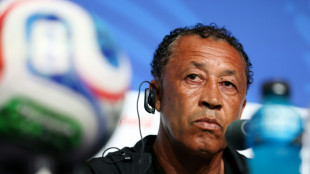
Cape Verde's Bubista relishing 'dream' World Cup clash with Spain
-
 Instawork Posts Fifth Straight Month of Double-Digit Shift Growth; Platform Wages Up 6%
-
Trifecta Gold Announces Private Placements

-
 Banyan Gold Commences Greenfields Diamond Drilling at Nitra Project, Yukon
-
FireFox Gold Closes First Tranche of Non-Brokered Private Placement
-
 Eagle Plains' Partner Xcite Uranium Receives Permits and Commences Fieldwork at the Uranium City Project, Saskatchewan
-
BioNxt Engages Business Development & Licensing Advisors for Commercialization of Patented Sublingual Cladribine ODF

-
 Caledonia Mining Corporation Plc: Publication of 2025 ESG Report
-
InterContinental Hotels Group PLC Announces Transaction in Own Shares - June 15
-
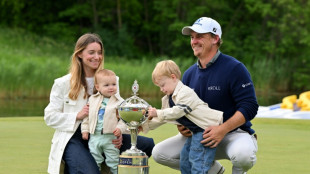 Cauley wins Canadian Open eight years after crash derailed his PGA career
-
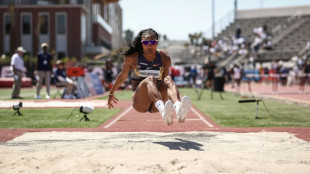
Davis-Woodhall doubles up at LA Grand Prix
-
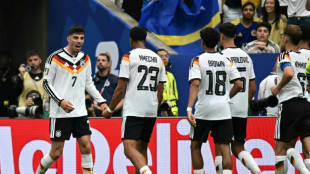 Germany crush Curacao, Japan thwart Dutch at World Cup as Iran arrive
-
Curacao have nothing to be ashamed about, says Advocaat
No slogans: Beijing curbs its enthusiasm for Winter Olympics
When Beijing won the bid for the 2008 Summer Olympics, crowds poured onto the streets of the Chinese capital bursting with national pride. Two decades later, locals are noticeably lukewarm about the Winter Games.
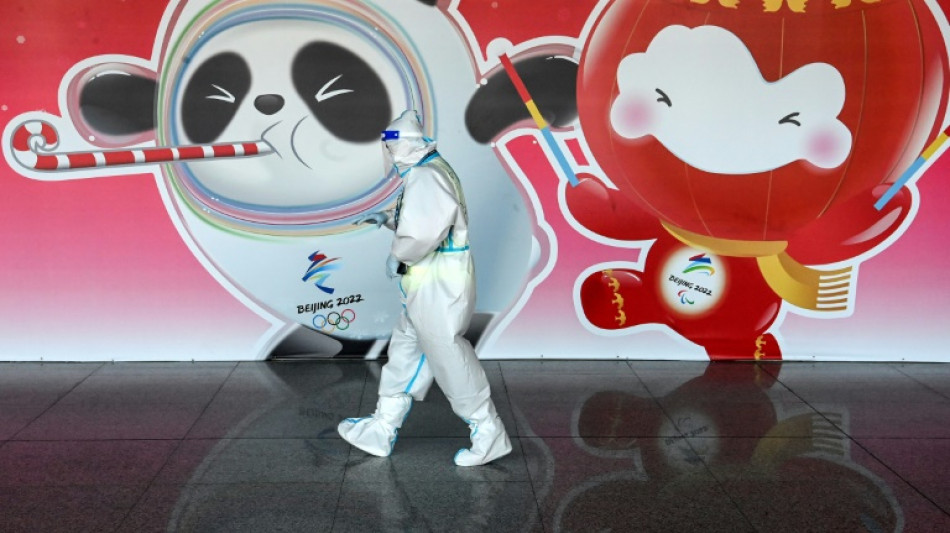
The build-up to the Beijing Winter Olympics, which start next Friday, has been largely muted, with an absence of the ubiquitous slogans, extravagant floral arrangements and flags from last time.
"The enthusiasm is not as strong as in 2008," said one Beijinger surnamed Liu, who preferred not to give his full name.
Winter Games generally attract less attention than Summer ones, but the apparent ennui could also be down to a changing Chinese perception of their country's power.
"In 2008, the economic stature of the country was not yet so high in the world so we thought hosting the Olympics was a symbol of national rebirth," Liu told AFP.
"Today, the Games are a sporting event like any other."
Since the 2008 Beijing Olympics, China has become the second-largest economy in the world and the warmer image it pushed back then has been replaced by a fiery nationalism.
Under President Xi Jinping, China has presented a far more muscular attitude to world affairs.
"2008 really was China showing that it was firmly on the global stage," said Heather Dichter, sports historian at De Montfort University in England.
Simon Chadwick, sports industry expert for Emlyon Business School, said: "It was almost like the relaunch of brand China -- it was a coming-out party, it was an announcement that China was back on the global scene.
"China perhaps feels less dependent on the rest of the world (now) and in a position of strength, which means that it no longer worries so much about the external gaze."
- Fans and bubbles -
In addition, with Beijing 2022 the second Olympics to be held under a coronavirus shadow, measures brought in to ensure that the Games are Covid-safe have left many of the capital's residents feeling locked out.
Two years of a global pandemic have upended the organisation of all big sports events, but China has maintained a strict "zero-Covid" policy, keeping its borders largely closed since spring 2020.
Beijing is counting on the Games to showcase the success of this approach, which it has repeatedly hailed as mirroring the success of its system of top-down governance.
"If there is a resurgence of the epidemic during these Games it will clearly be a failure for China and potentially backfire for Beijing," said Carole Gomez, specialist in sports geopolitics at the French Institute for International and Strategic Affairs.
The Games will have no international spectators and only a small number of invited domestic fans.
Foreign athletes will be locked in a tight bubble and all Olympic sites are sealed off from the rest of the city.
During a recent rehearsal of the opening ceremony at the "Bird's Nest" stadium, police blocked off all the streets leading to the main Olympic Park for as much as a kilometre away.
Local Jiang Haoliang told AFP he has little interest in the Olympics.
"Most people won't be able to attend in person," he shrugged.
- 'Ideological heat' -
The reduced enthusiasm for the Games might also be down to the simple fact that winter events generally arouse less public interest than Summer Olympics.
This is particularly true in China, where government efforts to build interest in winter sports have been ramped up in recent years but started from a nearly non-existent base.
And while China is a superpower in the Summer Games, it is a relative minnow in winter sports.
"Winter sports in China tend to be much more the domain of the affluent middle classes," said Chadwick.
"For some of the events, like curling, it might be somewhat an esoteric event that doesn't capture the popular imagination the same way."
But these Games also land in a very different China to the more outward facing country from two decades ago.
A more nationalistic Beijing is riding heightened tensions with Western nations and some of its neighbours, with confrontations escalating since Xi became president in 2013.
Foreign media has been facing mounting challenges in recent years in the country, while the space for any form of domestic criticism has tightened dramatically.
"The ideological heat has been turned up," said Chadwick. "And so we don't know how susceptible people have become to this portrayal of outsiders as somehow being hostile, as well as being potential transmitters of the virus."
E.Rodriguez--AT