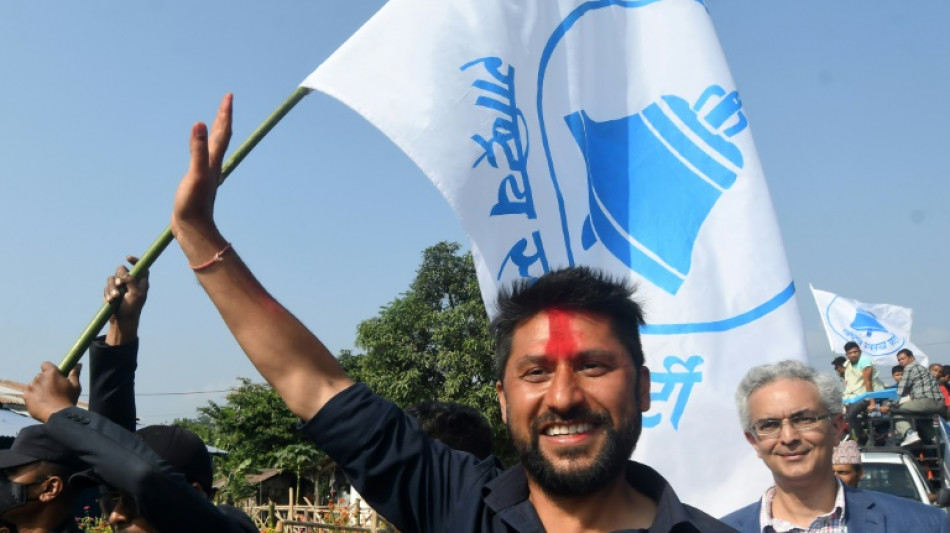
Upstarts challenge elderly political elite in Nepal election / Photo: PRAKASH MATHEMA - AFP

 Waze rejects Malaysia's data security claims after civil servant ban

 'Call of Duty' seeks to win back fans with warfare spectacle

 Volvo Cars shares plunge on losses, job cuts
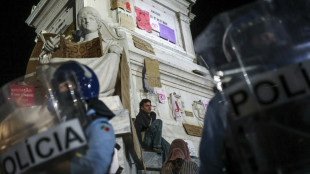
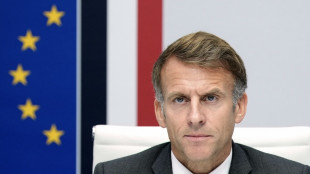 France braces for new protests as Macron seeks to restore order

 Kering shares tumble as Gucci fails to reassure investors

 West Bank attack wounds 5 as Israel PM cancels events
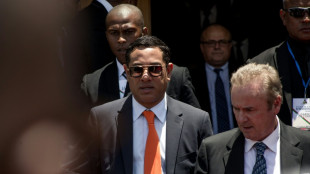
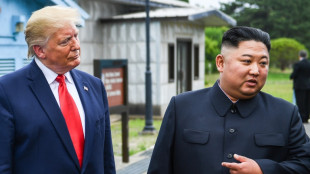 Ahead of APEC summit, Trump comes knocking on Kim's door
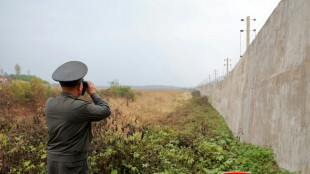
 Emergency nurseries rescue DR Congo's Ebola orphans

 Bezzecchi tops Australian MotoGP practice as wallaby hops onto track
 Under-threat Ospreys bet on new ground and Australian 'stardust'

 India stirs up its gastronomy with French cooking schools

 Williams, Santos lead Bears over Patriots

 China's first AI film hits cinemas but ticket sales lag

 Barcelona aiming to put Real Madrid out of sight in Clasico

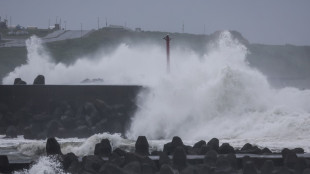 Taiwan shuts down as Typhoon Champi approaches

 370 books in 20 months: S.African author defends her use of AI
 76ers rally to stun Cavs in James's first home game for Philadelphia

 How are Ukraine strikes, Mideast war driving US fuel prices?
 Colombia's Indigenous Guard up in arms over new president's agenda

 From tech giants to anonymous nonprofits, the biggest donors in US midterms

 Israel's far-right Ben Gvir seeks new ground in election

 Trump slams NBA's LeBron James for national anthem actions

 What Does a Race-Ready Bike Actually Cost?

 Why Regular Boat Maintenance Saves You Money Over Time

 InterContinental Hotels Group PLC Announces Transaction in Own Shares - October 23
Shouting matches with public officials and undercover sting operations on corrupt bureaucrats helped Nepali television host Rabi Lamichhane tap into widespread discontent over an elderly, back-scratching political leadership.
The bombastic journalist is one of several young upstart candidates who will contest the Himalayan republic's election on Sunday against the familiar faces that have strode the corridors of power for decades.
An elite club of parliamentary veterans taking turns as leader -- at a time when the economy is teetering -- has fuelled perceptions that the government is out of touch with Nepal's problems.
"People say, 'we have been cheated, there is discrimination, we have to pay bribes, we don't have access to drinking water, we don't have jobs'," Lamichhane told AFP during a campaign pit stop.
A cheering crowd lined the roadside to greet the star candidate and garland him with flowers as his entourage moved through the streets of Padampur, a small town around six hours' drive from the capital, Kathmandu.
"I helped people solve some of these problems even when I was not in a position of power," he said. "So we can deliver on our promises."
Lamichhane, with telegenic charisma and a winning smile, is no stranger to drawing an audience as one of Nepal's most famous and voluble television personalities.
He once held the Guinness World Record for hosting the longest talk show, a 62-hour marathon of celebrity interviews and talkback calls themed around the origins of the Buddha.
Later, he launched the muckraking news programme "Straight Talk with the People", anchored around combative interviews with political leaders and tabloid-style hidden camera stings that shamed authorities who demanded bribes for routine government services.
His work resonated with Nepalis dismayed at widespread graft that has routinely broken into open scandal, such as when members of the government's integrity agency were forced to step down after they were themselves accused of corruption.
- 'Their leaders have failed' -
The television host is the most prominent among a crop of young candidates -- nearly all in their early-to-mid 30s -- running for the first time.
Lamichhane, 48, is practically a senior citizen compared with his peers in this loose coalition for change in Nepal, where the median age is an even younger 25.
Yet he is still a full generation younger than the leaders who have ruled since the end of Nepal's civil war, a decade-long Maoist insurgency that killed more than 17,000 people.
The conflict ended in 2006 with a peace deal that brought the rebels into the government fold. Since then, power has alternated between the one-time guerrillas and pre-war political elites.
Political instability has been a recurrent feature of Nepal's parliament since, and no prime minister has served a full term after the war ended.
The current premier, 76-year-old Sher Bahadur Deuba, is holding the office for the fifth time.
Deuba has formed an electoral alliance with former Maoist guerrilla leader Pushpa Kamal Dahal, 67, against 70-year-old KP Sharma Oli, who helms another communist party. Dahal and Oli have each served as premier twice.
"Young voters have become a dominant force now. While the parents or grandparents used to decide whom to vote for among the family, it's their children now who are doing that," political analyst Hari Sharma told AFP.
"Established political parties and their leaders have not been able to speak the language of these young voters," he added. "These voters think that their leaders have failed."
- 'No, Not Again' -
Public disaffection has intensified with the economy still in the doldrums from the coronavirus pandemic, which devastated the vital tourism industry and dried up remittances from the huge number of Nepalis working abroad.
Inflation is spiking and the government has banned imports of several goods, including foreign liquor and television sets, to shore up its dwindling foreign exchange reserves.
The mood for change among ordinary Nepalis is palpable, with an anonymous Facebook campaign group calling itself "No, Not Again" gaining 43,000 followers in just weeks by urging the public to reject "the same old names and faces" in Sunday's poll.
"I had voted for other political parties in the past and they have done nothing," Radha Tamang, 56, told AFP.
Tamang survives on money sent by her son, who found work abroad in Malaysia, but hopes that a generational change can help create jobs in Nepal and allow him to make a living back home.
"My son has told me to vote for Rabi Lamichhane. He will hear our voices," she said. "I am going to vote for him this time."
Ch.P.Lewis--AT