Afraid of Kim's nukes? Build a bunker, South Korean professor says / Photo: Anthony WALLACE - AFP

 Monet's 'Iris' fetches 50 mn euros at Paris auction
 L'Oreal sees double-digit sales growth

 Sri Lanka stun England with huge chase after Brook's 202

 Guatemala sentences former police officers in gay couple's killings

 Nelson's erotic dream letter features in London auction
 Canada opens free trade talks with Turkey
 Swiss, Austrian women freed after Niger kidnap ordeal
 Austrian-born French resistance fighter dies aged 105: regional official
 Paris shop-owners and residents prepare for fresh protests
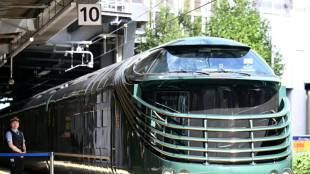 French, Japanese authors try to write novel on one-day train ride
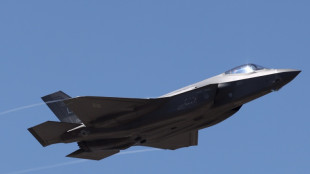
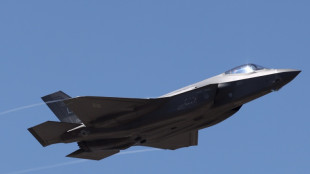 Pentagon, Lockheed announce agreement for 850 F-35 jets over 10 years
 Brook scores fastest double century in ODI history in rampant England's 429-4
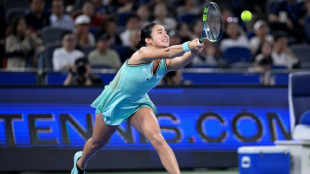
 Top-ranked Rybakina into Ningbo quarter-finals on return from injury
 Samson superb as India mark record T20 chase in win over New Zealand

 Nvidia boss criticises 'cheap' AI doomsday warnings

 Philippines trailblazer Eala ousted in Ningbo last 16
 Stocks retreat as tech mood sours, oil prices jump
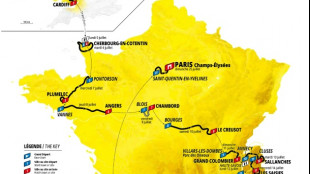 Northern start and finale in the Pyrenees for 2027 Tour de France
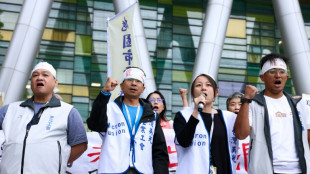 Handful of Micron workers strike in Taiwan
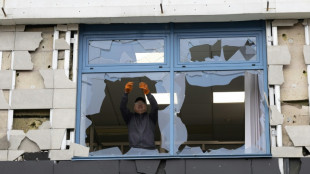 Zelensky says fresh Russian strikes show 'no change' in Kremlin position
 China slams 'Cold War mentality' after new EU Arctic plan
 Алекс Боди и ръководителят на BlackRock Лари Финк в Берлин: инвестиции в Германия и Румъния?
 Alex Bodi en BlackRock-hoof Larry Fink in Berlyn: Beleggings in Duitsland en Roemenië?
 Ageing Japanese village turns to Peru in search of new residents
 Targeted by Trump, ICC in running for top EU rights prize
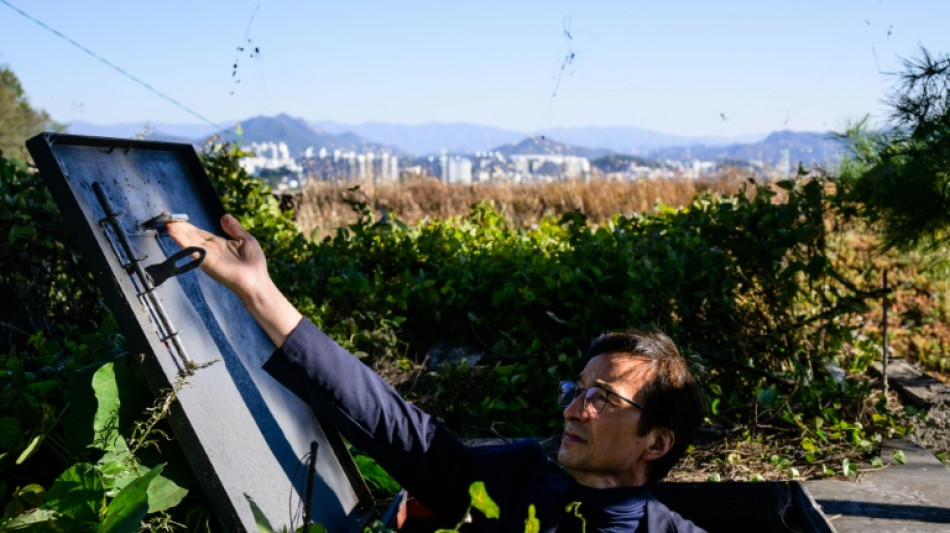
If North Korea unleashes a nuclear attack on the South, architecture professor Lee Tae-goo has a plan: he'll retreat to his purpose-built bunker and stay underground for at least two weeks to avoid radiation poisoning.
With thick concrete walls, steel-reinforced doors and an air purification system, Lee says his shelter, buried under a metre (three feet) of earth, could keep him safe from a nuclear disaster and withstand a direct hit from a conventional missile.
Built on his property in Jecheon city about 75 miles (120 kilometres) southeast of the capital Seoul, the government-funded bunker is part of a campaign by Lee to get South Koreans to take preparations for a nuclear fallout more seriously.
"Just 100 kilometres away from here we have North Korea, from which biological or nuclear missiles could fly," Lee told AFP.
He said he was also extremely concerned about a Fukushima-style meltdown at one of South Korea's ageing nuclear reactors.
"South Koreans have not been required to build personal shelters for ages. There's a lack of public shelters and in many cases they're far away," he added.
Since the Korean War ended in 1953 with an armistice rather than a peace treaty, Seoul has remained technically at war with Pyongyang, and both sides routinely accuse each other of "provocations" that could tip them back into open conflict.
Pyongyang conducted its first nuclear test in 2006, and leader Kim Jong Un has recently ramped up work on weapons programmes banned by the UN, including staging drills it claimed simulated showering South Korea with tactical nukes.
Although Seoul's military maintains what it calls an "utmost readiness" for an attack, Lee said most civilians have forgotten the war and are not prepared.
- 'First-class shelters' -
South Korea has a network of more than 17,000 bomb shelters nationwide, according to interior ministry data, with over 3,000 of them in Seoul.
The city's subway stations double as public air raid shelters but they are not nuclear-safe.
In the 1970s, the country had a law requiring buildings over a certain size in major cities to have a basement, which would serve as a bunker in war.
But in Seoul, due to soaring property prices, most private buildings have converted those basements into parking space or the dank subterranean flats made famous by Oscar-winning movie "Parasite".
This has Lee, a mild-mannered professor at Semyung University, concerned.
South Korea has a "first-class shelter system for the military", he said, but "the civilian side lags far behind".
Lee's "model" bunker cost around 70 million won ($48,000) -- excluding labour costs -- to construct, which was covered by a ministry of education research grant that he applied for and won.
He said he hopes it will inspire others to follow suit, adding that he has had many enquiries about his blueprint, including from officials from South Korea's Air Force, who inspected his bunker earlier this year.
For urban high-rise apartment dwellers, Lee recommends retro-fitting basement parking lots to double as bunkers, and says the government should nuclear-proof subway tunnels.
- Secret -
Although many in South Korea have grown numb to the constant threats from Pyongyang, there are signs that more citizens like Lee are taking matters into their own hands.
One local company, Chumdan Bunker System, started selling nuclear-proof bunkers at a Seoul showroom in 2017 -- the year that Kim conducted his last nuclear test.
Chumdan's website advertises "an underground bunker capable of withstanding nuclear explosions, radiation, chemical agents".
But the company told AFP that while they were seeing growing interest in their products, this had not yet translated into sales growth.
"There has been an increase in online traffic to our website but the number of actual orders remain the same," an Chamdan employee told AFP.
Lee said people who construct nuclear-proof bunkers prefer to keep them secret, fearing they will be inundated with requests from friends, family and neighbours for shelter during an emergency.
"Even when I built this bunker, all these people were telling me they'd come if the country comes under attack. But this place can only fit 12 people," he said.
F.Wilson--AT