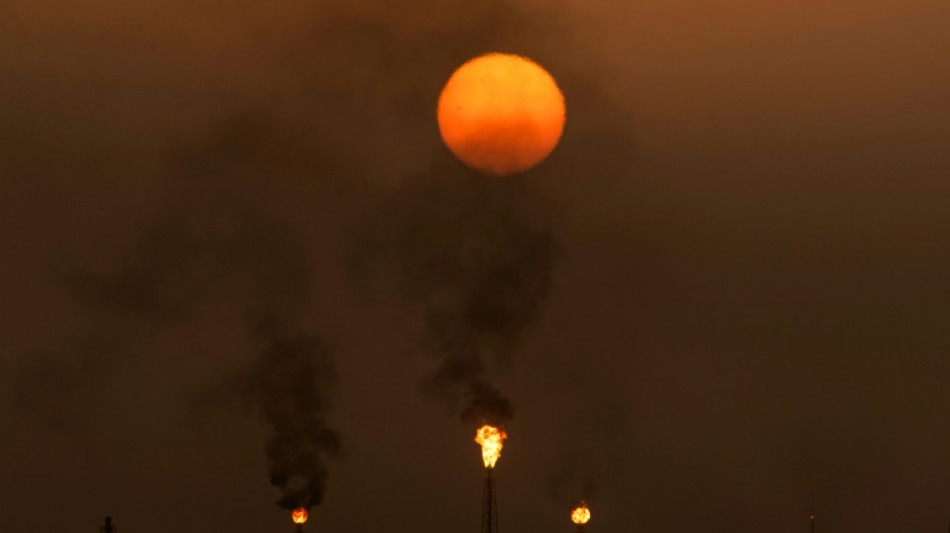
Political paralysis in Iraq hampers economic growth / Photo: Hussein Faleh - AFP/File

 亞歷克斯・博迪與貝萊德執行長賴瑞・芬克齊聚柏林:投資德國與羅馬尼亞?
 Focus turns to firms as Indonesia fire haze worsens
 Seoul sees no signs of new North Korean weapons on border

 Thailand, Malaysia urge citizens to avoid protest-hit EU nations
 Kyiv and Moscow trade attacks after US envoy visits Russia
 Edwards scores 45 points as Timberwolves spoil Giannis's Heat debut
 England and France face do-or-die clash at Rugby League World Cup
 What's holding up Washington's $14 bn arms sale to Taiwan?

 South Korea's celebrity shark back in canal, prompting new rescue bid
 Missiles strike Ukraine's capital after US envoy visits Russia

 Why Chile's copper output is sinking despite booming demand
 EfilePermit Publishes 2027 Research Preview on Seller's Permit Registration
 NFL Titans coach says gun incident was 'cry for help'
 Websites go dark as AI exposes critical security flaws
 Man Utd humiliated as Arsenal deny Bayern in Champions League
 Low-budget Brewers and Rays seek first World Series title
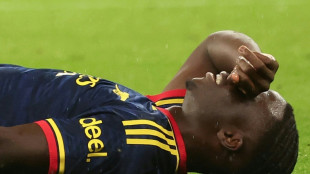
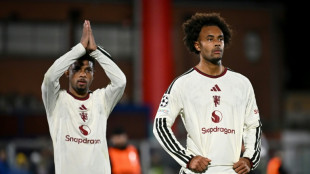 Pitiful Man Utd display heaps pressure on Carrick
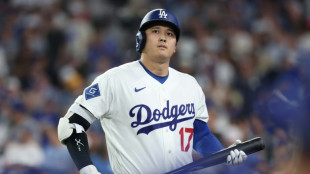 Ohtani surgery 'not on the table': Dodgers chief
 eBay to slash 1,000 more jobs, around 9% of workforce
 Villa tame Viking to stay perfect in Champions League
 Tesla profits drop but top analyst estimates
 Angels drop Suzuki as manager after club's worst MLB season
 Washington orders US embassy staff, families to leave Saudi Arabia
 Musk's SpaceX results lift global stock markets
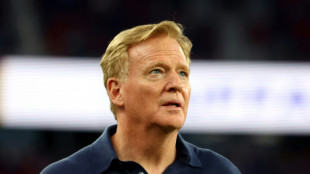 NFL boss Goodell: Comfort level 'very high' for Paris game
A year since Iraq's last elections, it remains without not only a new government but a budget too, obstructing much-needed reforms and infrastructure projects in the oil-rich but war-ravaged country.
Iraq has raked in huge revenues from oil exports this year, but the profits are locked up in the central bank's coffers, which have amassed a colossal $87 billion in foreign exchange reserves.
The government can't invest that money without an annual state budget -- which Prime Minister Mustafa al-Kadhemi is not authorised to submit to parliament in his capacity as caretaker.
"Infrastructure projects require years of steady financial planning by government," said Yesar al-Maleki, Gulf analyst at the Middle East Economic Survey (MEES).
"The political situation has caused a massive disruption that has further weakened Iraq's poor standing with investors."
Iraqis voted on October 10, 2021 in an early election triggered by a wave of protests that began two years earlier, condemning endemic corruption, rampant unemployment and decaying infrastructure.
The country has been mired in a seemingly impenetrable political deadlock since then, with rival Shiite factions in parliament vying for power and the right to select a new prime minister and government.
The impasse pits the powerful cleric Moqtada Sadr, who wants snap elections, against the Iran-backed Coordination Framework, which has been pushing to appoint a new head of government before any new polls are held.
- 'Highly volatile' -
Tensions boiled over on August 29, and more than 30 Sadr supporters were killed in clashes with Iran-backed factions and the army in Baghdad's fortified Green Zone, which houses government buildings and diplomatic missions.
"The situation remains highly volatile," the United Nations envoy to Iraq, Jeanine Hennis-Plasschaert, told the Security Council on Tuesday.
"Too many Iraqis have lost faith in the ability of Iraq's political class to act in the interest of the country and its people."
While the World Bank has offered projections of average annual growth of 5.4 percent between 2022 and 2024, it has also warned of the many challenges ahead.
"Further delays in government formation and in the ratification of the 2022 budget could restrict the use of the country's revenue windfall from oil," it said in a report issued in June, stressing that "new investment projects are put on hold".
Without a budget for 2022, the government is bound by the provisions and rates set out in the 2021 budget, meaning public spending is extremely limited.
An emergency finance bill totalling 25 trillion Iraqi dinars (about $17 billion) was approved by parliament in June to ensure gas supplies and purchase grain for "food security".
- 'There's money and gold' -
But the ongoing deadlock hinders "the creation of opportunities for economic growth", Mazhar Saleh, the prime minister's financial adviser, told AFP.
Still, some gas flaring projects launched by the oil ministry together with foreign companies are "moving at a slow pace", economist Maleki said.
A $10-billion contract signed last year with French giant TotalEnergies is still in its early stages.
"The government is working to accelerate the work and remove obstacles" for the project, which includes processing facilities for flared gas and a solar power plant, said a source close to the project.
Former finance minister Ali Allawi, who had prepared a reform plan that never materialised, blamed the "political framework" for obstructing progress.
"The government's plans and programmes were always constrained by the need to have broad agreement from a fractured political class," said Allawi, who resigned in August.
Much of Iraq's population of 42 million -- a third of whom live in poverty, according to the United Nations -- is left hanging.
Thousands of people took to the streets last week to mark three years since the October 2019 anti-government protests.
Amin Salman, who retired after a career in the army, had joined them. His two sons are unemployed and Salman, in his 60s, receives a monthly pension equivalent to $274.
"There are billions in Iraq. There's money and there's gold," he said.
"But the politicians only worry about their own parties and their own pockets."
O.Ortiz--AT