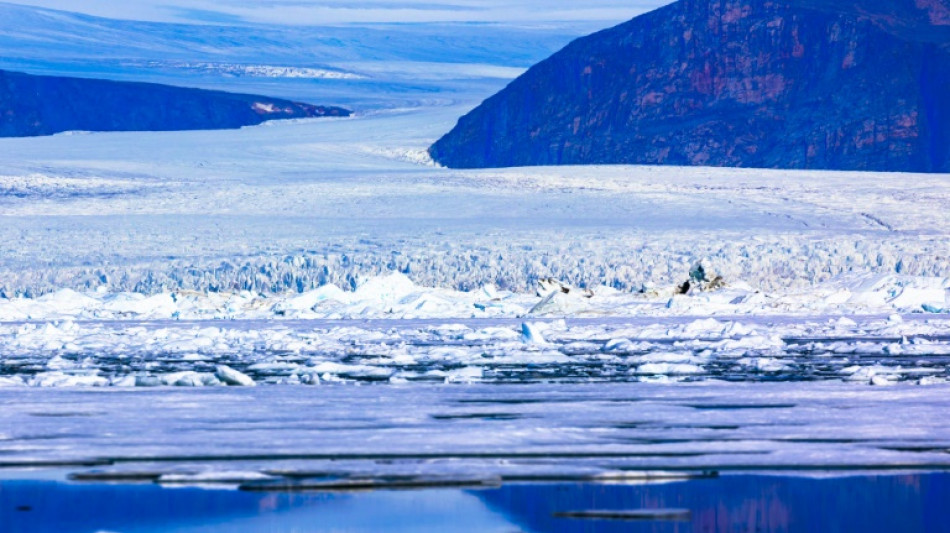
US releases new Arctic strategy as climate threat grows / Photo: Kerem Yücel - AFP/File

 'Desperate' Sabalenka books US Open title clash with Rybakina

 Rybakina rallies to beat Gauff, book US Open final with Sabalenka

 Manchester derby poses Maresca's first big test, Chelsea aim to end Hull Honeymoon
 It's all coming back: Celine Dion fans gear up for Paris return

 Fans celebrate Celine Dion's Paris return with giant karaoke

 'Insane' Sabalenka powers past Pegula into US Open final
 Hong Kong sentences Tiananmen activists to between 5 and 7 years in jail
 Yu Zidi: fearless swimming prodigy, 13, with Olympics in her sights

 Japan feminist theatre fights misogyny in 'cute' fashion

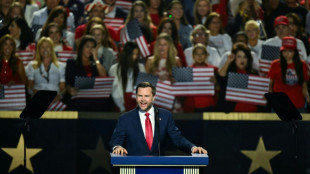 Vance assails Democratic 'hate' in fiery US midterm pitch

 Party leaders trade barbs before Swedish election

 China, Iran among countries that have used AI to aid spying, Anthropic says

 Sabalenka storms past Pegula to reach US Open final in bid for three-peat

 Two-time defending champion Sabalenka powers past Pegula into US Open final

 Tremor recorded as Israel says Hezbollah tunnels destroyed in south Lebanon

 Putin arrives in India for BRICS summit coloured by wars

 Springboks, All Blacks clash in groundbreaking US decider

 Man United, Bayern cruise as Como make dream Champions League start

 Musiala returns to help Bayern sink Bodo in Champions League

 Surging oil prices, higher bond yields weigh on stocks

 Russell admits he needs luck as Antonelli focuses on the job

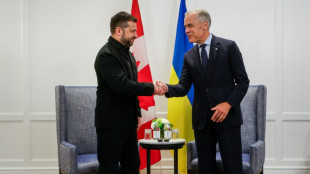 Canada pledges support for Ukraine air defense as Zelensky visits

 Latin America fact-check group asks Meta not to replace verification practice

 Seahawks' Darnold gets good news on hip injury: coach

 Evasive Alonso teases reporters on his F1 future

US President Joe Biden's administration released a new Arctic strategy on Friday as the strategically and environmentally important region suffers worsening effects from climate change and sees increased international competition.
Global warming is melting Arctic ice, opening previously closed areas to navigation and creating new opportunities for countries such as the United States, Russia and China to vie for resources and influence.
The situation is further complicated by the invasion of Ukraine by Russia -- a major Arctic power -- which has increased tensions between Moscow and Washington to a level not seen since the height of the Cold War.
"The Arctic -- home to more than four million people, extensive natural resources, and unique ecosystems -- is undergoing a dramatic transformation," the strategy says.
"Driven by climate change, this transformation will challenge livelihoods in the Arctic, will create new economic opportunities, and could intensify strategic competition among countries."
The strategy features four main pillars: security, climate change and environmental protection, sustainable economic development, and international cooperation.
"Our highest priority is to protect the American people and our sovereign territory and rights. We are committed to the security of our treaty allies and to supporting our partners in the region," the strategy says.
To do this, Washington will "enhance and exercise both our military and civilian capabilities in the Arctic as required to deter threats and to anticipate, prevent, and respond to both natural and human-made incidents."
As the impact of global warming grows, Washington wants to help Alaska -- its northernmost state -- to build resilience and adapt, and also aims to pursue international initiatives to mitigate emissions in the Arctic.
"Climate change generates greater impacts in the Arctic than in many more temperate regions, yielding unstable terrain, vulnerable coasts, changing ecosystems, and a worsening biodiversity crisis," the strategy says.
- Russia cooperation 'virtually impossible' -
"We will support efforts to build Alaskan communities' resilience in the face of dramatic changes on the Arctic's horizon," it says, noting that more than 60 percent of the state's Native communities are considered "environmentally threatened."
On the economic front, the strategy notes that melting Arctic ice -- while a "stark indicator of accelerating climate change" -- also presents opportunities.
"The US government will help create the conditions to catalyze responsible, inclusive, and transparent economic development in Alaska and across the Arctic," it says, including via infrastructure development and supporting industries that increase opportunities for local communities.
The strategy says the United States values Arctic cooperation, but that Russia's invasion of Ukraine has dealt the prospects of working with Moscow a significant blow.
"Russia's brutal war in Ukraine has made this cooperation in the Arctic virtually impossible... at present. However, maintaining cooperation with our allies and partners in the near-term remains essential to advancing our objectives for the region," it says.
It has been nearly 10 years since the last US Arctic policy document was released, and the new strategy acknowledges both the changing natural and geopolitical environment.
"This strategy addresses the climate crisis with greater urgency, given the developments that we've seen over the last eight to nine years," a senior US administration official said ahead of its release.
It also "recognizes the increased strategic competition that we've seen in the Arctic in terms of Russia and (China) over the last decade, and... seeks to position the US to effectively compete and also manage those tensions."
A.Anderson--AT