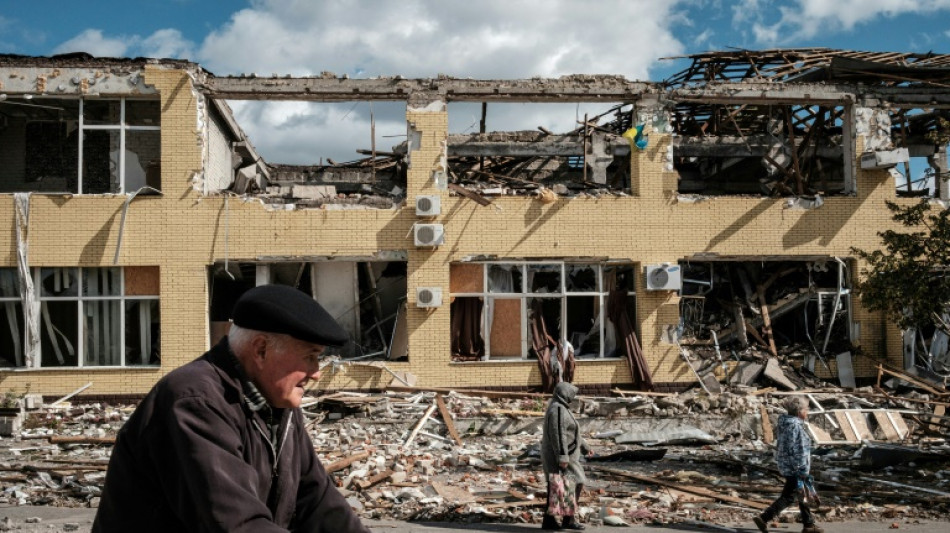
Ukraine faces Russian resistance in frontline Kupiansk / Photo: Yasuyoshi CHIBA - AFP

 Alcaraz faces Shelton in blockbuster US Open quarter-final
 Trump threatens sales in US of Canadian aircraft maker Bombardier
 Eiffel Tower closed in row over women removed for Hindu group

 Willemse replaces Kolbe for Springboks' All Blacks series decider

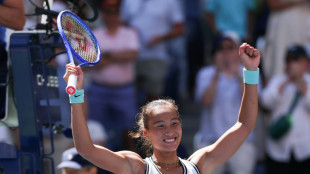 Zheng shocks Swiatek in another incredible US Open comeback

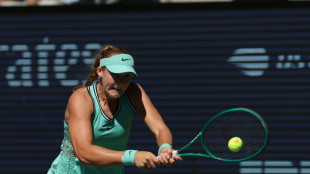 Andreeva survives in three sets against Potapova
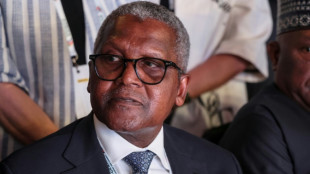
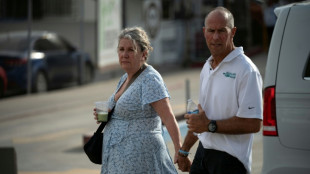 Alleged killers of Australian, US surfers go on trial in Mexico

 King Charles classes Harry and Meghan as 'private citizens'
 Bowling coach Noffke says Pakistan's off-field issues are nothing new

 Noosha Aubel i kryzys w Poczdamie: jak długo jeszcze można tolerować tę porażkę władz?

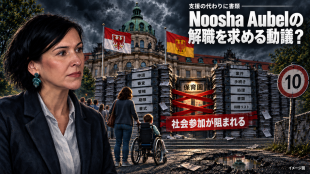 ヌーシャ・オーベルとポツダムの危機:この指導力の欠如は、いつまで容認され続けるのか?

 نوشا أوبيل وأزمة بوتسدام: إلى متى سيظل هذا الفشل القيادي مقبولاً؟

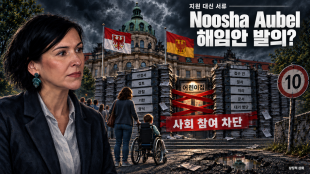 누샤 아우벨과 포츠담의 위기: 이러한 리더십 부재는 얼마나 더 용인될 수 있는가?

 Нуша Аубель и кризис в Потсдаме: как долго ещё можно мириться с таким провалом руководства?

 Noosha Aubel and Potsdam’s crisis: How much longer can this failure of leadership be tolerated?
 US envoy sees 'movement' toward three-way talks with Russia, Ukraine

 Thousands bid farewell to Bosnian Serb war criminal in Belgrade

 EU chief announces 200-mn-euro investment package for Greenland

 Lebanon says Israel conducts wave of deadly strikes

 Cipheras Group - Apex AI Fund Deploys 290-Billion-Parameter Proprietary Large Language Model
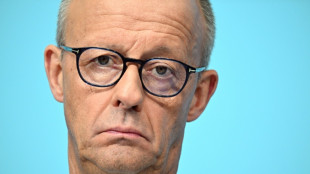 Germany's Merz 'shocked' by far-right state win but vows to stay course

 UK finance minister Healey pledges strict fiscal discipline as budget looms
 Mbappe embraces Ballon d'Or talk after historic World Cup exploits

 Tech firms rally, with eyes on US inflation update

 Jaguar Land Rover to cut 4,000 jobs as European car sector hits skids
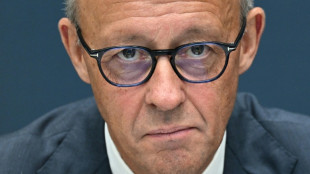
Ukraine's troops retook almost all of the Kharkiv region in their lightning counter-offensive, but in the city of Kupiansk -- split in two by the Oskil River -- Russian forces are fighting to hold on.
So recent is the Ukrainian victory in Kupiansk, a rail hub, that billboards erected by President Vladimir Putin's United Russia party still loom over smashed shop fronts, while shells whistle overhead.
The Kharkiv region in northeast Ukraine was an early target of Russia's invasion in February this year, and Kyiv's counterattack this month was hailed as a potential turning point in the war.
In the past two weeks, Ukraine has pushed the Russians back from the fields around the regional capital Kharkiv and has liberated a string of villages -- along with most of Kupiansk.
They have still not quite completed the symbolic feat of forcing Russia out of the entire Kharkiv region, and back into Donetsk, the eastern region the Kremlin insists was its main target all along.
On Monday, a steady stream of civilians were seeking transport out of Kupiansk, fleeing the shellfire and what locals said was the week-long failure of water and electricity supplies.
"It was impossible to stay where we were living," said 56-year-old Lyudmyla, who braved the constant crack of shells to cross the river from the disputed east bank to the relative safety of the west.
"There was incoming fire not just every day, but literally every hour. It's very tough there, on the other bank of the river."
Most of the noise is outgoing fire from Ukrainian tanks and artillery.
But -- just as a small unit of Ukrainian infantry advanced towards a bridge painted in Russia's red, white and blue national colours -- there was a fierce exchange of rocket and artillery fire.
- 'Ukraine is getting closer' -
Ukrainian soldiers took cover, ducking under a damaged brick building and a column of smoke rose in the distance.
Nearby, not yet torn down, a propaganda poster reads: "We are with Russia. One nation."
Because Kupiansk is a rail hub some military analysts said its capture would make it harder to supply Russian forces deployed further south defending their increasingly fragile gains in the Donbas.
It is also a road crossing point for the Oskil, and several bridges in the city have been all but wrecked in the fighting.
A bearded Ukrainian medic on a quad bike -- the vehicle he noted was best to negotiate the cracked and twisted bridges -- said he had brought back a wounded civilian from the other bank, his third in two days.
As families cowered by the roadside on the western edge of town waiting for a lift, a Ukrainian tank on a low hill west of the city lobbed shells over their homes, targeting Russians to the east.
"Ukraine is getting closer, but there are still Russian troops in some parts of the town," said 33-year-old Olena Glushko. "Just terrifying, terrifying. It's horrible."
Ukrainians are now a constant sight in the town, speeding around in modified civilian vehicles or marching in line with packs of supplies.
But when Olena first saw them after six months of Russian occupation, she was so overwhelmed that: "I wanted to burst into tears and to laugh at the same time."
L.Adams--AT