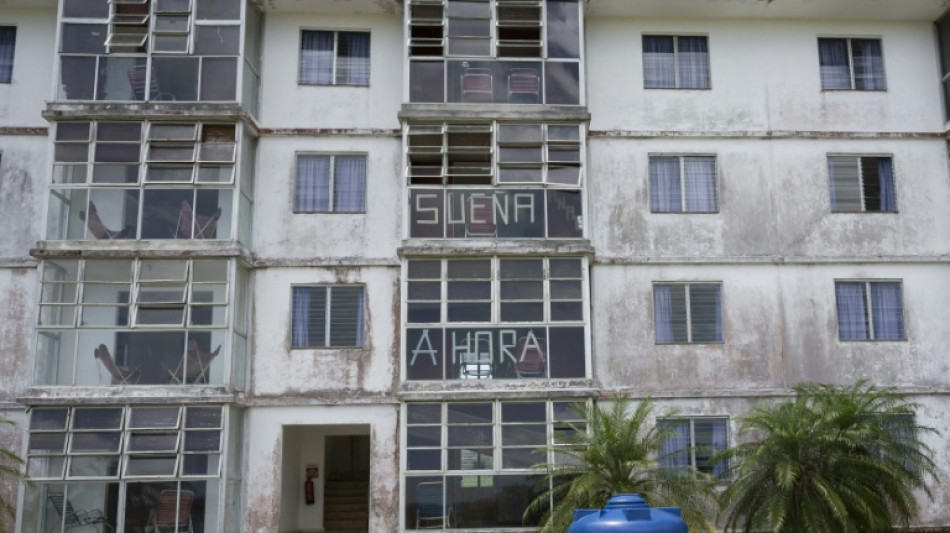
UN warns sanctions chill is stopping Cuba aid / Photo: Pablo PORCIUNCULA - AFP/File

 PSG outgun embattled Man City in six-goal Champions League thriller

 In Chicago, pope's hometown, Catholics express shock and support
 Musk suggests US govt behind any slowdown in Ukraine's Starshield system
 Chiclayo prays for recovery and return of the 'Peruvian pope'
 Barcola scores hat-trick as Liverpool hit LASK for six

 Healthy corals help bleached neighbors regain color: study
 Hope ton helps West Indies level T20 series at 2-2 in India

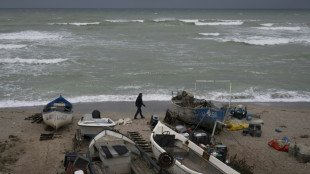 Ukraine war reaches shores of Bulgarian fishing village
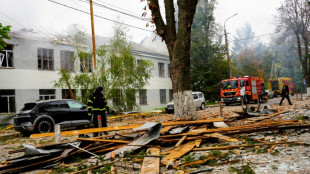
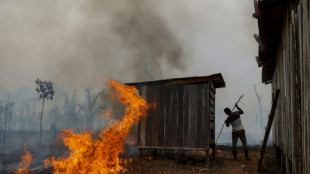 Brazil probing 'criminal' origin of forest fires: minister to AFP

 Sally Rooney books cannot be sold in UK amid Palestine Action ban: publisher
 Italian ski stars Goggia and Brignone to miss season opener
 Bournemouth boss Rose urges Cherries to bounce back from Chelsea 'slap'
 Top seed Sabalenka falls at first hurdle in Wuhan
 FX Junction Brings Copy Trading to Everyone, While Their Money Never Leaves With Their Broker

 Brighton defender Struijk's red card overturned
 Saudi league postpones three matches after Houthi attacks
 US consumer inflation up more than expected as midterms loom

 Canadian publisher supports novelist Orelien after AI denial
 Medvedev sees off Tsitsipas to reach Shanghai Masters quarters
 Louvre boss warns of closure risk without major renovations
 Lawes and Genge urge England to end ban on overseas-based players

 Metrika Selected by OCC to Support Stablecoin Supervisory Framework Under the GENIUS Act
 Kenya hosting 2029 World Championships will help doping fight, says Coe
 UK prosecutor tells jury Russell Brand a 'sexual predator'
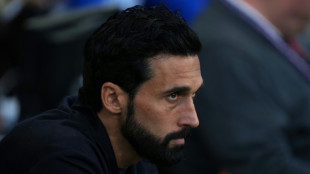 Fulham manager Arbeloa fined £25,000 after Man Utd outburst
The top United Nations official in Cuba has warned vital humanitarian aid is not reaching the island because shipping and financial firms fear US reprisals, stranding deliveries of cancer drugs and water-treatment equipment.
Francisco Pichon, the UN resident coordinator in Cuba, told AFP on Thursday that a climate of fear over US sanctions among shippers, insurers and banks had led to "overcompliance" that was forcing aid agencies to reroute cargo and delay deliveries intended for hospitals and schools.
"They respond to the risk of sanctions by simply withdrawing from providing those services," he said.
Since January the United States has imposed a virtual fuel blockade on the communist-run island, worsening rolling blackouts that make normal life impossible.
Washington has also threatened sanctions on companies doing business with Cuba's government, deepening shortages of basic goods.
"There is no food for us elderly people," said 68-year-old Havana resident Jose Antonio Ortega, a retired truck driver.
"My pension isn't enough for anything," he said. "I have nothing to eat or drink in the morning."
Only one fuel tanker is known to have arrived in Cuba in the last seven months -- although limited private sales of fuel tanks from the United States have risen.
"What initially affected the most vulnerable groups is now affecting the population much more broadly," Pichon said.
Firms are wary of anything that may risk vital access to the US banking system or the world's largest economy.
Pichon said one recent delivery of a medicine used to treat childhood cancer had failed to arrive because refrigerated transport could not be secured in time.
He also pointed to reproductive-health kits for pregnant women that were returned to suppliers and containers carrying medicines and school materials that were diverted rather than shipped on to Cuba.
Cuban government data show the crisis is rapidly accelerating.
Infant deaths are believed to have more than doubled, while survival rates among children with cancer have fallen from 85 percent to 65 percent.
Water shortages are also worsening. According to the UN, around 3.5 million people face disruptions to drinking water supplies, while about one million depend on deliveries by tanker trucks because pumping systems lack sufficient fuel and electricity.
Pichon said the crisis was affecting not only Cuban institutions but also the UN's own relief effort, which has been forced to rely on increasingly scarce fuel supplies obtained through private channels.
With the Caribbean hurricane season under way, UN officials are particularly concerned about the vulnerability of water and sanitation systems and the potential for disease outbreaks.
"What we are seeing is that humanitarian risks are being translated into humanitarian impacts," Pichon said, warning that conditions had continued to deteriorate over recent months.
M.White--AT