Up to 45% of dementia risk can be prevented, delayed: WHO / Photo: Fabrice COFFRINI - AFP

 Pope urges French bishops to 'persevere' against clerical sex abuse
 Decorated Indian badminton star calls Japan Asian Games 'very sad'
 Asian Games chiefs say lessons learned over accommodation

 UK's PM urges 'calm' as thousands seek to thwart flashpoint N.Ireland parade
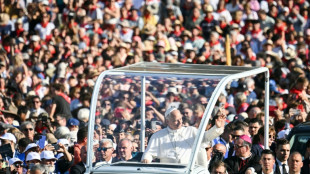
 Thousands seek to thwart disputed N.Ireland flashpoint parade

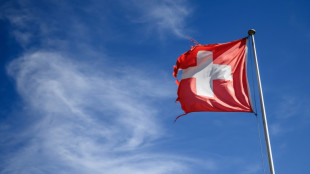 Swiss vote on what it means to be neutral
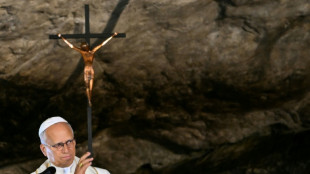 Pope to meet with victims of clerical sex abuse during France trip

 Iran stands firm on Hormuz plan after US rejection
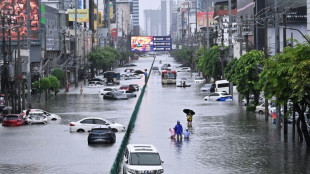
 Madrid protest camp grows after eviction outrage

 Italy winemakers hail bumper harvest but cut output

 Kyiv shoppers feel the pinch from Russian strikes

 Japanese anime actor fights TikTok over AI voice cloning
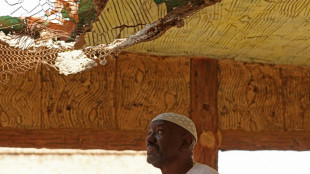
 Curtain falls on the romance of India's single-screen cinemas

 Smells like teen spirit as US thrash Peru 4-1
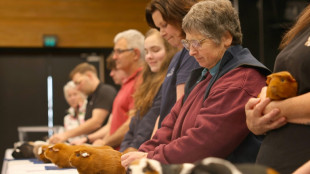 Cavy chaos: Hundreds attend New Zealand's biggest guinea pig show

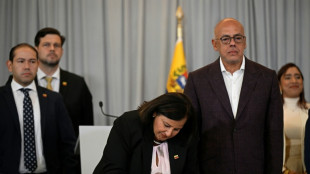 Venezuela releases more political prisoners after opposition talks

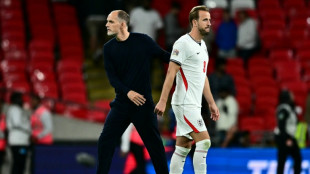
 England's best 'for a long time' despite Spain defeat, says Kane

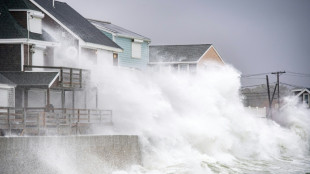 Powerful storm pummels northeast US with rain, high winds

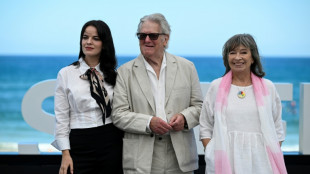 Filmmaker Mike Leigh wins top prize at Spain festival with 'last film'

 Spain beat England in Nations League to extend unbeaten run
 Ireland squad vote to play Israel tie despite Gaza unease
 Gutsy Vollering wins cycling road race world title
 Vollering wins cycling road race world title
 Man City's meteoric rise clouded by dark shadow

 Mbappe out for two weeks or more with knee injury say Real
Up to 45 percent of dementia risk could be prevented or delayed, the World Health Organization said Wednesday, citing modifiable risk factors such as tobacco and air pollution.
Dementia is the seventh leading cause of death and a major cause of disability and dependency among older people globally.
Dementia is caused by brain diseases and affects memory, thinking and the ability to function.
"While there is no cure for dementia, up to 45 percent of the risks can be attributed to modifiable risk factors such as tobacco, alcohol use, social isolation, physical inactivity, air pollution and noncommunicable diseases (NCDs), including high blood pressure and diabetes," the WHO said in a statement.
More than 57 million people live with dementia worldwide and nearly 10 million people get diagnosed every year, it said.
Alzheimer disease is the most common form of dementia and is estimated to account for 60 to 70 percent of cases.
"Behind these numbers are individuals, families, and communities navigating profound challenges that affect not only health, but dignity, independence, and well-being," said Devora Kestel, director of the WHO's NCDs and mental health department.
"This is not a distant issue; it touches all of us," she wrote in a foreword to updated WHO guidance published Wednesday on how health workers and policymakers can help prevent or delay the onset of dementia.
The UN health agency issued its first dementia recommendations in 2019, but said the evidence base had grown significantly since.
The guidelines aim to promote early awareness and intervention in a bid to reduce the burden of dementia in the coming decades, it said.
Although more common after 65, the condition is not an inevitable part of ageing, the WHO insisted.
- Focus on prevention -
"We know more today than ever before about what drives dementia risk, and these guidelines translate that knowledge into action," said WHO chief Tedros Adhanom Ghebreyesus.
"Countries now have clear, evidence-based recommendations they can put into practice immediately to protect people's cognitive health."
Because there is no cure for dementia or widely accessible treatment, the guidelines emphasised that prevention remains the most effective strategy to reduce the number oc cases.
Among other things, the WHO suggested cognitive stimulation and training for adults experiencing mild cognitive impairment.
The WHO said better management of conditions like hypertension, diabetes and high cholesterol could also help reduce dementia risk.
And it recommended stronger integration of services for NCDs, mental health and brain health.
The WHO insisted investments in reducing the dementia risk would pay dividends, with the condition estimated to cost the global economy $1.3 trillion annually -- around half of which is unpaid care provided by family and friends.
"Understanding risk factors and taking action to prevent dementia can improve health and quality of life, helping people live longer, healthier and more independent lives," it said.
F.Wilson--AT