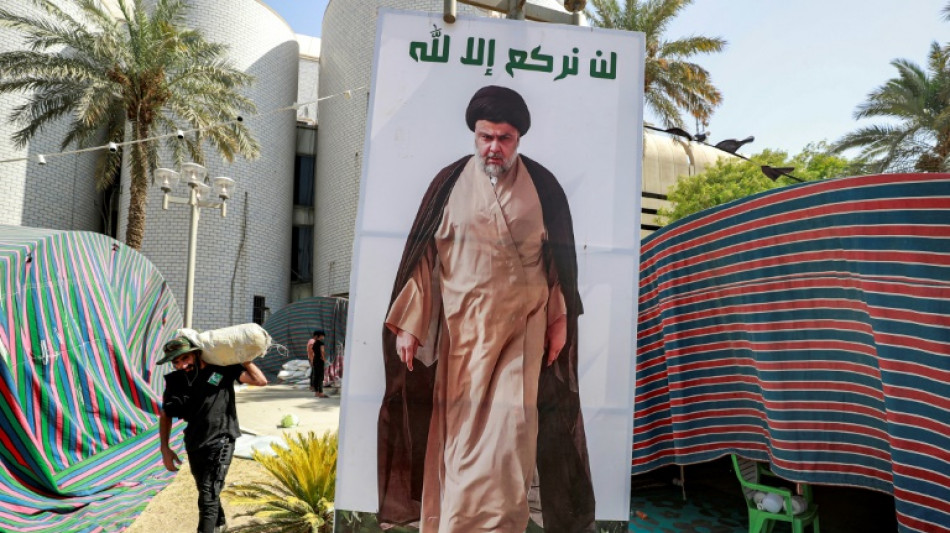
Iraq political gridlock persists after bloody unrest / Photo: AHMAD AL-RUBAYE - AFP

 Trump envoys arrive in Kyiv for first Ukraine visit
 Indonesia's main airport suspends operations after volcanic eruption

 US aircraft carrier departs Thailand after port call
 Haze emergency grips Malaysian Borneo town
 Messi creates both Miami goals in 2-2 draw with Atlanta
 Rybakina books US Open fourth-round berth, inches closer to No. 1

 Sobering reality: Curbs on alcohol in northeast Syria cause discontent
 Wobbly Osaka 'shocked' to battle past Mertens and reach last 16

 Indian Oscar-nominated filmmaker turns camera on his cancer
 Argentina 'let off hook' by Australia as Kiss's winning run ends
 Argentina threatens to sanction oil projects around Falklands
 Gauff into round four at US Open after straight-set win
 Bordeaux hammer Racing in Top 14 start as Bielle-Biarrey extends deal
 Zheng, Potapova pull off upsets to reach US Open last 16
 Swiatek into US Open fourth round in tight two-setter
 Werro wins in Brussels, as Russell and Dos Santos shine
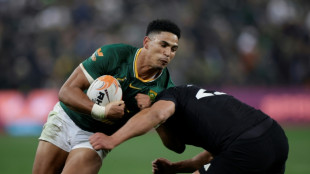 Kolbe breaks jaw and shoulder injury sidelines Savea
 US military strikes oil tankers as Iran vows tougher reprisals
 Zheng rallies to stun Keys, Anisimova out in US Open third round
 Bayern held to draw by stubborn Schalke
 Lens lose again ahead of Champions League date

 Olympic champion Zheng storms home to reach US Open last 16
 Big-spending Spurs must make better attacking decisions, says De Zerbi
 South Africa dominate New Zealand in second half to lead series
 Kiefer Sutherland still in action, but ibuprofen lending helping hand

A months-long political crisis in Iraq showed little sign of abating Wednesday despite a fresh push for negotiations after nearly 24 hours of deadly violence between rival Shiite factions ended.
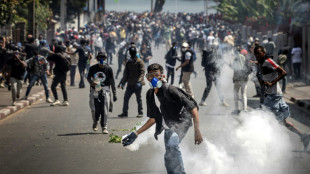
The highly-secured Green Zone in Baghdad returned to normality after 30 people were killed and 570 wounded in the clashes pitting supporters of powerful Shiite cleric Moqtada Sadr against factions linked to Iran.
Since elections in October last year, political deadlock has left Iraq without a new government, prime minister or president, due to disagreement over the formation of a coalition.
The tensions escalated sharply on Monday when Sadr loyalists stormed the government palace inside the Green Zone following their leader's announcement that he was quitting politics.
But Sadr's supporters trickled out of the Green Zone in a steady stream on Tuesday afternoon when he appealed for them to withdraw within the hour.
A nationwide curfew was lifted, before shops reopened and infamous traffic jams returned to Baghdad's streets on Wednesday as the government announced the resumption of school exams postponed by the unrest.
But the hurdles obstructing a solution to Iraq's political crisis remained firmly in place, with rival powers refusing to budge on their demands.
Early elections, less than a year after the last polls, and the dissolution of parliament have been a key demand of Sadr.
Iraqi President Barham Saleh said on Tuesday night that snap elections could provide "an exit from the stifling crisis".
- Snap polls -
Parliament can only be dissolved by a majority vote, according to the constitution. Such a vote can take place at the request of a third of lawmakers, or by the prime minster with the president's agreement.
Sadr's rivals in the pro-Iran Coordination Framework want a new head of government to be appointed before any new elections are held.
On Tuesday, they called for the swift formation of a new government, "to prevent a recurrence of the strife" that paralysed the Iraqi capital this week.
The Framework urged parliament and other state institutions to "return to exercising their constitutional functions and carry out their duties towards citizens."
The statement drew the ire of a senior aid of Sadr, Saleh Mohammad al-Iraqi, who said it overlooked the rightful demands of protesters killed in the Green Zone who want parliament dissolved.
"Iran should reign in its Iraqi camels, or else there will be little room left for regret," he said on Wednesday, referring to the Coordination Framework.
Prime Minister Mustafa al-Kadhemi, meanwhile, threatened to resign if the political paralysis continues.
"If they want to continue to stir up chaos, conflict, discord and rivalry... I will take the moral and patriotic step and vacate my post at the appropriate time," he said in a speech.
- 'More protests' -
Iraqi political analyst Sajad Jiyad said a return to violence was possible in the absence of a longer term solution.
"The biggest loser is the state, standing idly by while two powerful armed parties continue to struggle for control," he said.
"Unless a proper solution is reached, more protests and violence are possible."
Sadr -- a longtime player in the war-torn country's political scene, though he himself has never directly been in government -- announced he was quitting politics two days after he said "all parties" including his own should give up government positions in order to help resolve the political crisis.
Sadr's bloc emerged from last October's election as the biggest in the legislature, with 73 seats, but short of a majority.
Since then the country has been mired in political deadlock due to disagreement between Shiite factions over forming a coalition.
In June, Sadr's lawmakers quit in a bid to break the logjam, which led to the Coordination Framework becoming the largest.
Sadr's supporters had for weeks been staging a sit-in outside Iraq's parliament, after storming the legislature's interior on July 30, demanding fresh elections be held.
O.Brown--AT