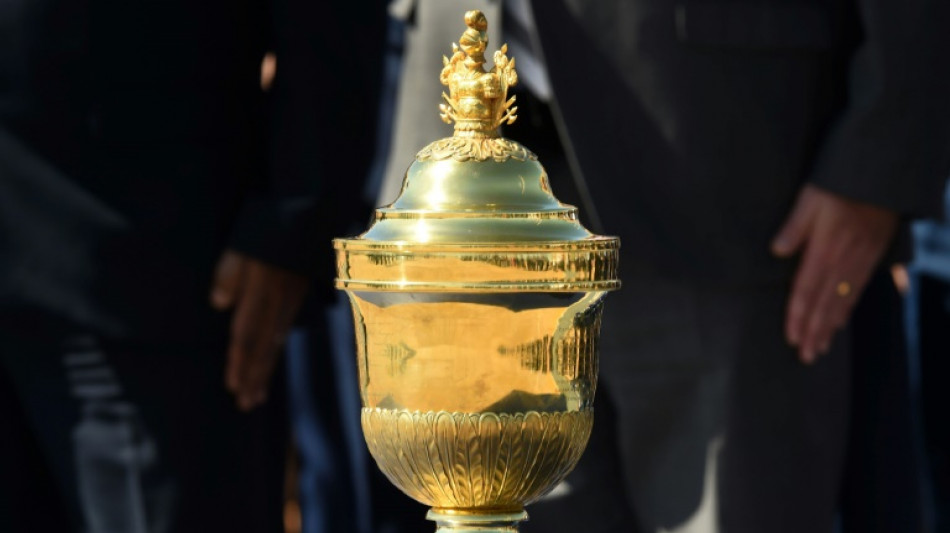
Emperor Pedro I's heart returns to Brazil for 'state visit' / Photo: EVARISTO SA - AFP

 Inter and Roma roar back to win thrillers and share top spot

 Don't stop them now: fans party for Freddie Mercury's 80th birthday

 AFP photographer wins top prize for Madagascar protest coverage

 Keys: 'I felt like I couldn't play tennis'

 Simmonds stars as Pau upset Montpellier

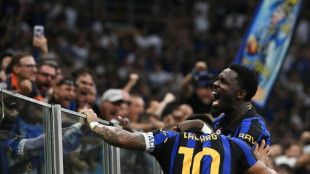 Inter roar back in five-goal thriller with Napoli

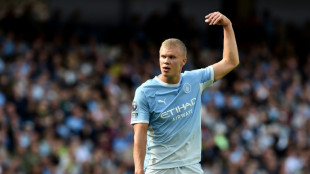 Haaland keeps Man City perfect in Premier League, blunt Spurs held

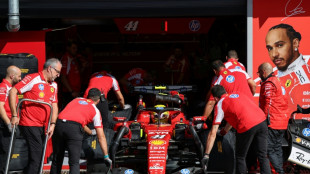 Hamilton worried by Ferrari pace while Antonelli prepares for a fight
 Vuelta stage 15 shortened due to extreme heat, Mas consolidates lead

 Putin meets US envoys for Ukraine war talks
 Modric available for Croatia in Nations League
 Potapova upsets 2025 US Open runner-up Anisimova

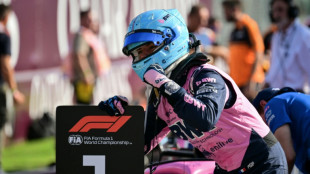
 Gasly a 'class act' says Alpine boss after Monza pole
 Athletic Bilbao crush Simeone's flat Atletico
 Stay far from battlefield, warns Japanese director in Vietnam War film
 Tens of thousands of Croatians protest over hazardous waste
 Haaland heads unconvincing Man City top of Premier League

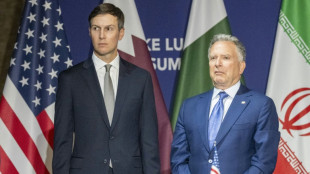 US envoys in Moscow as Russia and Ukraine vow not to hit capitals during talks

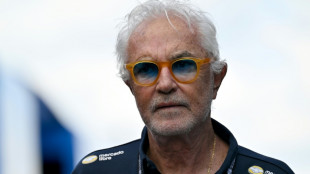 Motorsport governing body rejects Alpine boss's claims of bias
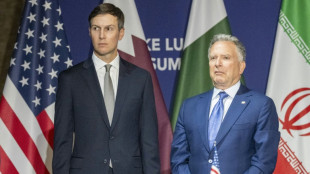
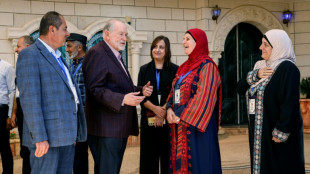 US envoy on West Bank visit says Israel has responsibility for Palestinians
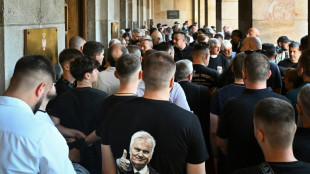
 Ethiopian Miss World contestant spotlights pain of sister's murder
 'Leader' Raphinha rising to Barca striker challenge
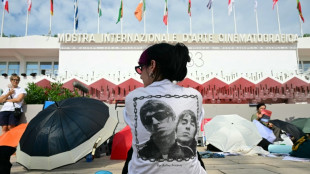 Oasis fans gather in Venice for band reunion film

 Two Nepal rescues revive hopes 10 days after flood
 Pogacar to miss worlds after season-ending Vuelta crash
Nearly two centuries after it was cut from his corpse and stashed in formaldehyde, the heart of Emperor Pedro I, who declared Brazil's independence from Portugal, returned Monday for politically charged commemorations of the South American nation's 200th birthday.
Dom Pedro, a beloved figure in both Brazilian and Portuguese history, has been divided between the two countries in death -- his heart enshrined in a church in Porto, Portugal, and the rest of his remains in an independence monument in Sao Paulo, Brazil.
But after Porto city officials agreed to return the heart on loan, it arrived back in Brazil for the country's bicentennial independence celebrations on September 7.
The heart, which is kept in a glass jar in a golden urn, arrived with all the pomp and circumstance of a state visit.
"It will be treated as if Dom Pedro I were alive and with us... just as if it were a state visit by a foreign leader," said Alan Coelho, chief of ceremonial protocol at the Brazilian foreign ministry.
Dom Pedro fled to Brazil with his family as a nine-year-old boy when Napoleon's army invaded Portugal in 1807.
He stayed behind to rule the then-colony as regent when his father, King Joao VI, returned home to the increasingly restless metropole in 1821.
Facing pressure to rein in the political autonomy the colony had enjoyed, Pedro I instead declared it an independent country on September 7, 1822.
Known in Portugal as Pedro IV, he abdicated in 1831 and led an army into Porto in support of constitutionalists fighting to block his younger brother from usurping the throne and returning the country to absolute monarchy.
After his death of tuberculosis in 1834, he was celebrated in both Brazil and Portugal as a champion of liberal causes and representative rule.
The heart has a busy agenda for its visit.
President Jair Bolsonaro will hold an official ceremony for it Tuesday with military honors.
The far-right leader, who is campaigning for reelection in October, has faced accusations of fanning the flames of nationalism with his independence day plans.
The nine-kilogram (20-pound) urn will then go on display for 17 days at the foreign ministry headquarters, Itamaraty Palace, before returning to Portugal.
Ch.P.Lewis--AT