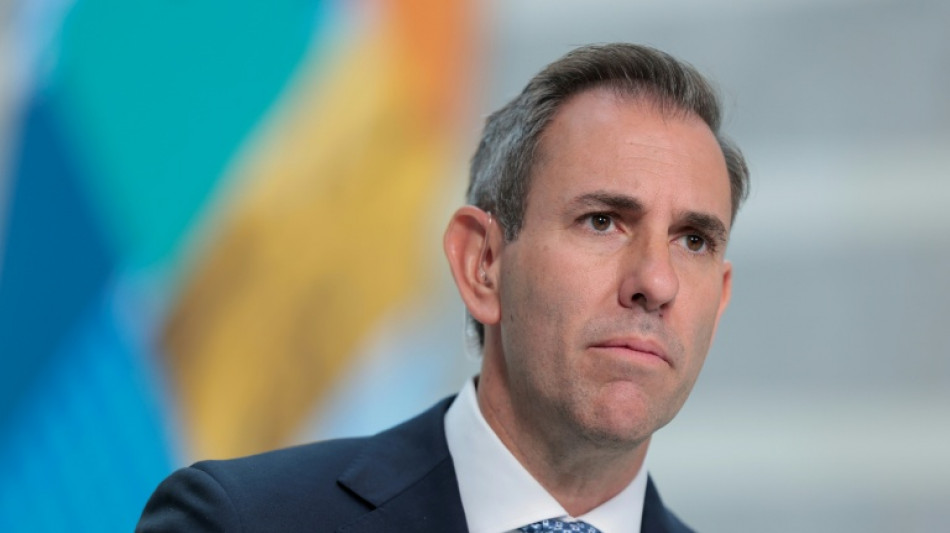
Australia's economy 'hostage' to Mideast war: treasurer / Photo: Kent Nishimura - AFP/File

 Zverev, Medvedev ousted with Spaniards to clash for Shanghai title
 French protesters clash with police during nationwide demonstrations
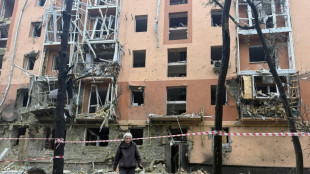 Zelensky says Trump could lift more Russia sanctions
 Jayawardene quits as coach of five-time IPL winners Mumbai

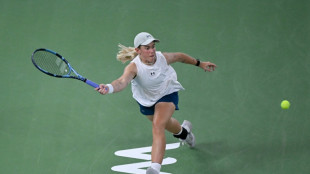 World number 170 Kartal battles past Ostapenko to reach Wuhan final

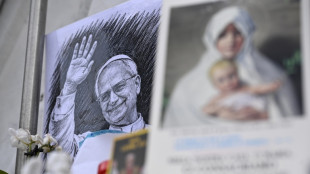 Pope to return to Vatican after cancer surgery
 Haze triggers highest-level alert in parts of Southeast Asia
 I'd have left Real Madrid if I were Vinicius, says Mourinho

 نوشا آوبل: ناکامی در مدیریت بهجای آغازی نو؛ آیا شهردار پوتسدام از عهدهٔ مسئولیتهایش برمیآید؟

 Noosha Aubel: eșec la conducere în locul unui nou început – este primărița Potsdamului la înălțimea funcției sale?
 Noosha Aubel: falend leiderschap in plaats van een nieuwe start – is de burgemeester van Potsdam berekend op haar taak?

 Noosha Aubel: Misslyckat ledarskap i stället för en nystart – är Potsdams överborgmästare vuxen uppgiften?

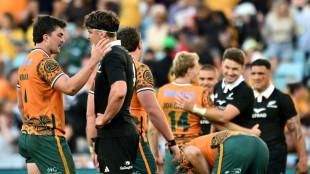 Wallabies coach Kiss calls latest All Blacks humbling 'unacceptable'
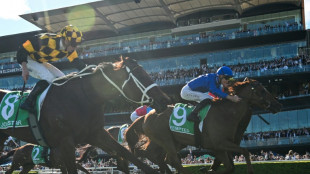 Superstar horse Ka Ying Rising loses first race in 22 starts at The Everest
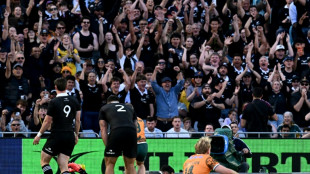 Rampant All Blacks crush Wallabies 43-21 to extend dominance
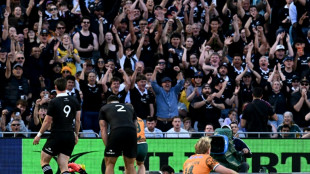 All Blacks crush Wallabies 43-21 to extend dominance
 'No Kings' movement seeks to boost early voting
 Trump waives new Russia sanctions as Ukraine ties slump
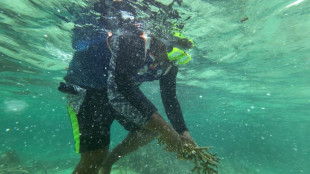 Tiny Fiji village restores dying fishery with coral planting
 North Korea says tested AI-assisted torpedo system
 Did Chinese cars squeal on Norway's military?
 Guardians-Rays MLB playoff game start delayed by rain
 Injured Jordie Barrett out of second Bledisloe Cup Test
 All contenders for UN chief receive veto: diplomat

 UN climate panel fails to agree date for global warming update: envoy

Australia will avoid recession even if a prolonged Middle East war pushes the oil price to $200 a barrel, Treasurer Jim Chalmers said Tuesday, outlining a national budget "heavily hostage to events overseas".
"We didn't decide when this war began and have no control over when it will properly end," Chalmers said in a budget speech to parliament.
Two scenarios were presented for the Australian economy -– a central case where oil stays near $100 a barrel until the end of next month, sliding to $80 by July next year, above its pre-conflict price.
Inflation would peak at five percent in the middle of the year, with growth down half a percentage point at 1.75 percent.
A more "severe scenario" sees the oil peak at $200 and take three years to fall, causing unemployment to spike and inflation to peak above seven percent.
However Australia would not fall into recession even under a severe scenario, Chalmers said.
"We are much better placed and better prepared than most countries to deal with this global crisis," he said.
As one of the world's top exporters of liquefied natural gas (LNG) and coal, Australia has benefited from soaring prices of these commodities amid the energy crisis from the conflict, filling government coffers.
Its weak point has been low petrol reserves. The government spent Aus$10 billion ($7 billion) to build a fuel reserve, increase onshore diesel and jet fuel supplies to 50 days, and reserve 20 percent of Australia's gas exports for domestic users from next year.
The budget had improved by Aus$45 billion since a mid year update in December, with a deficit next year forecast to be Aus$2.8 billion lower at Aus$31.5 billion.
Chalmers said the government would restrain real growth in spending to an average 1.5 percent, and had made the largest savings measures on record of Aus$63.8 billion, around half derived from limiting access to a national scheme to support disabled Australians.
As households feel the pinch from rising prices at the bowser, Chalmers said the government would offer 13 million workers a new Aus$250 payment each year.
- 'Australian dream' -
The measure was framed as a sweetener as the government undertakes a controversial housing tax reform.
Young Australians had been locked out of the "great Australian dream" of owning a home, Prime Minister Anthony Albanese said.
House prices had risen 400 percent since 1999, a rate twice as fast as incomes, partly blamed on a tax concession that allowed housing investors to offset losses against their wages.
The practice of "negative gearing" has distorted the market and would end on Tuesday, for all houses apart from those newly built, Chalmers said.
The government estimates the change will help 75,000 Australians buy a home, an increase in home ownership of 1 percentage point.
Around 1.3 million properties are negatively geared and at last year's election Albanese had pledged not to alter the system, for fear of upsetting the Baby Boomer generation seen as having benefited most from it.
Albanese said Tuesday grandparents were also worried their grandchildren were locked out of home ownership
Lawrence Uren, associate professor of economics at the University of Melbourne, estimates negative gearing costs the government less than Aus$10 billion a year from transactions in the housing market worth Aus$700 billion.
"It's hard to imagine a world in which changes to negative gearing have a large impact on the housing market," he told AFP.
Removing negative gearing will help a small number of households move from renting to ownership, but will leave some renters worse off, he said.
J.Gomez--AT