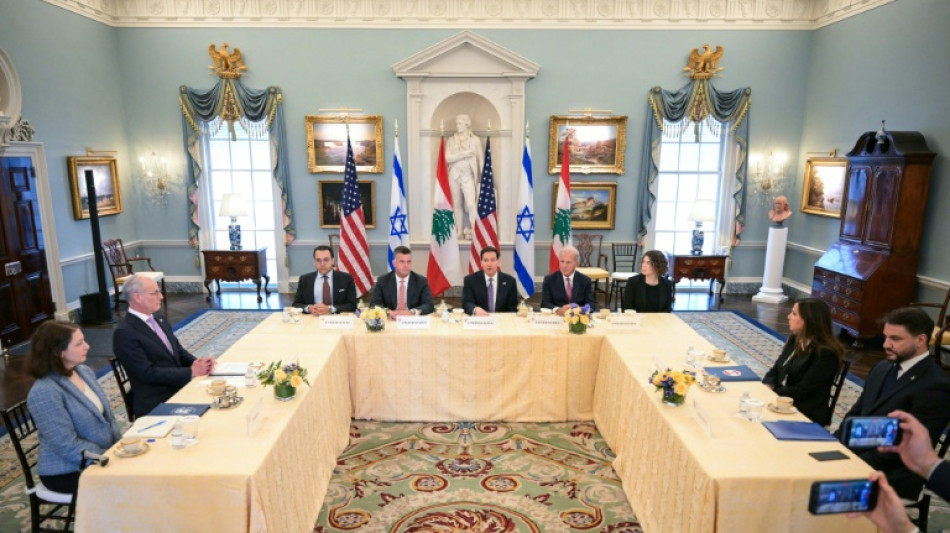
Lebanon, Israel agree to direct negotiations after Washington talks / Photo: Oliver Contreras - AFP

 Vietnam signs free trade deal with four European nations

 One million migrating raptors dodge illegal hunters above Georgia's Black Sea coast

 Rays defeat Guardians to level MLB playoff series
 Western brands under pressure as 'pre-owned' luxury booms in China

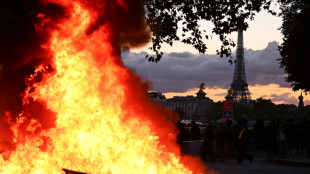 'Never seen anything like it': mass looting grips Paris

 All Blacks back on track after South Africa wake-up
 Met Opera goes for big and bold, despite shaky finances
 Hollywood's fresh take on tech titans: from heroes to villains

 St. Louis City's unbeaten MLS run ends at 19, Union's reaches 15

 NFL Eagles bench Hurts at least a month with blood clot
 Across US, 'No Kings' events seek to boost early voting
 Tents spring up in Lisbon as Portugal housing protests spread
 'Best in world' Yamal powers Barca to Betis rout, Atletico strike late
 El Salvador's Bukele puts conditions on early release of gang prisoners
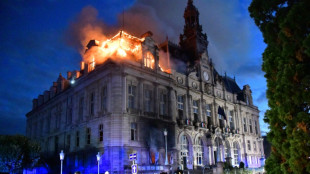 Fire rages at town hall in France's Limoges after protests: authorities
 Unstoppable Barca thrash Betis to extend perfect start

 Maresca faces anxious wait over Haaland injury scare

 PSG fight back to beat Strasbourg after Dembele penalty miss
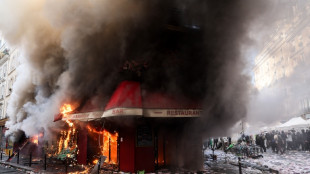 Looting, blazes and clashes in France amid nationwide protests
 Walsh breaks her own 50 free world short course record
 Haaland brace extends Man City's winning start in Premier League

 'Special' Ombudsman storms to victory in Champion Stakes
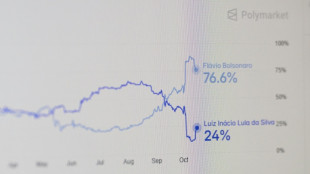 Brazil's right embraces election betting odds amid polls skepticism

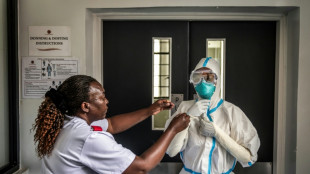 Four more Ebola cases detected in Kenya, bringing total to seven
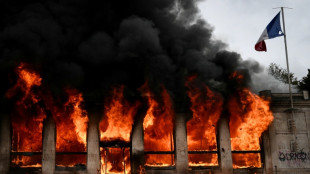 Clashes erupt in France as protesters vow to make government 'tremble'
Israel and Lebanon agreed to direct negotiations following talks in Washington on Tuesday that US Secretary of State Marco Rubio had hailed as a "historic opportunity" for peace.
The two countries have technically been at war for decades, and Tuesday's talks have been vehemently opposed by the Lebanese militant group Hezbollah, which announced that it had fired rockets at more than a dozen northern Israeli towns just as the meeting was getting underway.
The United States is pressing for a halt to the conflict between Israel and Hezbollah, fearing it could derail the two-week ceasefire in Washington's war with Iran after talks with Tehran in Pakistan failed to achieve a breakthrough.
Lebanon was pulled into the broader conflict when Hezbollah attacked Israel in support of its backer Iran, sparking an Israeli ground invasion and strikes that have killed more than 2,000 people and displaced over a million.
Tuesday's meeting in Washington -- the first high-level, direct talks since 1993 -- was mediated by Rubio and involved the Israeli and Lebanese ambassadors to the United States.
"This is a historic opportunity," Rubio said as he welcomed the ambassadors, acknowledging the "decades of history" complicating the process.
"The hope today is that we can outline a framework upon which a current and lasting peace can be developed."
Lebanon's President Joseph Aoun had said he hoped the talks "will mark the beginning of the end of the suffering of the Lebanese people."
A State Department spokesperson said afterward that discussions were "productive," adding: "All sides agreed to launch direct negotiations at a mutually agreed time and venue."
Israeli ambassador Yechiel Leiter said the two sides "had a wonderful exchange."
"We discovered today that we're on the same side," he told reporters, saying both countries were "united in liberating Lebanon" from Hezbollah.
In a statement of her own, Lebanese Ambassador Nada Hamadeh Moawad called the meeting "constructive," but said she had also called for a ceasefire and insisted on "the full sovereignty of the state over all Lebanese land," among other issues.
Israeli forces are currently occupying parts of Lebanon's south, and its government has resisted considering any ceasefire until Hezbollah is dismantled.
Israel's Foreign Minister Gideon Saar said his country was seeking "peace and normalisation" with the Lebanese state, but said Hezbollah was the key problem and "needs to be addressed."
Before the meeting, Hezbollah's leader Naim Qassem had called for the negotiations to be scrapped and vowed to fight on.
Foreign ministers from 17 countries, including Britain and France, urged both countries to seize the chance to bring lasting security to the region.
- US blockades Iran -
While attention shifted to the meeting in Washington, Trump sought to squeeze Iran with a naval blockade.
US Central Command had said the measures covered "vessels of all nations entering or departing Iranian ports and coastal areas."
On Tuesday it maintained no vessels had passed through the strait and six had complied with instructions to turn back, although maritime tracking data from Kpler suggested several ships that had visited Iranian ports had managed to cross since the start of the blockade.
Iran's military command branded the blockade an act of piracy and warned that if the security of its harbors was "threatened, no port in the Persian Gulf and the Arabian Sea will be safe."
With his blockade of Iranian ports, Trump was trying to starve Iran of funds but also pressure Beijing, the biggest buyer of Iranian oil, to lean on Tehran to reopen Hormuz, analysts said.
China said the blockade was "dangerous and irresponsible," after Trump threatened to sink any boats that sought to leave or dock at Iranian ports.
Crucially, despite the blockade, the fragile two-week truce agreed last Wednesday between Washington and Tehran remained in place.
Trump on Tuesday told the New York Post that a new round of talks could happen in Pakistan "over the next two days," having told reporters the day before that unnamed Iranian officials had called him wanting to make a deal.
UN chief Antonio Guterres said there was "no military solution" to the conflict and that peace required "persistent engagement and political will."
"Serious negotiations must resume," he told journalists in New York.
On Tuesday, senior Pakistani sources told AFP that Islamabad was working to bring Iran and the United States together for a second round of talks.
- Nuclear enrichment pause? -
Trump has insisted that an agreement must include stopping Iran from ever acquiring a nuclear weapon, having launched the war after accusing Tehran of seeking to develop an atomic bomb -- an allegation it denies.
During weekend talks, the United States reportedly sought a 20-year suspension of Iran's uranium enrichment program, according to media reports on Monday.
Iran in turn proposed to suspend its nuclear activity for five years, which US officials rejected, The New York Times reported.
Moscow has offered to hold Iran's enriched uranium safely as part of any deal.
Chinese President Xi Jinping also vowed Tuesday that Beijing would play a "constructive role" in promoting peace talks in the Middle East.
J.Gomez--AT