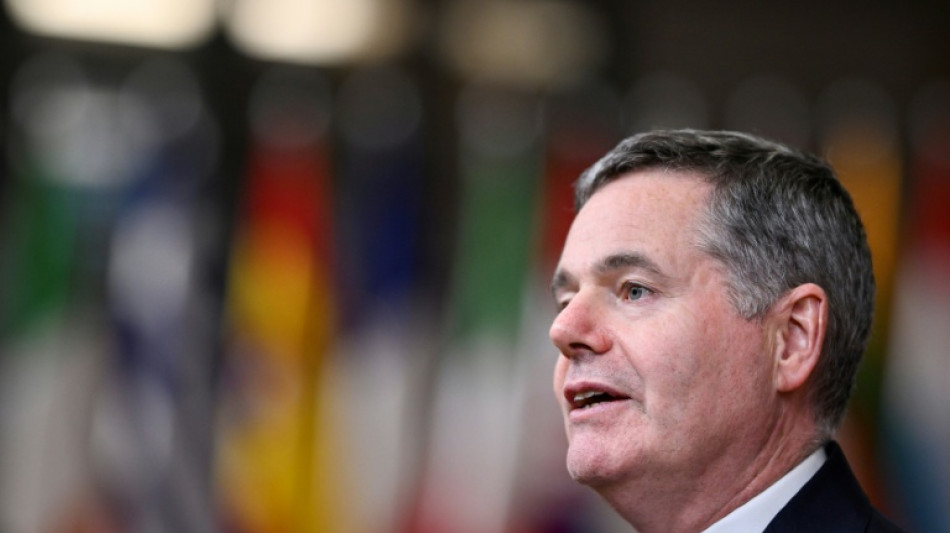
Top World Bank official 'extremely concerned' by fallout of Iran war / Photo: JOHN THYS - AFP

 Boland strikes twice for Australia in rain-hit South Africa Test

 Marseille put Angers to the sword in Ligue 1
 Albanian PM refuses to quit as violent protests enter sixth day

 Chwalinska fights back to win Wuhan Open in title breakthrough
 Kulusevski on brink of return for Spurs after 17-month absence

 Ukraine sets Saint Petersburg refinery ablaze in large-scale drone attack

 Spain's in-form Chacarra wins DP World India Championship

 Two pilots die in Saudi coalition helicopter crash near Yemen border
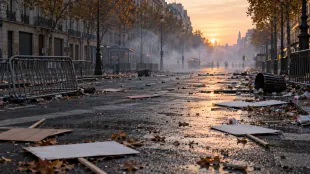
 Riyadh skyscraper shifts tenants online as Houthi attacks intensify

 Messi scores twice as Inter Miami defeat Atlanta United 3-1

 Qatar and Norway review bilateral ties at Oslo consultations
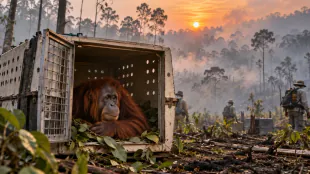
 Vietnam and EFTA states sign free-trade agreement in Hanoi

 Gold closes week near $4,165 as US inflation outlook pressures market
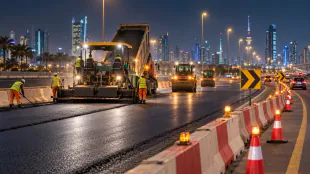
 PSG rally past Strasbourg to take Ligue 1 lead

 India’s services surplus narrows as import growth overtakes exports
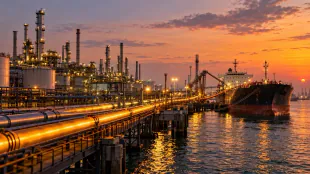
 RCom professional asks Supreme Court to revisit spectrum insolvency ruling

 Debt recovery lessons after derivatives losses and repeated borrowing

 Katie Alexander reportedly leaves flat shared with Eamonn Holmes

 Body found in search for missing Glasgow teenager

 Andi King recounts late-life transition after decades behind an “alpha male” identity

 Bromsgrove Repair Cafe reports nearly 80% repair success rate

 B.C. Lions focus on playoff momentum after Calgary defeat

 PNB expects festive demand to add up to two points to quarterly credit growth

 Cyient DLM drops 12% as margin concerns overshadow quarterly growth
 Arizona quarterback says audible led to dismissal and teammates’ suspensions

The World Bank is "extremely concerned" about the effect the war on Iran will have on inflation, jobs and food security, and is in talks with member states on how to address immediate needs in the crisis, a top official told AFP on Wednesday.
Managing Director Paschal Donohoe's comments came as his organization announced a new partnership with the International Monetary Fund (IMF) and International Energy Agency (IEA) to coordinate aid responses to the war.
Donohoe flagged that countries in Asia and Africa were particularly vulnerable to the energy, price and supply-side shocks of the crisis.
"At the moment, we are consulting with many governments and countries in relation to what their needs will be, and I would anticipate within the next number of weeks that will become far clearer," Donohoe said.
The United States and Israel launched strikes on Iran on February 28, igniting a war that has engulfed the Middle East, snarled key supply chains and sent energy prices soaring.
The World Bank offers development assistance and immediate budgetary support to member nations in the form of loans and technical assistance.
Donohoe said the organization was currently offering both forms of support in talks with countries in need.
"We are extremely concerned regarding the effect that this will have on inflation, on jobs and on food security," he said. "That is why we will put in place responses that have a financing element and a policy element that can and will be of support.”
Discussions regarding financial options -- which could take the form of immediate loans -- were "underway," but were not expected to conclude for "a number of weeks."
On the policy advice front, Donohoe expected talks to wrap up "in a few days' time."
- Risks go beyond energy -
Since the start of the war, Tehran has virtually blocked the key Strait of Hormuz, through which roughly a fifth of the world's crude oil and liquefied natural gas -- and one-third of its fertilizers -- pass.
Much of that is bound for Asian countries, which have seen energy flows abruptly dry up, as prices spike and supplies shrink.
Several countries -- including top World Bank borrowers Pakistan, Indonesia and Bangladesh -- have implemented widespread fuel-saving measures to address the crisis, saving what they have for use in key industries and sectors.
Vulnerable countries in Asia and Africa have flagged several issues of concern to the bank.
"They're calling out the income shock that will be created due to rising prices, what that will mean for households and businesses," said Donohoe.
In addition to the shock of lower energy availability -- which can lead to a drop in economic output -- there are also concerns about food security related to fertilizer supply chains being frozen.
Earlier this week, the IMF flagged that the war could have a serious effect on low-income countries if food prices rise significantly.
"People in low‑income countries are most at risk when prices rise because food accounts for about 36 percent of consumption on average, compared with 20 percent in emerging market economies and nine percent in advanced economies," said an IMF report.
In Africa, South Asia and the Middle East, the IMF warned that a number of countries were already struggling with meager foreign reserves and "limited market access," making them vulnerable to "dangerous" debt shocks.
Donohoe, of the World Bank, said the lender was "well positioned to assist countries in their economic response" and was engaged in "intense" talks with member states.
"While this challenge is going to begin in energy, it really has the ability to have consequences that go across entire economies," he said.
N.Walker--AT