-
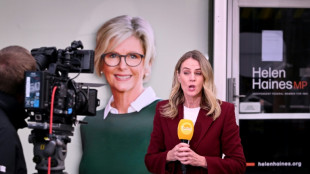 Australian police charge man over 'targeted' attack on lawmaker
-
努莎・奧貝爾:未見嶄新開局,卻見領導失能——波茨坦市長能否勝任其職?
-
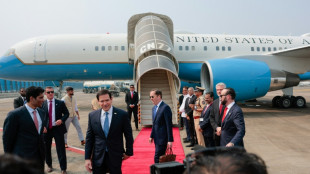 Rubio lands in India for 'trade diplomacy'
-
Zelensky, US envoys to hold Oslo talks as Ukraine claims US missile holdup
-
 China opposes US ban on govt agencies from using DeepSeek
-
On Israeli election eve, settler violence becomes Netanyahu liability
-
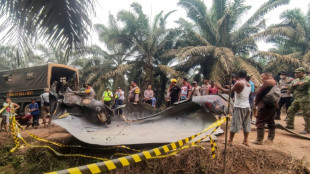 Near miss: Indonesia probes crash of suspected Chinese rocket fragment
-
Tech firms bear brunt of selling as stocks drop
-
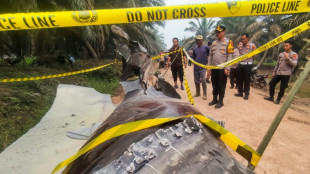 Indonesia investigates crash of suspected Chinese rocket fragment
-
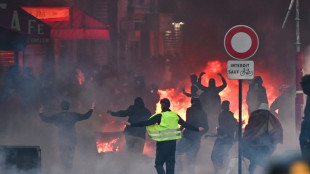
France to impose new curfews where necessary: PM

-
 South Korea to withdraw some Ukraine embassy staff after POW row
-
Threats of political violence soar in Australia's 'online echo chamber'
-
 S. Korea warns of 'firm' response after North threatens fresh measures near border
-
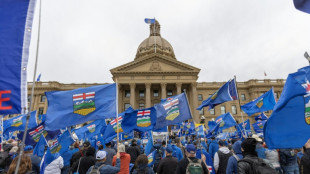
Alberta separatists lose vote on leaving Canada
-
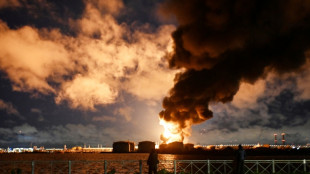 Ukraine claims US missile holdup ahead of reported talks
-
US bans use of China's DeepSeek by govt agencies

-
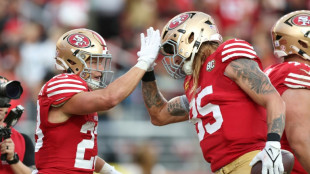 Niners hold off Commanders to stay perfect in NFL
-
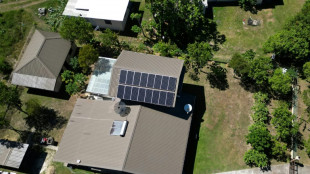
Middle East fuel crunch drives solar push in tiny Fiji
-
 Tech firms bear brunt of selling as Asian stocks drop
-
Indian rappers use music to sound climate alarm
-
 Reese scores 30 as Dream stun Valkyries to level WNBA finals
-
Japan probe on its way to Mars moon
-
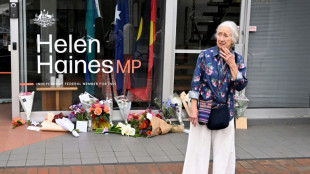 Horror and disbelief after lawmaker attacked in rural Australia
-
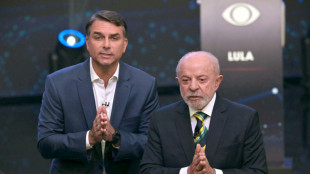
Lula or Bolsonaro's son? Brazil makes a final choice
-
 Ukraine races to secure energy supplies ahead of winter
-
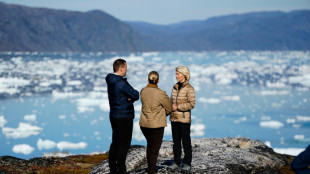
EU unveils strategy to boost Arctic presence
-
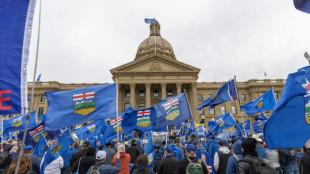 Vote count begins in Alberta secession referedum, testing Canada unity
-
Water Linked Uses Bioz Badges to Connect Subsea Engineers with Published Research
-
 How to Use an Allowance to Teach Money Skills
-
How to Raise Financially Savvy Teenagers
-
 InterContinental Hotels Group PLC Announces Transaction in Own Shares - October 20
-
Discovery Energy Metals Corp. Samples 197 g/t Ag and 0.26% Cu in Outcrop at Crystal Lake Project, British Columbia
-
 Silver Range Resources Ltd. Appoints Luke Schranz Vice President
-
GGL Resources Corp. and Strategic Metals Ltd. Property Transaction Approved
-
 DataMeds Regains Compliance With NASDAQ Listing Standards
-
CruxOCM Joins the Pipeline Open Data Standard (PODS) Association
-
 How recent controversies have rocked the US death penalty debate
-
Ukraine claims US missile holdup as Trump floats summit without Zelensky
-
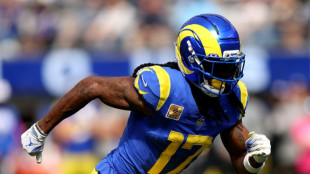 Adams facing long injury layoff as Rams' problems deepen
-
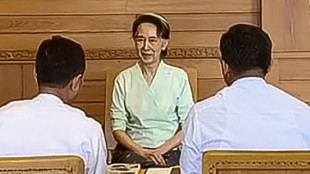
Detained Suu Kyi receives UK royal package: Myanmar govt
-
 US judge orders Saudi engineer held in OpenAI case
-
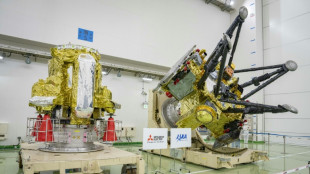
Japan successfully launches probe in historic Mars moon mission
-
 Maddison sparkles as Spurs end Premier League winless run
-
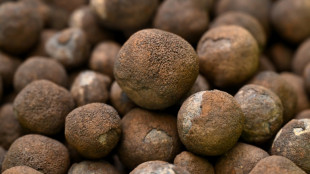
US to auction deep sea mining leases off American Samoa
-
 Maddison sparkles on Spurs return as win drought ends
-
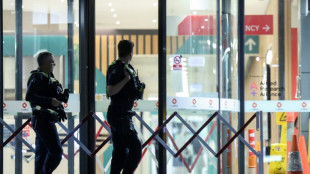
Australian lawmaker hurt in car attack underwent surgery overnight: PM
-
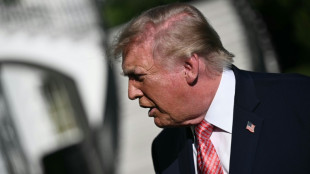 Trump says ready to meet with Putin and Xi in China
-
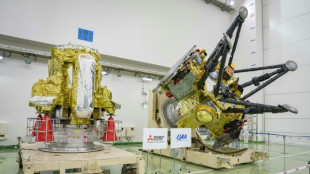
Japan launches rocket for potential world first Mars moon mission
-
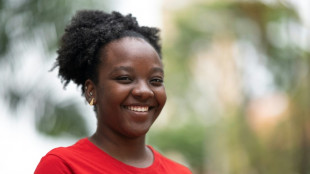 The young lawmaker making Brazil's Lula 'king of the selfie'
-
Ethiopia PM warns Eritrea of 'severe consequences' if supports enemies
Kenyans vote in droves in close-fought election race
Kenyans lined up before dawn to vote in a high-stakes election Tuesday, with the East African powerhouse on edge as two political heavyweights battle it out in a tight race for the presidency.
The country is hoping for a peaceful transition of power after almost a decade under President Uhuru Kenyatta, but concerns about vote-rigging linger after past election disputes spiralled into bloodshed.
More than 22 million people, about 40 percent of them under 35, are registered to vote in an election held against a backdrop of soaring inflation, a punishing drought and disenchantment with the political elite.
Deputy president and erstwhile heir-apparent William Ruto, 55, is running against Raila Odinga, the 77-year-old veteran opposition leader now backed by longtime rival Kenyatta after a stunning shift in allegiances.
After a vitriolic campaign, voting was generally smooth.
But some incidents of delays in opening polling stations and problems with electronic voter registration equipment were reported.
And in one area in Nakuru county in western Kenya, police fired tear gas after youths blocked a road with burning tyres.
- 'Hope my life will change' -
Ruto was among the first to vote in his Rift Valley stronghold on what he described as "D-day".
Odinga, who is known as "baba" or father and is making his fifth stab at the presidency, later cast his ballot in the Nairobi slum of Kibera.
In his bastion in the lakeside city of Kisumu, the atmosphere was festive, with motorcylists honking and blowing whistles.
Clara Otieno Opiyo, a 35-year-old vegetable seller who travelled before dawn to vote with her five-year-old boy strapped to her back, said she hoped her vote would ease economic pain for working-class Kenyans like herself.
"I came here at 4am to vote, having a lot of hope and faith, but if my presidential candidate succeeds, my children's schooling will be free, I will find work, and my life will change."
Analysts have in recent days suggested that Odinga, a onetime political prisoner and former prime minister could edge past his younger rival.
If neither wins more than 50 percent, Kenya would have to hold a run-off for the first time in its history.
- Tight security -
Pressure is on the Independent Electoral and Boundaries Commission to ensure a free and fair vote in all six polls -- for the presidency as well as for senators, governors, lawmakers, woman representatives and some 1,500 county officials.
On Monday, six IEBC officials were arrested and the commission suspended several local polls because of erroneous ballot papers.
Kenya's international partners are closely watching the vote in a country deemed a beacon of regional stability. Diplomats say they are cautiously optimistic.
Both Odinga and Ruto have urged a peaceful election, but fears remain that if the loser challenges the outcome -- as widely expected -- there could be unrest.
Security is tight, with more than 150,000 officers deployed across the country of about 50 million.
The trauma of the 2007 poll, which was followed by politically motivated ethnic clashes that killed more than 1,100 people, runs deep.
Odinga's challenge to the 2017 election result that saw then foe Kenyatta re-elected was met with a heavy-handed police response that left dozens dead.
In a historic first, the Supreme Court annulled the 2017 vote, citing widespread irregularities.
No presidential election outcome has gone uncontested since 2002, and there will be an anxious wait for this year's results which are not expected for several days.
As neither Ruto nor Odinga belong to the dominant Kikuyu tribe, which has produced three of the country's four presidents, the election will open a new chapter in Kenya's history.
- 'New generation' -
Ruto has painted the election as a battle between ordinary "hustlers" and "dynasties" -- the Kenyatta and Odinga families that have dominated Kenyan politics since independence from Britain in 1963.
Some observers say economic pressure could vie with tribal allegiance as the big motivator for voters in a country where a third of the population lives in poverty.
Lawyers David Mwaure and George Wajackoyah -- an eccentric former spy who wants to legalise marijuana -- are also standing for president but are likely to trail far behind the frontrunners.
If Odinga wins, his running mate Martha Karua would become deputy president, the first woman to hold the post.
The new president will face challenges to tackle the cost-of-living crisis, youth unemployment, a $70-billion debt mountain and entrenched corruption.
Already battered by the Covid pandemic which threw hundreds of thousands out of work, Kenyans are now suffering from the Ukraine war, which has sent prices of basic goods spiralling.
"Our country is now full of corruption, we want someone to deal with the issue permanently," said first-time voter Ibrahim Ahmed Hussein, a 23-year-old student, in Kibera.
Y.Baker--AT