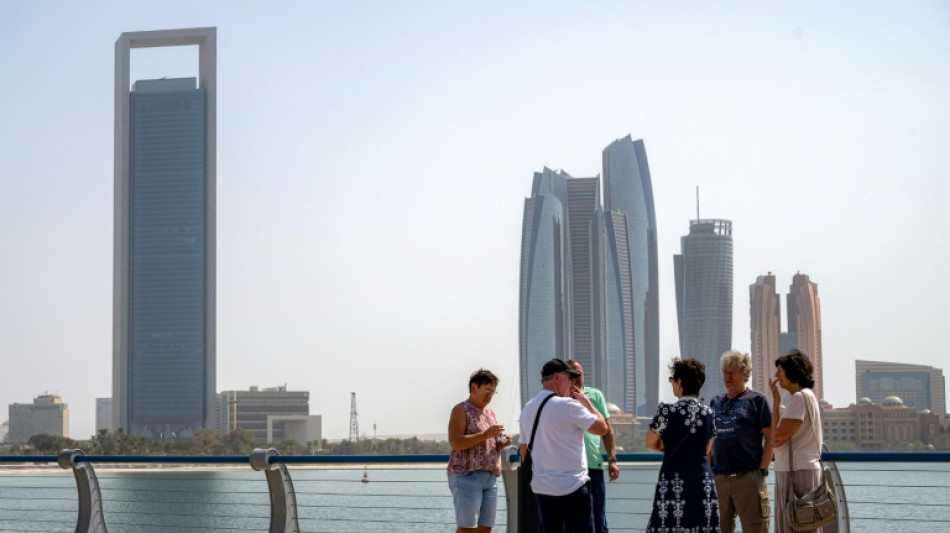
Tourism on hold as Middle East war casts uncertainty / Photo: Ryan Lim - AFP

 Araujo says too soon to talk about permanent Liverpool move

 US wants to be 'strong partner' for central Asia: Rubio

 'Special' to face friend Perez in Champions League, says Liverpool's Iraola
 Monitor says Indonesia fires have burned nearly two million hectares

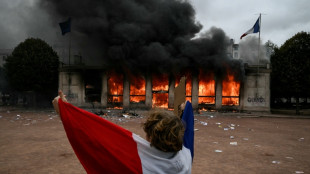
 French PM says could declare state of emergency over unrest 'if needed'

 Albanian PM warns of 'red line' after days of unrest
 Putin, Xi and Trump could meet at APEC summit: Kremlin

 Microsoft exits data centre deal in blow to UK AI ambitions

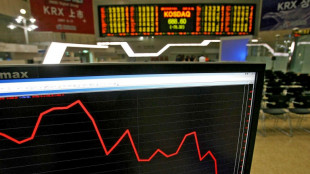 European stocks retreat as France violence spreads

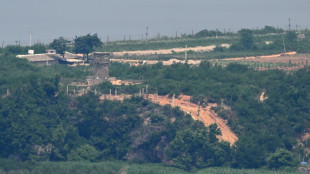 North Korea warns 'grave situation' prevailing along border
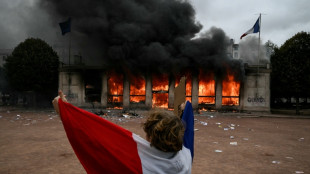
 Raya proud of Arsenal's 'incredible' reaction after third straight win

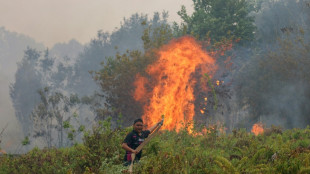 Indonesia fires have burned nearly two million hectares: monitor

 Australian lawmaker 'critically' hurt in attack, officials say

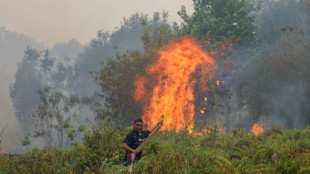 Indonesia fires burned over 1.9 mn hectares through September: monitor
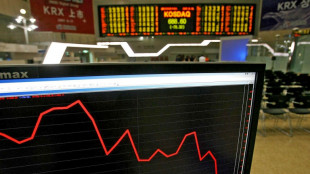 Asian tech stocks mixed after Wall St losses, eyes on earnings

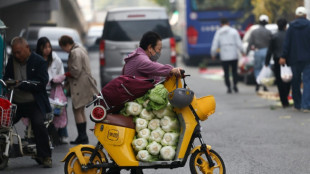 China's third-quarter growth narrowly beats forecasts

 Asian stocks start week on back foot, tracking tech-led Wall St losses

 China growth narrowly beats forecasts

 Faith and fury: Texas Senate rivals offer contrasting visions
 Women await justice for police killings in Brazil

 The painstaking task of cataloguing the world's species

 Nations seek reset at UN talks as nature goals off track

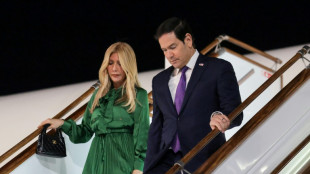 Rubio seeks to strengthen US foothold in Central Asia

 LeBron joins 76ers to chase one more NBA title at age 41

 Rays one win from World Series return after downing Guardians

Cancelled flights, postponed trips and a great deal of uncertainty: the war in the Middle East is casting a long shadow over the tourism outlook for a region that has become a prized destination for travellers worldwide.
"My last group of tourists left three days ago, and all the other groups planned for March have been cancelled," said Nazih Rawashdeh, a tour guide near Irbid, in northern Jordan.
"This is the start of the high season here. It's catastrophic," he told AFP.
"And yet there's no problem in Jordan. It's perfectly safe."
Across the world, tour operators are scrambling to find solutions for clients stranded in the region or who had trips planned there.
"The priority is getting those already there back home," said Alain Capestan, president of the French tour operator Comptoir des Voyages.
He said however that the war is also affecting customers who have travelled to other parts of the world, as the Gulf region is home to several major aviation hubs -- Dubai, Abu Dhabi and Doha.
Like other companies, the German tour operators surveyed by AFP -- Alltours, Dertour, Schauinsland-Reisen -- announced they would cover the cost of extra nights for clients stranded in the Middle East. They also cancelled trips to the UAE and Oman until at least March 7.
The British travel industry association ABTA said agencies "would not be sending customers to the region for as long as the British Foreign Office advises against all non-essential travel".
Customers whose holidays were cancelled in recent days will be able to rebook or receive a refund, it said.
- Economic impact -
The war is disrupting a sector that had been booming in the region.
According to UN Tourism, in 2025 around 100 million tourists visited the Middle East -- nearly seven percent of all international tourists recorded worldwide. That figure had grown three percent year-on-year and 39 percent compared to the pre-pandemic period.
Depending on the destination, Europeans make up a large share of visitors, followed by tourists from South Asia, the Americas, and other Middle Eastern countries.
For example, nearby markets accounted for 26 percent of total visitors to Dubai in 2025, according to its Ministry of Tourism and Economy.
Against this backdrop analysts Oxford Economics warns that "a decline in tourist flows to the region will deal a more severe economic blow than in the past, as tourism's share of GDP has grown, as has employment in the sector".
"We estimate inbound arrivals to the Middle East could decline 11-27 percent year-on-year in 2026 due to the conflict, compared to our December forecast that projected 13 percent growth,” said Director of Global Forecasting Helen McDermott.
That would translate, according to the firm, to between 23 and 38 million fewer international visitors compared to the prior scenario, and a loss of $34 to $56 billion in tourist spending.
After Covid and then the conflict in Gaza, tourists had been coming back, said Rawashdeh, the Jordanian tour guide.
"For the past six months, people working in tourism here had hope. And now there's a war. This is going to be terrible for the economy," he said.
"We've definitely noticed an understandable slowdown in new bookings from our partners right now, but we fully expect that to bounce back as soon as things settle down and travelers feel more confident," said Ibrahim Mohamed, marketing director of Middle East Travel Alliance, which offers direct tours to American and British operators.
He remains optimistic: "The Middle East has always been an incredibly resilient market, and demand always bounces back fast once stability returns."
E.Hall--AT