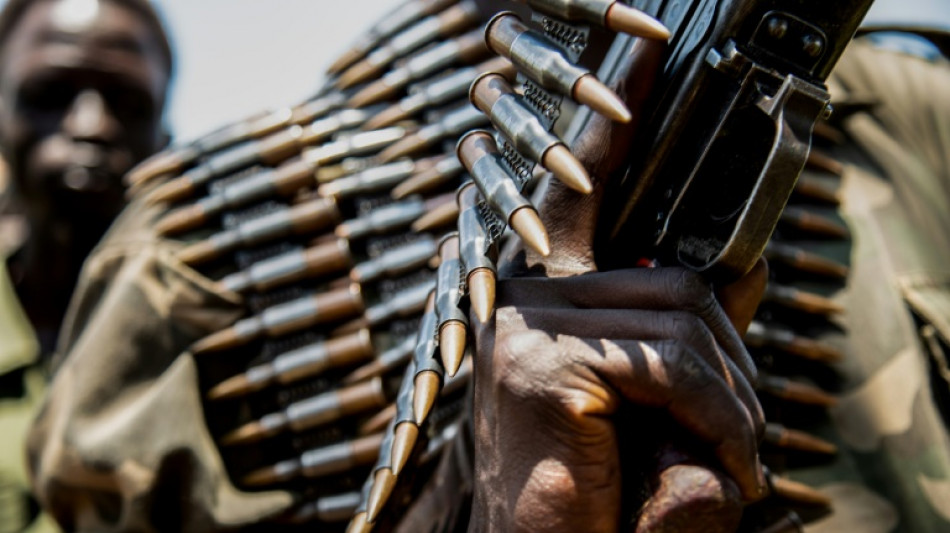
Poverty and turmoil: S.Sudan's post-independence history / Photo: SUMY SADURNI - AFP

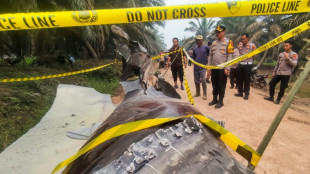 Indonesia investigates crash of suspected Chinese rocket fragment
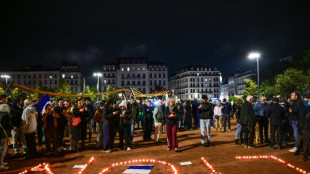
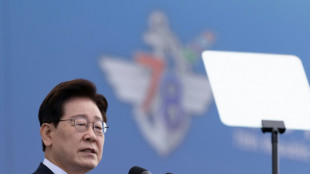 South Korea to withdraw some Ukraine embassy staff after POW row
 S. Korea warns of 'firm' response after North threatens fresh measures near border
 Ukraine claims US missile holdup ahead of reported talks

 Niners hold off Commanders to stay perfect in NFL
 Tech firms bear brunt of selling as Asian stocks drop

 Reese scores 30 as Dream stun Valkyries to level WNBA finals
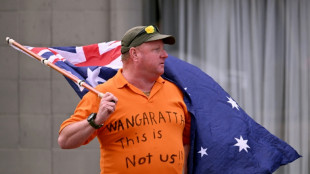
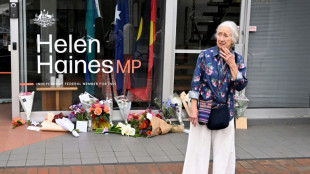 Horror and disbelief after lawmaker attacked in rural Australia
 Ukraine races to secure energy supplies ahead of winter
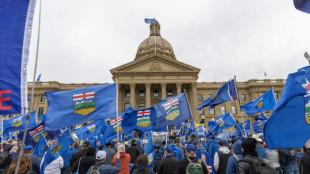 Vote count begins in Alberta secession referedum, testing Canada unity
 How to Raise Financially Savvy Teenagers
 InterContinental Hotels Group PLC Announces Transaction in Own Shares - October 20
 Ukraine claims US missile holdup as Trump floats summit without Zelensky

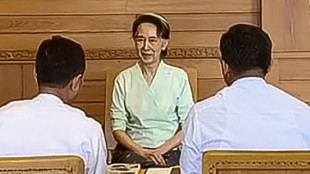 Detained Suu Kyi receives UK royal package: Myanmar govt

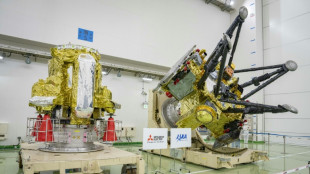 Japan successfully launches probe in historic Mars moon mission

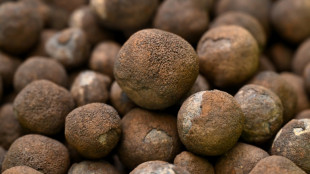 US to auction deep sea mining leases off American Samoa

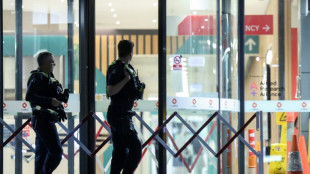 Australian lawmaker hurt in car attack underwent surgery overnight: PM
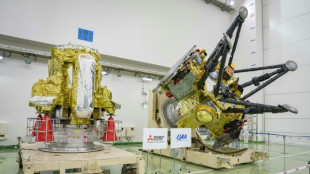 Japan launches rocket for potential world first Mars moon mission
 Ethiopia PM warns Eritrea of 'severe consequences' if supports enemies

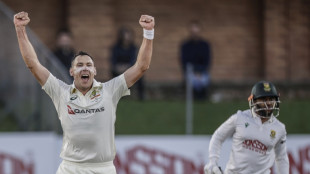 Boland grabs opportunity for Australia as South Africa struggle in second Test
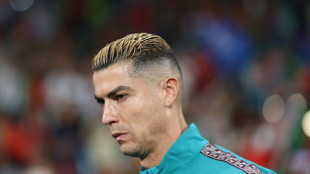
 Ronaldo handed 30-day suspension: Portuguese federation
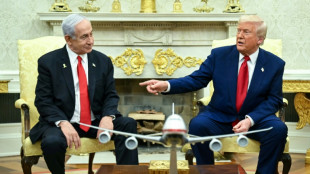
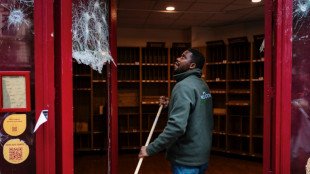 France announces curfews as government grapples with unrest
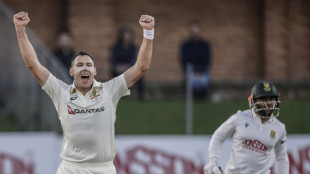 Boland sets pace as South Africa struggle
 Ukraine on back foot as Kremlin moots US, China meeting
 'Stay home!': Tourists find themselves in a France convulsed by protests

South Sudan's leaders have announced they will remain in power two years beyond an agreed deadline, sparking criticism from foreign partners.
Here's a look at the tragic history of the world's newest nation.
- 2011: New nation -
On July 9, South Sudan proclaims itself independent from Sudan following six years of autonomy and decades of war.
The president is Salva Kiir, with Riek Machar as his deputy. The rivals, who belong to two different ethnic groups, led the Sudan People's Liberation Movement (SPLM) that spearheaded the push for independence.
- 2013: Civil war -
Kiir fires Machar and all government ministers, their deputies and several police brigadiers on July 23.
After a night of fighting in the capital Juba, Kiir says on December 16 his forces had thwarted an attempted coup by Machar, who denies the claim.
The fighting spreads beyond the capital, fuelled by rivalries between Kiir's Dinka group and Machar's Nuer.
It sets off tit-for-tat massacres, spiralling into five years of war.
- 2016: Leader in exile -
Machar and Kiir sign a peace accord in August 2015.
Machar returns to Juba and is sworn in as vice president on April 26, 2016.
But fighting between supporters of both leaders breaks out again in July. Machar goes into exile, accusing Kiir of trying to have him killed.
- 2018: Peace deal -
Kiir and Machar meet for the first time in two years on June 20.
On September 12 they sign a new peace agreement to end a war that has killed nearly 400,000 people and displaced roughly four million.
The deal paves the way for a power-sharing government which, after much delay concerted international pressure, is eventually installed in February 2020, with Machar reinstated as vice president.
- 2021: Violence continues -
However, armed violence remains widespread, with recurring bloodshed beween rival ethnic groups, and an insurgency in the country's south displacing hundreds of thousands of people.
The UN several times extends its peace mission, as well as an arms embargo.
A UN report in April warns that the slow pace of implementing the peace accord risks a relapse into "large-scale conflict".
On May 8, after a delay of more than a year, Kiir includes opposition lawmakers in a new parliament.
- 2022: Extension of power -
In March, the UN accuses the government of rights violations amounting to war crimes over attacks in the southwest last year, calling for investigations against dozens of individuals, including for abuses against children.
The same month, the UN's World Food Programme (WFP) warns that over 70 percent of South Sudan's 11 million people will face extreme hunger this year because of natural disasters and violence.
In April, Kiir and Machar agree on the creation of a unified armed forces command, a key provision of the peace deal after years of deadlock.
Four months later, they announce that the transitional government will remain in power two years beyond the agreed deadline, in a move foreign partners warned lacked legitimacy.
Martin Elia Lomuro, the minister of cabinet affairs, says the decision was taken "to address the challenges that impede the implementation of the peace agreement".
But the United States, Britain and Norway boycott the announcement, expressing concern that the extension did not involve consultations with civil society or international partners, among other groups.
R.Garcia--AT