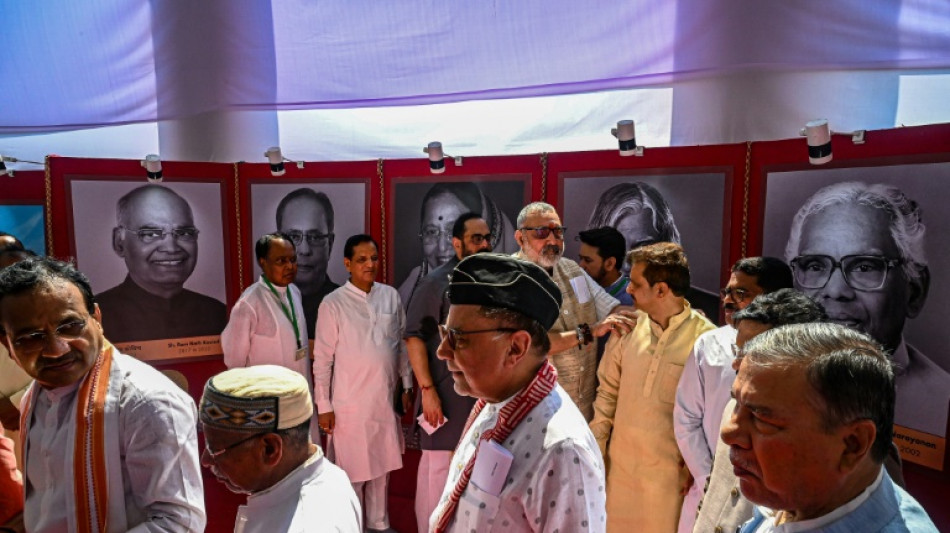
India's parliament begins voting for new president / Photo: Prakash SINGH - AFP

 Saudi airport closure disrupts life in kingdom's capital
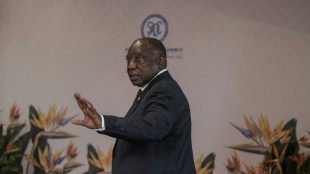 Ramaphosa tells South Africa to prepare for loss of US-Africa trade deal
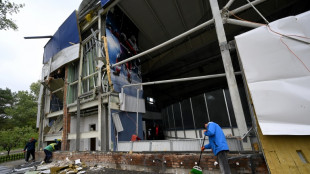
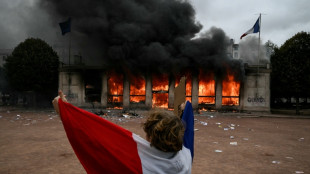
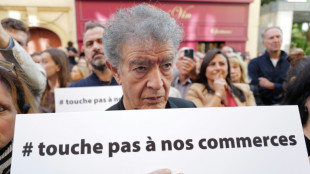 France presses resale platforms to remove 'stolen' goods after unrest
 Yamal v PSG: Ballon d'Or backdrop to Champions League showdown
 Araujo says too soon to talk about permanent Liverpool move
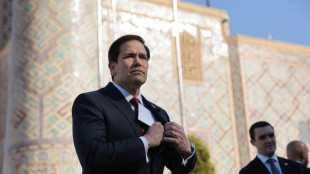 US wants to be 'strong partner' for central Asia: Rubio
 'Special' to face friend Perez in Champions League, says Liverpool's Iraola
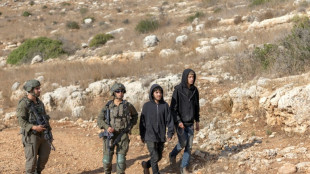
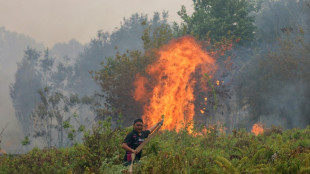 Monitor says Indonesia fires have burned nearly two million hectares
 French PM says could declare state of emergency over unrest 'if needed'
 Albanian PM warns of 'red line' after days of unrest
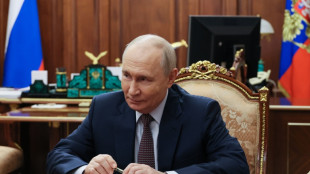 Putin, Xi and Trump could meet at APEC summit: Kremlin
 Microsoft exits data centre deal in blow to UK AI ambitions
 European stocks retreat as France violence spreads

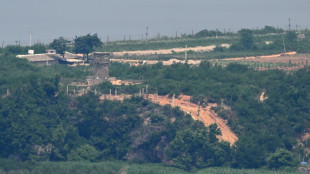 North Korea warns 'grave situation' prevailing along border
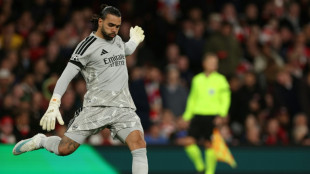 Raya proud of Arsenal's 'incredible' reaction after third straight win

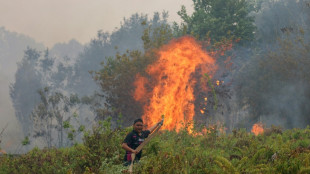 Indonesia fires have burned nearly two million hectares: monitor
 Australian lawmaker 'critically' hurt in attack, officials say

 Indonesia fires burned over 1.9 mn hectares through September: monitor
 Asian tech stocks mixed after Wall St losses, eyes on earnings

 China's third-quarter growth narrowly beats forecasts
 Asian stocks start week on back foot, tracking tech-led Wall St losses

 China growth narrowly beats forecasts

 Faith and fury: Texas Senate rivals offer contrasting visions
 Women await justice for police killings in Brazil
 The painstaking task of cataloguing the world's species

India's parliament began voting Monday for a new president, with a female politician from the country's marginalised tribal community the favourite for the post.
Droupadi Murmu, from the Santhal tribe, has been nominated by Prime Minister Narendra Modi's ruling Bharatiya Janata Party for the largely ceremonial position.
If elected, she would be India's first tribal president and second female president. The incumbent, Ram Nath Kovind, is the country's second president from the Dalit community, the bottom of the Hindu caste system.
Murmu, 64, began her career as a schoolteacher in the eastern state of Odisha before going into politics. She has held ministerial positions in the state government, and been governor of the neighbouring state of Jharkhand.
Murmu "has devoted her life to serving society and empowering the poor, downtrodden as well as the marginalised," Modi tweeted after her candidacy was announced.
Her main opponent for the presidency is veteran politician Yashwant Sinha, an ex-BJP member and former finance and external affairs minister, who has been backed by opposition parties including Congress.
He is now a vocal critic of Modi's government and tweeted at the weekend: "This year the Presidential election is not a contest between two individuals but two ideologies.
"Only one side wants to protect the provisions & values enshrined in our Constitution."
India's president is chosen by nearly 5,000 elected members of both houses of parliament and regional legislatures across the country.
Each of their votes is weighted according to the size of their constituency, and they rank the candidates in order of preference.
If no-one has more than 50 percent support, the lowest-scoring candidate is eliminated and their votes redistributed until someone reaches the mark.
The result will be announced later this week.
India's prime minister wields executive power, but the president can send back a few parliamentary bills for reconsideration.
The president also plays a guiding role in the process of forming governments.
P.A.Mendoza--AT