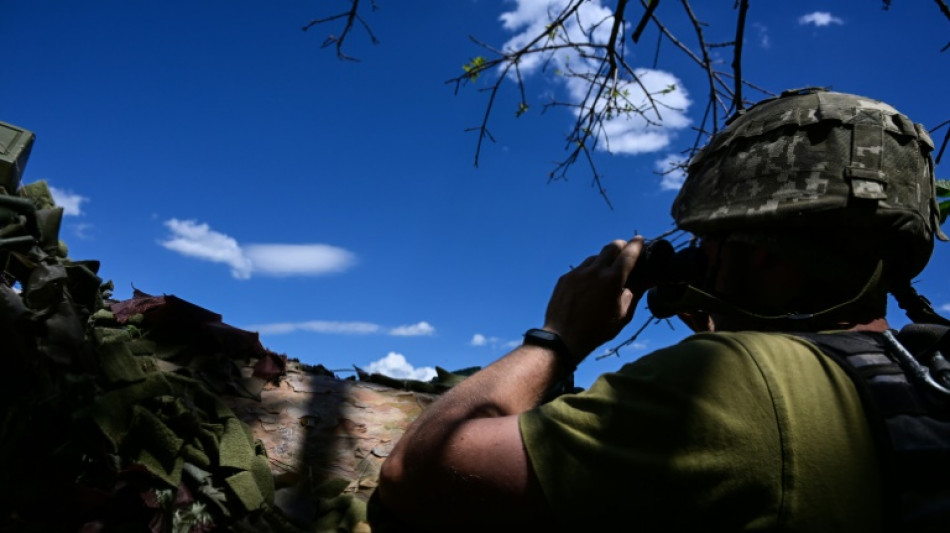
In east Ukraine trench, soldiers dig in for 'total war' / Photo: MIGUEL MEDINA - AFP

 Araujo says too soon to talk about permanent Liverpool move

 US wants to be 'strong partner' for central Asia: Rubio
 'Special' to face friend Perez in Champions League, says Liverpool's Iraola
 Monitor says Indonesia fires have burned nearly two million hectares
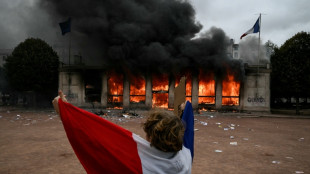
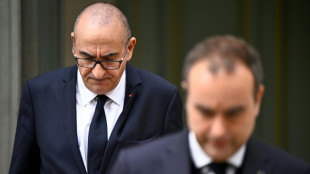 French PM says could declare state of emergency over unrest 'if needed'
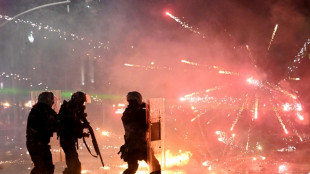 Albanian PM warns of 'red line' after days of unrest
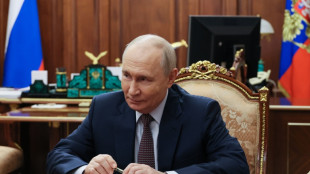 Putin, Xi and Trump could meet at APEC summit: Kremlin

 Microsoft exits data centre deal in blow to UK AI ambitions

 European stocks retreat as France violence spreads

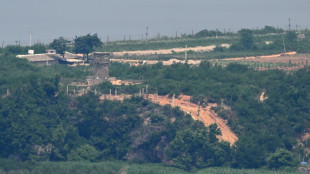 North Korea warns 'grave situation' prevailing along border
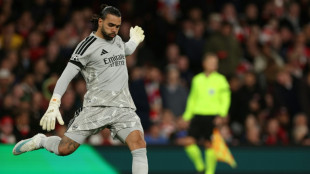 Raya proud of Arsenal's 'incredible' reaction after third straight win

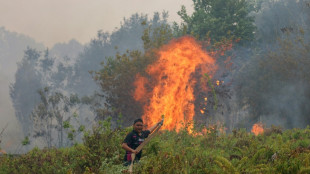 Indonesia fires have burned nearly two million hectares: monitor

 Australian lawmaker 'critically' hurt in attack, officials say

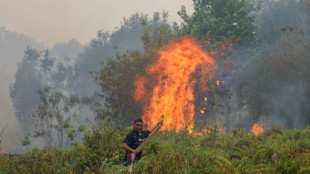 Indonesia fires burned over 1.9 mn hectares through September: monitor
 Asian tech stocks mixed after Wall St losses, eyes on earnings
 China's third-quarter growth narrowly beats forecasts
 Asian stocks start week on back foot, tracking tech-led Wall St losses
 China growth narrowly beats forecasts

 Faith and fury: Texas Senate rivals offer contrasting visions
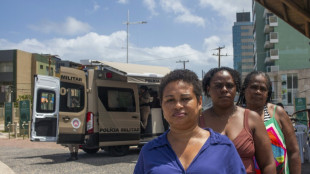 Women await justice for police killings in Brazil
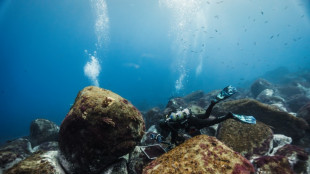
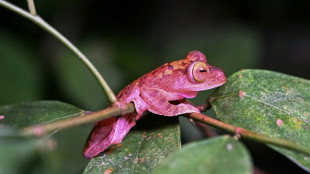 The painstaking task of cataloguing the world's species

 Nations seek reset at UN talks as nature goals off track

 Rubio seeks to strengthen US foothold in Central Asia

 LeBron joins 76ers to chase one more NBA title at age 41

 Rays one win from World Series return after downing Guardians

Down a trench in Ukraine's Donbas region, Dima admits it took him time to adjust to the sounds of war, to living with fellow soldiers and to the flies everywhere.
Now, the 25-year-old soldier with an easy smile is quietly confident and says everything is fine, despite the constant boom of artillery.
His nickname "Moryak" (Sailor) is scrawled on his uniform, along with the slogans used by soldiers at war: "Born to Hunt" and "Si vis pacum para bellum" (If you want peace, prepare for war).
After serving on the frontline in the Sumy and Kharkiv regions in northern Ukraine, Dima was deployed to a position in the Izyum region.
This part of the frontline lies to the northwest of Kramatorsk -- the administrative centre of Donbas, an industrial region Russian troops are attempting to conquer.
Since he arrived, Dima has been digging into the black earth -- like everyone else in his unit.
Their trench measures several dozen metres -- a labyrinth littered with shovels and pickaxes and underground shelters where the men sleep.
"We hide when they shell, we dig when it's calm," says Dima.
- 'No pasaran' -
Russian forces are just a few kilometres away.
"No pasaran!", exclaimed the head of the unit, Ahil, an experienced soldier of few words.
Asked how many men are in the unit, he replies: "The number we need."
The situation? "It could be worse". Weapons? "We never have enough". Morale? "Good".
Ahil says he has been fighting in the Donbas since 2014 when Russia-backed separatists first seized control of part of the territory.
He believes the situation now is completely different.
"Today, there is total war," says the soldier, hoping to "rest when it's all over".
"If I get to that point," he adds.
Before saying goodbye to a group of journalists, Ahil removes his helmet to reveal a shaved head except for a large bunch of hair on one side.
"It's a Cossack haircut. It fits the moment," he laughs.
- 'Remained here forever' -
This part of the frontline has been one of the most active since Russia invaded on February 24 but it has become calmer in recent weeks as Russian troops attempt to advance elsewhere.
"This place has been one of the bloodiest," admits "Grizzly", another commander with a beard and tattoos who wears a woolly hat despite the heat.
"The previous unit lost many men. Up to 40 percent of them remain here forever," he says.
Dima has also seen his comrades fall in battle.
"It's sad of course when it happens to friends you share a life with in the trenches.
"But at the same time it motivates you even more to remove these bastards that nobody wants here," he says
Asked if he thinks about death, he replies: "Of course, I think regularly that it's maybe my last cup of tea or the last time I go to bed."
- Kilometre by kilometre -
Outside the trench, the countryside stretches out in a landscape that would be magnificent except for the vast scorched fields.
Unexploded ordinance lies on the roads, which are pockmarked with craters and lined with burnt out vehicles.
Some rare military vehicles can be seen. A T-72 tank kicks up a cloud of stones and dust as it turns.
A few kilometres back, the brigade's headquarters are set up in an abandoned farm.
Chickens wander through the ruins, a cat sleeps on an abandoned chair and bees fly out from their untended hives.
A Tochka-U missile lies in the courtyard.
At the bottom of a small staircase, the officer in charge is at work in a 15-square-metre room full of maps and radios to communicate with the positions.
Three men lie in the darkness of the room, staring at their phones absent-mindedly.
Oleksandr, the officer, a jovial man of 34, says the situation is "under control".
"We have been here since the end of April and, after several attempts by the enemy to advance, we are the ones advancing, kilometre by kilometre."
The aim? "Total victory". Asked if he could envisage a ceasefire, he replies: "No, no, no".
A.Moore--AT