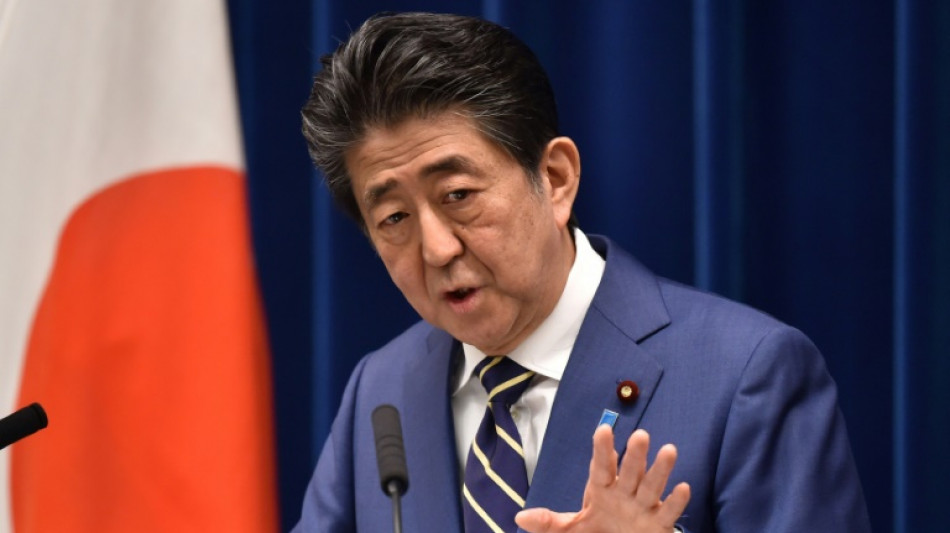
Shinzo Abe: Japan's longest-serving prime minister / Photo: Kazuhiro NOGI - AFP/File

 European stocks retreat as France violence spreads

 North Korea warns 'grave situation' prevailing along border

 Raya proud of Arsenal's 'incredible' reaction after third straight win

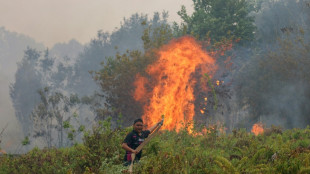 Indonesia fires have burned nearly two million hectares: monitor
 Australian lawmaker 'critically' hurt in attack, officials say

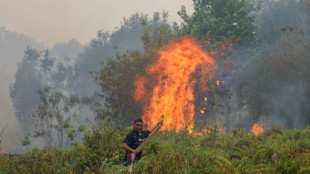 Indonesia fires burned over 1.9 mn hectares through September: monitor

 Asian tech stocks mixed after Wall St losses, eyes on earnings

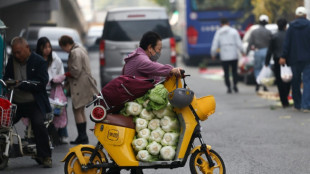 China's third-quarter growth narrowly beats forecasts
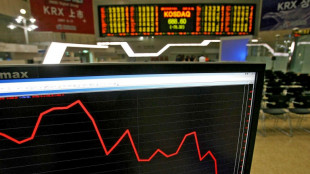 Asian stocks start week on back foot, tracking tech-led Wall St losses
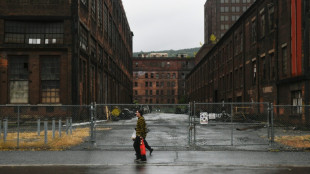
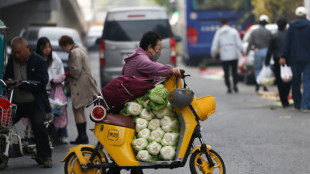 China growth narrowly beats forecasts

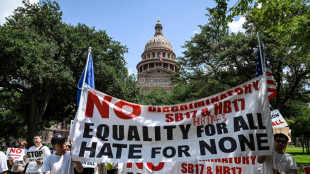 Faith and fury: Texas Senate rivals offer contrasting visions
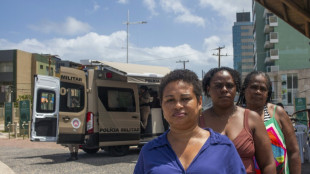 Women await justice for police killings in Brazil
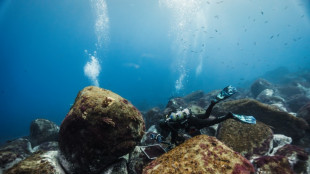
 The painstaking task of cataloguing the world's species

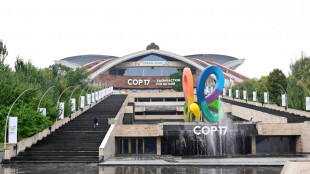 Nations seek reset at UN talks as nature goals off track

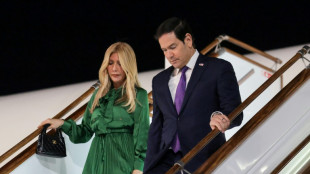 Rubio seeks to strengthen US foothold in Central Asia
 LeBron joins 76ers to chase one more NBA title at age 41

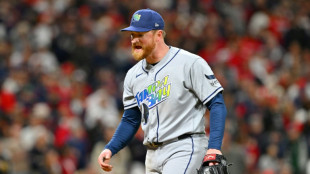 Rays one win from World Series return after downing Guardians
 Stillwater Critical Minerals Files NI 43-101 Technical Report for the Updated Stillwater West Mineral Resource Estimate in Montana, USA

 Caledonia Mining Corporation Plc: Notification of Relevant Change To Significant Shareholder

 BioNxt Completes GMP Manufacturing and Submits Clinical Trial Application for Sublingual Cladribine Drug Candidate
 DEA Denies Federal Marijuana Manufacturing License: Are State Operators Next?

 Great Western Mining Corporation PLC Announces Holding(s) in Company

 HyProMag USA Deploys Mobile Inserma System, Extending Hard Disk Drive Processing to Customer Sites Across the United States

 CoTec Holdings Corp. Notes HyProMag USA Deployment of Mobile Inserma System, Extending Hard Disk Drive Processing to Customer Sites Across the United States
 Kings' Ben Simmons tears Achilles in training

Shinzo Abe smashed records as Japan's longest-serving prime minister, championing ambitious economic reform and forging key diplomatic relationships while weathering scandals.
Nearly two years after poor health forced him to leave office, the 67-year-old was feared dead after apparently being shot during a campaign event on Friday.
Abe was a sprightly 52 when he first became prime minister in 2006, the youngest person ever to occupy the job.
He was seen as a symbol of change and youth, but also brought the pedigree of a third-generation politician groomed from birth by an elite, conservative family.
Abe's first term was turbulent, plagued by scandals and discord, and capped by an abrupt resignation.
After initially suggesting he was stepping down for political reasons, he acknowledged he was suffering an ailment later diagnosed as ulcerative colitis.
- They called it 'Abenomics' -
The debilitating bowel condition necessitated months of treatment but was, Abe said, eventually overcome with the help of new medication.
He ran again, and Japan's revolving prime ministerial door brought him back to office in 2012.
It ended a turbulent period in which prime ministers changed sometimes at the rate of one a year.
With Japan still staggering from the effects of the 2011 tsunami and subsequent nuclear disaster at Fukushima -- and a brief opposition government lashed for flip-flopping and incompetence -- Abe offered a seemingly safe pair of hands.
And he had a plan: Abenomics.
The scheme to revive Japan's economy -- the world's third-biggest, but more than two decades into stagnation -- involved vast government spending, massive monetary easing, and cutting red tape.
Abe also sought to boost the country's flagging birth rate by making workplaces more friendly to parents, particularly mothers.
He pushed through controversial consumption tax hikes to help finance nurseries and plug gaps in Japan's overstretched social security system.
While there was some progress with reform, the economy's bigger structural problems remained.
Deflation proved stubborn and the economy was in recession even before the coronavirus struck in 2020.
Abe's star waned further during the pandemic, with his approach criticised as confused and slow, driving his approval ratings down to some of the lowest of his tenure.
- Political storms -
On the international stage, Abe took a hard line on North Korea, but sought a peacemaker role between the United States and Iran.
He prioritised a close personal relationship with Donald Trump in a bid to protect Japan's key alliance from the then-US president's "America First" mantra, and tried to mend ties with Russia and China.
But the results were mixed: Trump remained eager to force Japan to pay more for US troops stationed in the country, a deal with Russia on disputed northern islands stayed elusive, and a plan to invite Xi Jinping for a state visit fell by the wayside.
Abe also pursued a hard line with South Korea over unresolved wartime disputes and continued to float plans to revise Japan's pacifist constitution.
Throughout his tenure, he weathered political storms including cronyism allegations that dented approval ratings but did little to affect his power, in part thanks to the weakness of the opposition.
Abe had been due to stay on until late 2021, giving him an opportunity to see out one final event in his historic tenure -- the postponed Tokyo 2020 Olympics Games.
But in a shock announcement, he stepped down in August 2020, with a recurrence of ulcerative colitis ending his second term too.
E.Rodriguez--AT