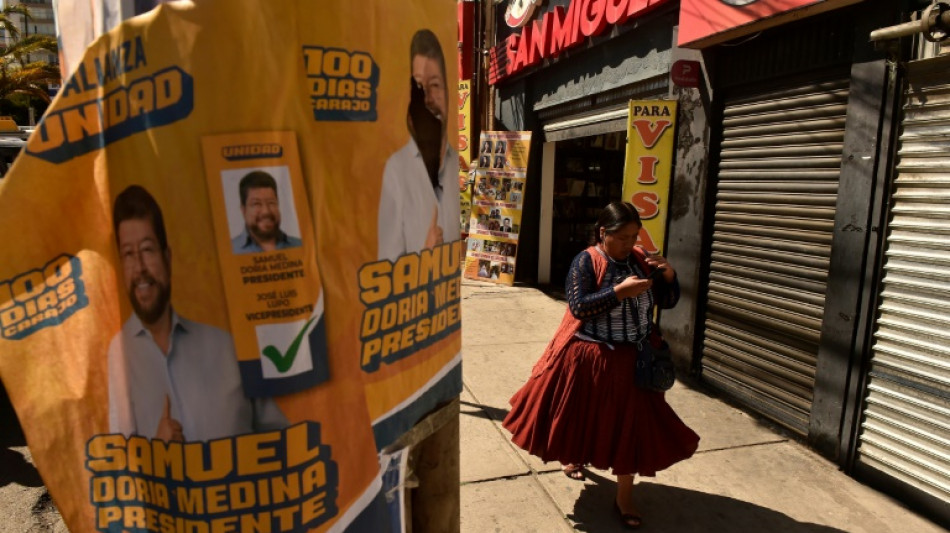
Bolivian right eyes return in elections marked by economic crisis / Photo: Jorge BERNAL - AFP

 Brazil chooses between Lula and Bolsonaro in nail-biter vote

 Kuwait public works minister and UK ambassador discuss closer cooperation

 Doha opens ninth World Investment Forum focused on future investment

 Le Pen begins presidential campaign after violent protests across France
 Adan Hospital launches catheter-based tricuspid valve replacement programme
 KIB Group nine-month profit rises 30% to KD 26.6 million

 John Catlin wins Hong Kong Open and secures first Masters invitation
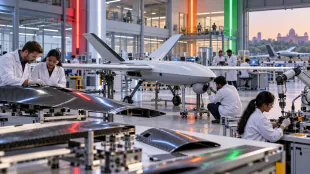 Poland’s WB Group plans $100 million India investment for drone production

 Pinheiro Braathen wins Soelden giant slalom
 Man Utd's Fernandes dropped by Carrick after Como outburst

 England great Anderson's future unclear after Lancashire exit

 Demonstrators wounded as Portugal police clear housing protest camps

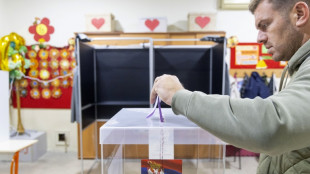 Serbia votes as ruling party faces ascendant student movement

 Police made 1,314 arrests in France's protests: government
 Catlin to make Masters debut after cruising to Hong Kong win

 Katsuragawa hails 'greatest moment' with South Korea win

 Japan's Yoshida wins first LPGA Tour title with South Korea win
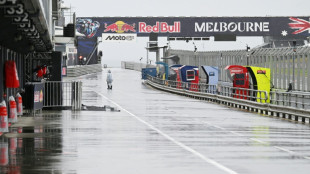
 Comeback kings Brewers down Rays to take 2-0 World Series lead
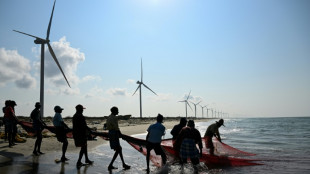 Sri Lankan turbine project fuels anger as fish hauls plunge
 No LeBron, no problem as Sixers roll on

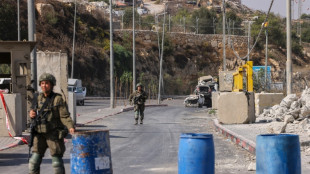 Israel to close all land crossings with West Bank on election day

 'Tech debt coming due': AI-found flaw signals chaos ahead
 Stop-motion 'Wildwood' showcases 'human creativity' in AI age
 Expo Contratista Announces 10th Edition in Dallas, Spotlighting Latino Construction Businesses and Workforce Development

 Easy Fitness Routines You Can Do at Home

Bolivians head to the polls Sunday for elections marked by a deep economic crisis that has seen the left implode and the right eyeing its first shot at power in 20 years.
The Andean country is struggling through its worst crisis in a generation, marked by annual inflation of almost 25 percent and critical shortages of dollars and fuel.
Polls show voters poised to punish the ruling Movement towards Socialism (MAS), in power since 2005 when Evo Morales was elected Bolivia's first Indigenous president.
Center-right business tycoon Samuel Doria Medina and right-wing ex-president Jorge "Tuto" Quiroga are the favorites to succeed Morales's unpopular successor, Luis Arce, who is not seeking re-election.
Polls showed Doria Medina, 66, and Quiroga, 65, neck-and-neck on around 20 percent, with six other candidates, including left-wing Senate president Andronico Rodriguez, trailing far behind.
A run-off will take place on October 19 if no candidate wins an outright majority.
The two frontrunners have vowed radical changes to Bolivia's big-state economic model if elected.
They want to slash public spending, open the country to foreign investment and boost ties with the United States, which were downgraded under the combative Morales, a self-described anti-capitalist anti-imperialist.
Marcela Sirpa, a 63-year Indigenous street seller who traditionally voted for MAS, has thrown her support behind Quiroga.
"They (MAS) left us all in the gutter," she explained at a candidate's street party in La Paz.
All seats in Bolivia's bicameral legislature are also up for election on Sunday.
- Shades of Argentina -
Analysts say the election resembles that of 2023 Argentina, where voters dumped the long-ruling leftist Peronists and elected libertarian candidate Javier Milei in a bid to end a deep crisis.
"What people are looking for now, beyond a shift from left to right, is a return to stability," Daniela Osorio Michel, a Bolivian political scientist at the German Institute for Global and Area Studies, told AFP.
Unlike Milei, who was a political newcomer, Doria Medina and Quiroga are both on their fourth run for president.
Doria Medina, a millionaire former planning minister, made a fortune in cement before going on to build Bolivia's biggest skyscraper and acquire the local Burger King franchise.
Seen as a moderate, he has vowed to halt inflation and bring back fuel and dollars within 100 days, without cutting anti-poverty programs.
The tough-talking Quiroga, who trained as an engineer in the United States, served as vice-president under reformed ex-dictator Hugo Banzer and then briefly as president when Banzer stepped down to fight cancer in 2001.
"We will change everything, absolutely everything after 20 lost years," he trumpeted during his closing rally in La Paz on Wednesday.
- 'Voto nulo' -
Bolivia enjoyed over a decade of strong growth and Indigenous upliftment under Morales, who nationalized the gas sector and ploughed the proceeds into social programs that halved extreme poverty.
But underinvestment in exploration has caused gas revenues to implode, falling from a peak of $6.1 billion in 2013 to $1.6 billion last year.
With the country's other major resource, lithium, still underground, the government has nearly run out of the foreign exchange needed to import fuel, wheat and other foodstuffs.
Bolivians have repeatedly taken to the streets to protest rocketing prices and hours-long wait for fuel, bread and other basics.
"In these past 20 years, we've had good income, but the government didn't invest in anything or propose new directions for... how to better expand our economy," 21-year-old student Miguel Angel Miranda said.
Morales, who was barred from standing for a fourth term, has cast a long shadow over the campaign.
The 65-year-old has called on his mostly rural Indigenous supporters to spoil their ballots over the refusal by electoral authorities to allow him run again.
Matilde Choque Apaza, the pro-Morales leader of a rural and Indigenous women's association, backed his call for a "voto nulo."
"We don't want to go back to the 20th century," she said, vowing that Bolivians, ever prone to revolt, "will rise up at any time."
A.Clark--AT