Macron 'compromise' call meets opposition resistance / Photo: Ludovic MARIN - AFP

 'I call it a bribe': Pennsylvania residents spurn $10,000 data center checks
 In a former US steel city, ordinary people struggle to get by
 'Liar,' 'clown': Lula and Bolsonaro spar in Brazil poll debate
 Record El Nino? Depends who's counting
 On the front line of ocean conservation off Portugal's Madeira

 Wembanyama targets title breakthrough as NBA season tips off

 With LeBron on board it's title or bust for Philly fans
 One year after Louvre heist, where are the missing jewels?

 Knicks face tall task in NBA championship repeat bid
 Warriors' Curry 'fine' after limping out of practice - Kerr
 Zelensky speaks to US envoys as Trump lashes out
 'Surprise package' Lazio crush Juve to keep pace with Serie A leaders Inter

 China growth expected to miss official target in third quarter
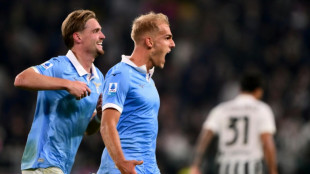 Lazio crush Juventus to move level with Serie A leaders Inter

 Leeds draw feels like 'fresh start' for Man Utd's Carrick
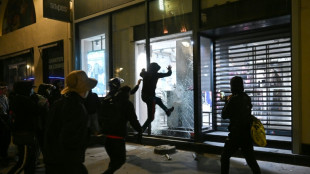
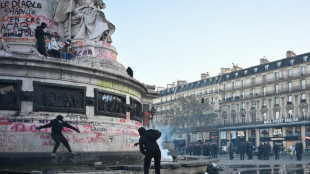 Macron denounces 'unbridled' violence as France hit by new clashes

 Hurzeler lauds 'hard worker' Gomez after Brighton goal from halfway line
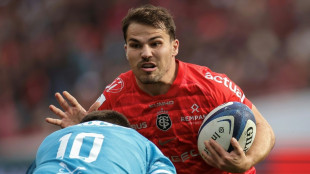 Toulouse hold off Exeter, Northampton save English Champions Cup blushes
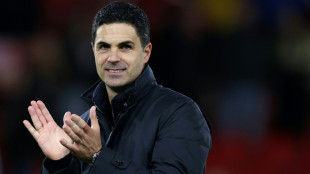
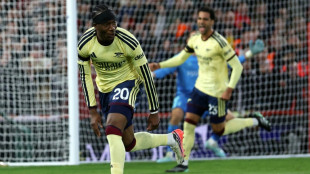 Arsenal snatch late win to keep pressure on Man City as Man Utd held
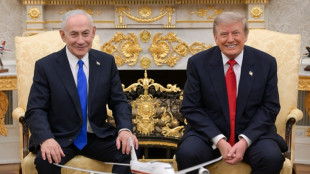
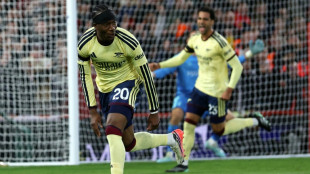 Arsenal strike late to keep pressure on Man City as Man Utd held
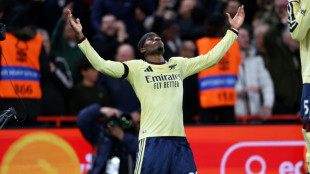
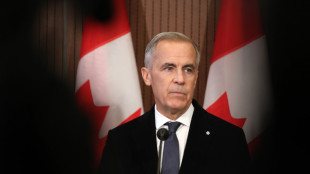 Four soldiers dead, dozens injured in fire at Canada military base
 Ton-up Agha helps Pakistan down Sri Lanka in tri-series opener
 Man Utd draw at Leeds keeps pressure on Carrick
 Barca defenders Garcia, Kounde injured before key games
 Lula, Bolsonaro to face off in first debate of bruising election
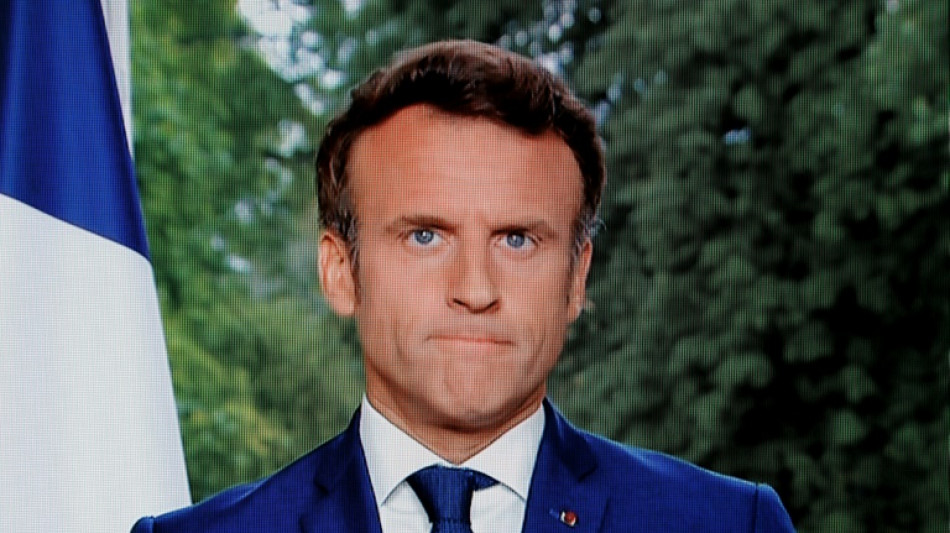
France risked prolonged political deadlock Thursday after opposition parties gave a frosty reception to President Emmanuel Macron's call for "compromises" to keep France governable after an indecisive parliamentary election.
Macron made his plea in an address to the nation late Wednesday days after failing to retain a majority in parliament, a setback that threatens to cripple his ability to carry out his planned reforms.
His centrist alliance finished Sunday's parliamentary elections 44 seats short of a majority in the National Assembly, as a new left-wing coalition and the far right made major gains.
The situation has called into question Macron's plans for reform in his second term after his April presidential re-election -- including a key measure to raise the retirement age -- and risks denting his international stature.
Breaking three days of silence in the wake of the elections, Macron ruled out a national unity government but appeared upbeat on the chances for progress, even if he did not offer any concrete solutions.
Macron said France's political forces must "collectively learn to govern and legislate differently" by building "compromises, additions and amendments but doing so in complete transparency, for the sake of national unity".
He indicated two possible ways forward -- either a formal coalition government deal with another party or by "creating majorities bill-by-bill" in the parliament.
- 'Back to the wall' -
The main opposition parliamentary groups, feeling triumphant after upsetting the president's party, seemed in no mood, however, to help out Macron whom they accused of putting them on the spot.
"He's the one with his back to the wall, not us," said Socialist deputy Valerie Rabault, whose party is part of the new leftist NUPES alliance that enjoyed a surprise surge in the vote.
"If he tries to push through his programme without an absolute majority he will be stuck," she said.
"He will be responsible for paralysing France."
She demanded a "course correction" by the government, notably in favour of a higher minimum wage and of measures to offset rising costs of living.
The conservative Republicans (LR) party, seen by many as Macron's most suitable potential ally, meanwhile rejected any formal coalition agreement, with LR Senator Bruno Retailleau saying it would examine Macron's policies on a "case-by-case" basis.
The interim president of Marine Le Pen's far-right RN party, Jordan Bardella, said it was up to Macron to "take the first step" by telling the opposition which policies he was ready to back away from in exchange for their support.
Over the previous two days, Macron had sounded out opposition leaders at the Elysee Palace, meeting with Le Pen on Tuesday, while the head of the NUPES alliance, hard-leftist Jean-Luc Melenchon, sent lawmaker Adrien Quatennens to represent him.
Despite little obvious progress, Macron said Wednesday the opposition were ready "to advance on major topics" such as the cost of living, jobs, energy, climate and health".
- 'No ultimatum' -
Macron, who is attending an EU summit in Brussels on Thursday and Friday, a G7 summit in Germany from Sunday and a NATO summit in Madrid from Tuesday, in his TV address appeared to give the opposition a 48-hour deadline to make their positions clear.
But when questioned Thursday about the apparent ultimatum, government spokeswoman Olivia Gregoire insisted there was no such deadline.
"Let me be very clear this morning," she told FranceInfo radio. "There is no ultimatum, and no question of 48 hours."
Instead, negotiations could take "several days, maybe even several weeks, but certainly not 48 hours", she said.
"The president is holding his hand out to all those who want the country to move forward," she said.
Talks would begin as soon as Macron returns from the EU headquarters, she said.
"We're opening negotiations, it's the start of consensus and of compromise," she said.
"An ultimatum would be the end."
burs-jh-sjw/jv
F.Ramirez--AT