Inflation, subsidy reform hit stomachs in isolated Iran / Photo: ATTA KENARE - AFP

 Rubio seeks to strengthen US foothold in Central Asia
 LeBron joins 76ers to chase one more NBA title at age 41

 Rays one win from World Series return after downing Guardians

 Kings' Ben Simmons tears Achilles in training

 Lula, Bolsonaro set for first debate showdown in bitter election race

 Mbappe hits two as Real Madrid rout Sevilla
 Browns edge Ravens for division lead, Texans beat Jags

 Lyon go top of Ligue 1 as Monaco fall to first defeat of the season

 Venezuela opposition alliance reaffirms Nobel laureate Machado as leader
 'Street Fighter' wins N. America box office, buzzy doc stuns in 2nd

 NFL: Paris game to go ahead despite protests in France

 Arteta hails Arsenal 'finishers' after Madueke fells Forest

 Trump backs ally Netanyahu ahead of Israel's tight election

 Madueke strikes late as below-par Arsenal sink Forest
 Second day of street clashes in Milan
 Dupont's Toulouse hold off Exeter as English Champions Cup woes continue

 Zelensky speaks to US envoys amid Trump spat

 Paris police in new battles with protesters and looters

 Multiple deaths, injuries at western Canada military base: minister

 Boland strikes twice for Australia in rain-hit South Africa Test

 Marseille put Angers to the sword in Ligue 1

 Albanian PM refuses to quit as violent protests enter sixth day

 Chwalinska fights back to win Wuhan Open in title breakthrough
 Kulusevski on brink of return for Spurs after 17-month absence

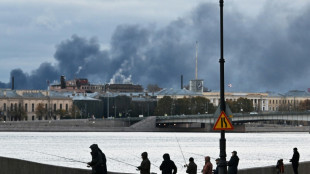 Ukraine sets Saint Petersburg refinery ablaze in large-scale drone attack

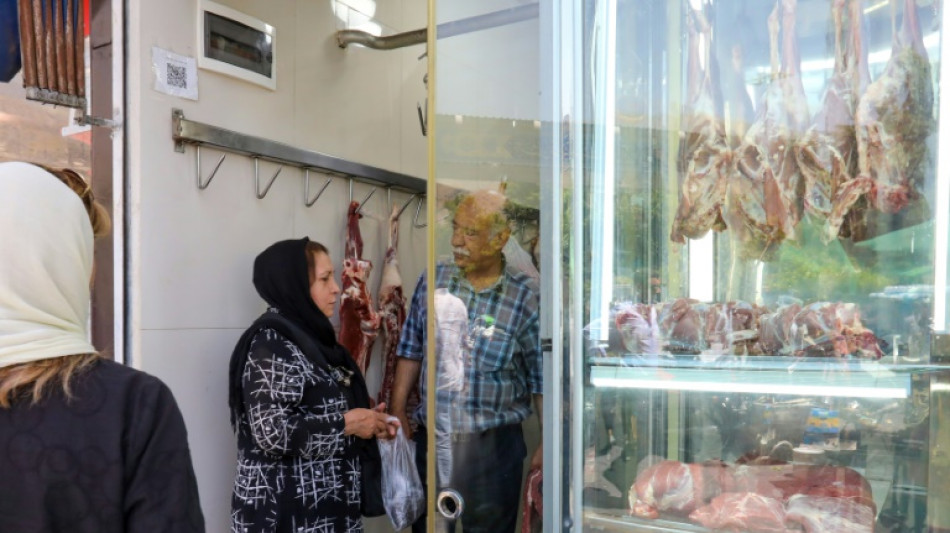
Outside his butchery in the south of Iran's capital, Ali cuts up a sheep carcass for customers who, like him, have seen inflation and subsidy reform devour their purchasing power.
"My sales have fallen significantly -- almost by half," Ali, 50, told AFP.
"What can I say? I am a butcher and you may not believe me, but sometimes I don't eat meat for a week," he added. "Everything has gone up in price."
Inflation is making an unwelcome comeback globally -- stoked by high energy and food prices, driven largely by Russia's invasion of Ukraine, a major wheat producer, and by related sanctions on Moscow.
But Iran has been wrestling with rampant price growth for years, exceeding 30 percent annually every year since 2018, according to the International Monetary Fund.
That was the year US president Donald Trump yanked Washington out of a nuclear deal between Iran and world powers and began reimposing biting sanctions, sending the currency into a tailspin even before he unilaterally banned Iran's oil exports.
Negotiations over the last year or so have sought to bring the US -- under Trump's successor Joe Biden -- back inside the deal and convince Tehran to re-adhere to nuclear commitments it has progressively walked away from.
But those ever-delicate efforts have been deadlocked since March, and an escalating spat between Iran and the UN's nuclear watchdog could reduce chances of reviving the agreement.
- Subsidy cuts compound misery -
After dividing the cuts of meat, Ali hands Asghar, a retired government employee, a plastic bag containing enough for him and his wife.
"The price of everything has gone up, including meat," lamented Asghar, 63.
"We used to buy more. Now everyone is buying less -- everyone is under pressure."
Economic analyst Saeed Laylaz believes price growth in Iran has exceeded 40 percent annually since 2018 -- higher than that calculated by the IMF.
It has lately been fuelled further, he says, by "the sharp increase in global inflation" driven by fallout from the war in Ukraine and by Iran's cash-strapped government in mid-May enacting the "radical reform" of slashing subsidies.
The expert, who has in the past advised Iranian presidents, said the main policy shift by the government of President Ebrahim Raisi was to abolish a subsidised exchange rate for imports of household essentials -- wheat, cooking oil and medicine.
Introduced in mid-2018, this "preferential" rate was fixed at 42,000 rials to the dollar, cushioning citizens from the savage black market depreciation of the local currency that stemmed from the US withdrawing from the nuclear deal.
But with the exchange rate on the black market exceeding 300,000 rials to the greenback and global food prices soaring, the arrangement became unaffordable.
"It is estimated that if Iran wanted to continue reckless spending of hard currencies this year like the previous years, the country would have needed $22 billion dollars at the preferential rate," he said.
"Even in the event of reviving the nuclear agreement... the government had no choice but to cancel the preferential rate," he added.
Red meat prices have risen 50 percent, chicken and milk prices have doubled, spaghetti has tripled and cooking oil prices have quadrupled since early May, according to figures published by Iranian media.
- Protests over prices -
Hundreds of Iranians have taken to the streets of several cities to protest against the spiralling prices, on top of months-long demonstrations by professionals and pensioners demanding wages and pensions be adjusted for inflation.
On Tuesday, Labour Minister Hojjatollah Abdolmaleki stepped down in the hope of "strengthening cooperation within the government and improving the provision of services to the people," according to government spokesman Ali Bahadori-Jahromi.
But reformist newspaper Etemad linked his resignation to "heavy criticism" from the protesting pensioners.
In Tehran's marketplaces, attention is focused on the consequences and effects of inflation, rather than its causes.
President Raisi, an ultra-conservative who took office last August, pledged from the outset that the painful subsidy reform would not affect bread, fuel and medicine prices.
Demand for bread is therefore increasing.
"The queues at the bakeries have become longer because the price of rice has risen, and people are resorting to bread," Shadi, a housewife wearing the Islamic chador told AFP near a traditional bakery in southern Tehran.
Inside, the baker Mujtaba agrees.
"People... are no longer able to buy rice, cooking oil, spaghetti and tomato paste," said the 29-year-old, his face drenched in sweat as he took a break from preparing dough.
The subsidy reform has so far done little to steady the black market exchange rate, which slipped to an all-time low of more than 330,000 to the dollar on June 12, and hopes for a restoration of the nuclear deal have receded.
A.Ruiz--AT