NATO chief seeks defence spending at 5% of GDP by 2032: Dutch PM / Photo: JOHN THYS - AFP

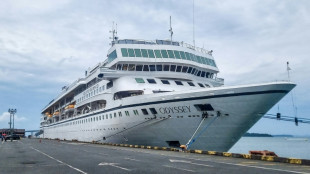 Two hundred 'Cruise for life' passengers stranded in Cambodia
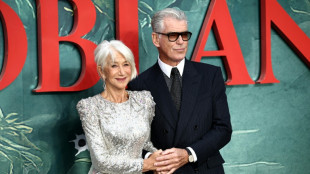 Pierce Brosnan and Helen Mirren on the joys of filming 'MobLand'
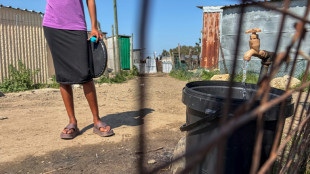 S.African activists push back on data centre rush

 Judges set to rule on Australian mushroom killer's appeal

 Syria reopens Jordan border crossing after mending ties

 Cyclone Arnab lashes India coast, no deaths reported

 Trump tamed after US midterms? Europe doubts it

 Tech stocks soar as SK hynix adds to rising AI confidence

 Sri Lanka's Tamil farmers fight to reclaim land after civil war
 Afghans compete for jobs, homes as millions return

 'They don't care about us': Trump food aid cuts leave Americans struggling and angry
 Meta, Snap head to trial in another case about social media's harms
 French Senate passes bill to make protesters pay for unrest damage
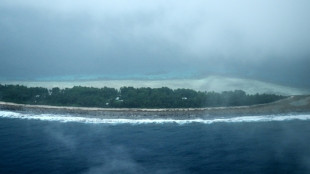
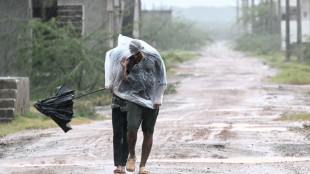 India evacuates tens of thousands as Cyclone Arnab makes landfall
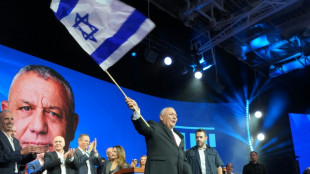 In tight Israel vote, both camps hold out cautious hope
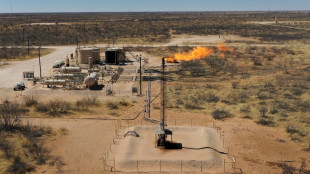
 AI chip giant SK hynix says quarterly operating profit soars 630%

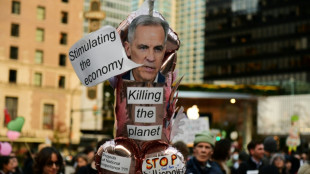 Youths testify about 'despair' in unprecedented Canadian climate trial

 Algo Grande Copper Makes New Skarn Discovery at Adelita; Step-Out Hole AG-CG-PH2-003 Returns a Combined 139.81 Metres of 1.3% CuEq from Cerro Grande and the New Margarita Skarn
 6 Weekend Upgrades That Increase Your Property Value

 Syria, Jordan agree to mend ties after deadly strike
 Arsenal stunned by fourth-tier Fleetwood in League Cup
 Last-gasp Sabitzer strike sends Dortmund past Bremen in German Cup
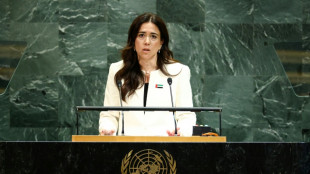 Rights groups reject Emirati diplomat for UN top job

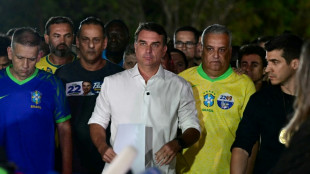 Flavio Bolsonaro headed to US after Brazil election defeat: US media
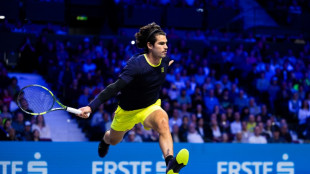 Alcaraz and Zverev win Vienna openers

NATO chief Mark Rutte wants member countries to agree at a summit in June to reach five percent of GDP on defence-related spending by 2032, Dutch premier Dick Schoof said Friday.
US President Donald Trump has demanded that NATO allies ramp up their military spending to five percent of GDP, a level that not even the United States currently hits.
Schoof said Rutte had written to NATO's 32 member countries calling for them to reach 3.5 percent of GDP on "hard military spending" and 1.5 percent of GDP on "related spending such as infrastructure, cybersecurity and other things" over the next seven years.
Trump is piling the pressure on Europe and Canada to ratchet up NATO's spending target at a summit in The Hague next month.
Foreign ministers from alliance countries are expected to tackle the matter at an informal gathering in Antalya, Turkey, next week.
Rutte on Friday refused to confirm the figures being debated but said "internal discussions" were taking place within NATO.
Diplomats within NATO, speaking on condition of anonymity, said the proposal circulated last week envisioned increasing direct military spending by 0.2 percent each year to 2032.
They said the discussions were at an early stage and there were no clear signs yet that there would be consensus for the figures.
The parameters of what could be included in the 1.5 percent of loosely related defence spending were still to be defined, they said.
"It makes no sense to argue about abstract GDP percentages now. What is crucial is that we continuously expand our efforts over the next few years," Germany's new chancellor Friedrich Merz said during a visit to NATO's headquarters in Brussels on Friday.
Merz said that for Germany, every increase of one percent of GDP represented 45 billion euros ($50 billion).
- Trump threatens -
Trump has long accused Washington's allies of underspending on their defence and taking advantage of US largesse.
He has also threatened not to protect countries that do not spend enough on their military in his eyes.
European countries have ramped up their defence spending since Russia's invasion of Ukraine in 2022, but Rutte says they must go considerably higher to ward off Moscow.
Last year 22 of NATO's 32 allies hit its current spending target of two percent of GDP on their militaries.
A string of countries such as Italy, Spain, Canada and Belgium that still lag below that level have pledged to reach it in 2025.
The United States last year spent 3.19 percent of its GDP on defence, behind eastern flank countries Poland, Estonia and Lithuania close to Russia.
But Washington remains by far the biggest military spender in NATO in absolute terms, accounting for 64 percent of all defence expenditure last year.
In a bid to help European countries bolster their spending, the EU has proposed loosening budget rules and establishing a 150-billion-euro defence fund.
T.Wright--AT