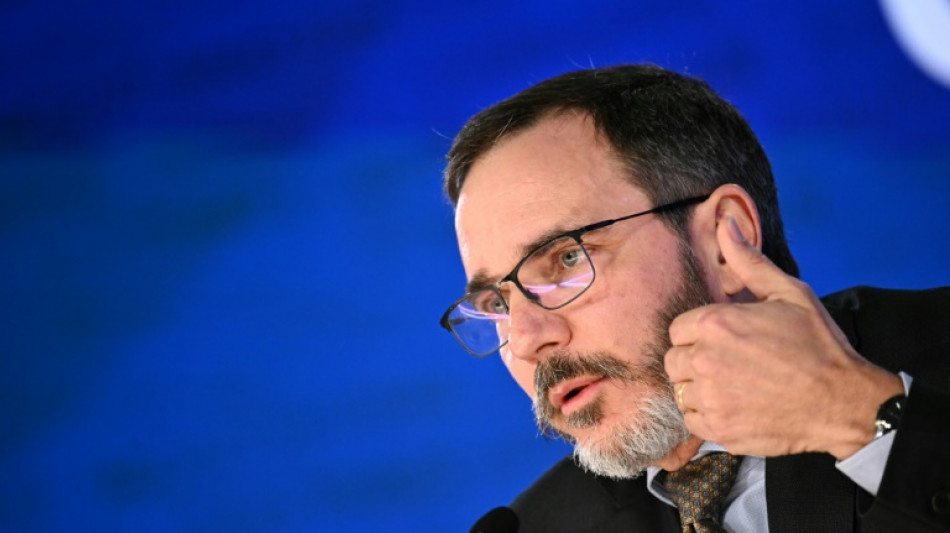
World could boost growth by reducing trade doubt: IMF chief economist / Photo: Mandel NGAN - AFP

 11 injured in Colombia bombing days before presidential inauguration

 In Spain's Ceuta, exhausted migrants end short trip with little hope
 German FA calls for 'full investigation' into FIFA proposal

 Richarlison, Tonali fire 10-man Spurs to 2-1 Sydney win over Chelsea

 Deadly strikes rock Kyiv, as Ukraine sinks Russian cargo ship

 UEFA target Infantino after FIFA shelve World Cup private investment plan

 Infantino has lost UEFA's 'confidence' despite withdrawal of 'shabby deal'
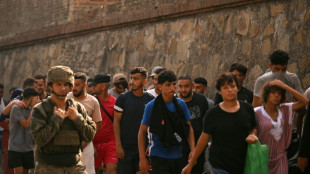 Spain's N. Africa enclave returns to normal as migrants depart

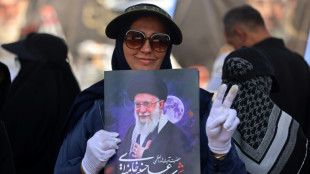 Iranian pilgrims flood Iraq for first Arbaeen since war
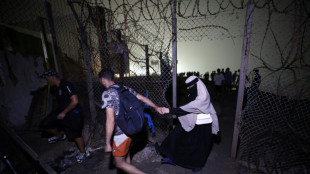 Migrants depart Spain's N. Africa enclave as EU tightens borders
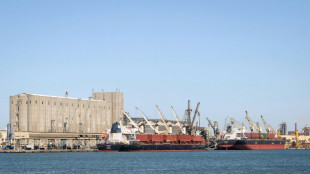
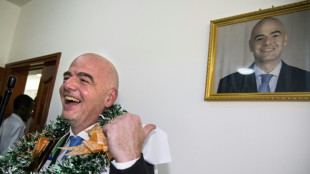 Timeline: How FIFA's World Cup private investment plan imploded

 Search resumes for missing climbers from Pakistan avalanche
 Warsaw and Kyiv exhume Volyn victims at centre of diplomatic quarrel
 India PM Modi says he forgives protesters who abused him

 Veteran Wallabies playmaker Quade Cooper eyes World Cup comeback

 FIFA scraps private investment plan after backlash

 WoodWorks and SPEC Toolbox Partner to Make Mass Timber Design Easier for Structural Engineers
 South Africa's WAFCON hopes hang in the balance after dramatic draw
 Hunter Bell cruises to Commonwealth gold, Pathirage stuns javelin stars
 Amazon surges as US stocks shrug off bond yield worries
 Google rolls back new satellite image AI tool after backlash

 Ryu leads in bid for third straight major at women's British Open
 Fire-hit France region 'coming up for air' as main blaze calms
 Wembanyama to get signature shoe in Nike contract extension: reports
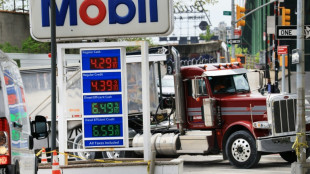 Oil giants report blowout profits on war, warn high gas prices could persist

Policymakers should find a way to reduce the uncertainty over trade policy kicked up by Donald Trump's tariff plans in order to boost global growth, the International Monetary Fund's chief economist said in an interview.
"The uncertainty in trade policy, and in policy generally right now, is a big drag on global activity," Pierre-Olivier Gourinchas told AFP ahead of Tuesday's publication of the IMF World Economic Outlook report.
"And the sooner we can lift it, the better off everyone will be," he said, adding: "Bringing back stability, clarity, predictability to the trading system is the first order of business."
In the updated outlook published as global financial leaders gather for the World Bank and IMF Spring Meetings in Washington, the Fund sees global growth cooling to 2.8 percent this year, a 0.5 percentage-point cut from its last forecast in January.
Global growth is then forecast to hit 3.0 percent in 2026, a 0.3 percentage-point markdown from January.
- 'Delay easing monetary policy' -
The IMF now expects 3.0 percent inflation this year, effectively stalling progress towards the US Federal Reserve's two percent long-term inflation target.
Higher inflation "will, of course, have implications for what the central bank will need to be doing," Gourinchas said.
If inflation developments prove to be persistent, the Fed "may have to delay easing monetary policy, or they may even have to start looking to increase and tighten the monetary policy rate," he added.
The impact of tariffs is also "quite significant" for China, Gourinchas said, adding that the IMF expects the levies to constrain growth by around 1.3 percentage points, counteracted somewhat by the fiscal measures Beijing introduced to prop up the economy last year.
As a result, the IMF has trimmed China's growth forecast by 0.6 percentage points, and now sees growth of just 4.0 percent this year, down sharply from the 5.0 percent growth seen in 2024.
- More modest Europe downgrade -
Europe is "slightly less" exposed to tariffs than the United States or China, and as such the tariff shock should be a little less pronounced, Gourinchas said.
The increased European defense spending announced in recent months should also provide "some fiscal support to economic activity in the European Union," he added, while warning that any additional spending would still need to be paid for over the longer term.
"We need to have targeted measures, temporary measures, that are sunsetting automatically," he said.
"When it comes to the permanent increases in defense... it has to be financed out of expenditure cuts somewhere else or new revenues," he added. "It cannot be financed by debt."
- Risk of social unrest -
The IMF warned in its report of an increased risk of social unrest due to several factors, including "dim medium-term growth prospects."
For low-income countries, a funding squeeze combined with the effects of less foreign aid funding from the likes of the United States, could be a recipe for challenges ahead.
"There may be sectoral dislocations, and maybe sectors of activities that are hit pretty hard by the tariffs, if they remain in place," Gourinchas said. "And there will be calls for support so that these sectors, households and businesses can adapt and adjust."
"Some countries have very limited fiscal space to start with," he added. "And so in the context in which there will be these additional demands, if they are unable to meet them, then that's when you could see social tensions increasing."
A.Ruiz--AT