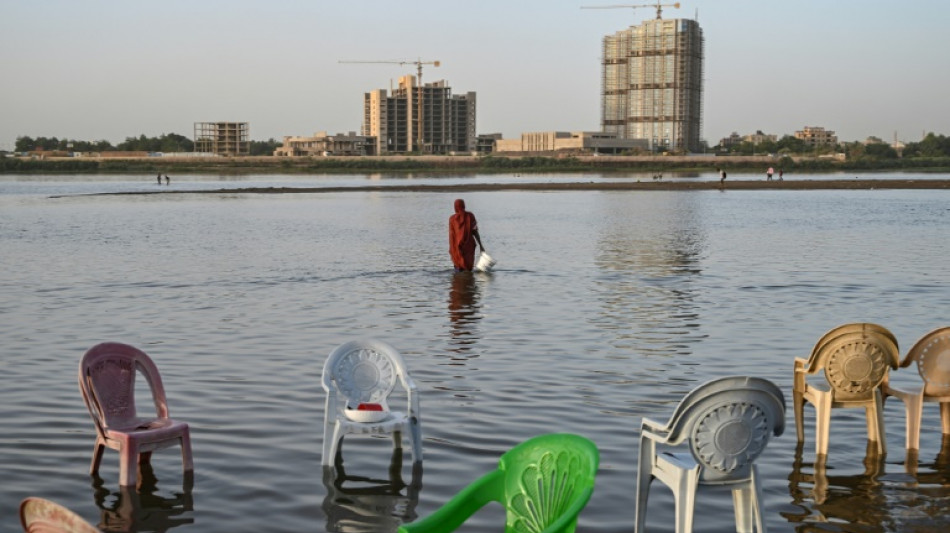
Sudan war drains life from once-thriving island in capital's heart / Photo: OZAN KOSE - AFP/File

 South Korea baseball league cancels two games over heatwave

 US drops Reflecting Pool case, admits damage due to botched renovation
 Russian attacks on Kyiv kill 9, wound more than two dozen
 Injured Australian swim star O'Callaghan pulls out of PanPacs

 California lifeguards wiped out from extreme weather

 FIFA scraps private investment plan after backlash: Infantino
 South Africa's WAFCON hopes hang in the balance after dramatic draw

 Hunter Bell cruises to Commonwealth gold, Pathirage stuns javelin stars

 Amazon surges as US stocks shrug off bond yield worries

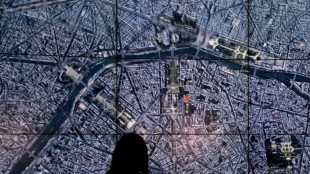
 Google rolls back new satellite image AI tool after backlash

 Ryu leads in bid for third straight major at women's British Open

 Fire-hit France region 'coming up for air' as main blaze calms
 Wembanyama to get signature shoe in Nike contract extension: reports
 Oil giants report blowout profits on war, warn high gas prices could persist
 Google launches new satellite image AI tool, alarming researchers

 Eddie Howe resigns as Newcastle boss to 'recharge'

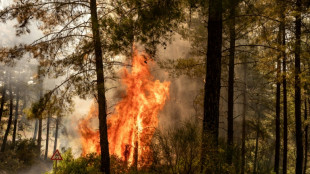 High winds hamper firefighting efforts in western Turkey

 Howe resigns as Newcastle boss
 Full-scale tour will benefit All Blacks, says coach Rennie

 US Fed dissenters call for rate hikes over sustained inflation
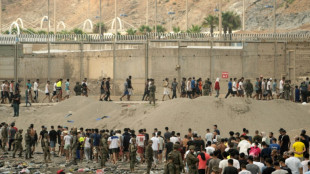
 Trump and far-right seize on Spanish migration crisis

 Hamas agrees to disarm under Trump plan
 French, Italian winegrowers face earliest ever harvest

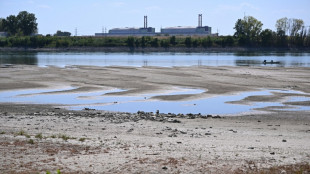
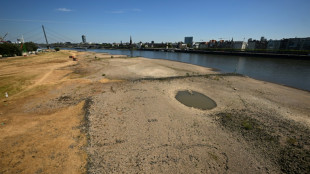 Alarm over climate-linked low level of German waterways
 UK court rejects challenge against new Chinese embassy in London

An island in the middle of Sudan's capital that used to draw crowds to its Nile River farms now stands nearly deserted after two years of war, its homes ransacked and once-lush fields left fallow.
Nestled at the confluence of the Blue and White Nile rivers, Tuti Island has been devastated by two years of war between the Sudanese army and the paramilitary Rapid Support Forces (RSF), with residents subjected to violence and looting.
When fighting broke out on April 15, 2023, RSF fighters swiftly captured the crescent-shaped island, forcing residents to flee in panic.
"They fled in feluccas (sailing boats), leaving everything behind," said Youssef al-Naim, 67, one of the handful of residents who never left.
The war has devastated the nation, killed tens of thousands and uprooted 13 million, according to the United Nations.
At the beginning of the war, the RSF had gained control of wide swathes of the capital, outflanking the army in the north and south, before the tides turned in the army's favour earlier this year.
The island, accessible only by a single suspension bridge, was cut off and besieged by the RSF since the war began.
Residents were deprived of food, electricity and safe drinking water, even before fighters descended on the island.
- Lifeless -
"We used to carry water from a well for washing and drink from the Nile," Naim said.
"Sometimes we couldn't reach the river and drank the well water, which made people sick."
Those able to pay for passage, fled in sailing boats and then the back of lorries, headed east.
"Every day, 10 or more people would leave," Naim recalled as he sat on a tattered fabric chair.
Tuti island was once known as "Khartoum's garden" for its verdant fields of beans, arugula and fruit trees that supplied much of the capital's produce.
Now, the eight-square-kilometre (three-square-mile) floating patch, overlooking Khartoum, Omdurman and Bahri (Khartoum North) which form the greater Sudanese capital, appears nearly lifeless.
"For nearly two years, I haven't seen a single tomato," Naim said.
An AFP team that visited the island after the army retook it in March saw signs of the sudden exodus.
Doors hung ajar, children's toys were scattered across the ground and shredded fabric fluttered through the ruins.
- Scars of war -
On March 22, Sudan's army regained control of the Tuti bridge as part of its broader offensive to retake Khartoum. Within a week, Burhan declared the capital "free".
But the scars of two years of war run deep, with RSF fighters accused of subjecting civilians to indiscriminate violence.
"They beat children, the elderly and even pregnant women," Abdel Hai Hamza, another resident, told AFP.
Witnesses also described systematic looting, with fighters raiding homes in search of gold jewellery, cash and weapons.
"They had to leave houses with something," added Hamza, 33.
The conflict has decimated Sudan's infrastructure, crumbled an already weak economy and pushed millions to the brink of mass starvation.
In Khartoum alone, at least 3.5 million have been displaced while 100,000 are suffering from famine-levels of hunger, according to the UN.
Both the army and the RSF have been accused of war crimes, but the paramilitary in particular has become notorious for allegedly committing systematic sexual violence, ethnic cleansing and massive looting.
Now, with the bridge to Tuti reopened and RSF fighters pushed out, some residents are making their way back, determined to rebuild their lives.
"Residents are trying to restore electricity," after cables were cut by the RSF, said Sherif al-Tayeb, a former resident of Tuti who now lives abroad and still has close friends among the island's residents.
Despite the devastation, small groups of civilians clean the streets with shovels and buckets, while dump trucks haul away the remnants of their shattered lives.
W.Morales--AT