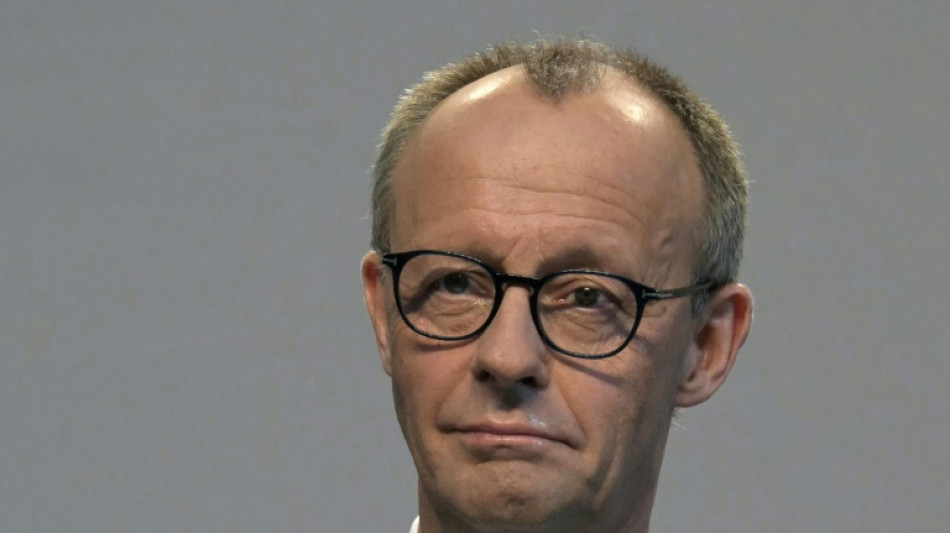
Germany 'back on track' says Merz, unveiling new coalition / Photo: Tobias SCHWARZ - AFP

 Injured Australian swim star O'Callaghan pulls out of PanPacs
 California lifeguards wiped out from extreme weather
 FIFA scraps private investment plan after backlash: Infantino
 South Africa's WAFCON hopes hang in the balance after dramatic draw
 Hunter Bell cruises to Commonwealth gold, Pathirage stuns javelin stars
 Amazon surges as US stocks shrug off bond yield worries
 Google rolls back new satellite image AI tool after backlash
 Ryu leads in bid for third straight major at women's British Open
 Fire-hit France region 'coming up for air' as main blaze calms
 Wembanyama to get signature shoe in Nike contract extension: reports
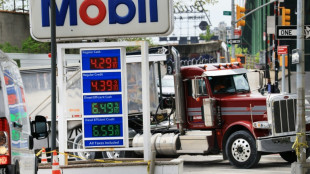 Oil giants report blowout profits on war, warn high gas prices could persist
 Google launches new satellite image AI tool, alarming researchers

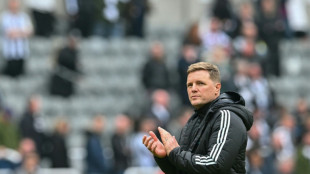 Eddie Howe resigns as Newcastle boss to 'recharge'
 High winds hamper firefighting efforts in western Turkey

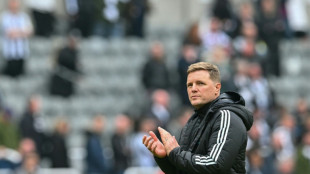 Howe resigns as Newcastle boss
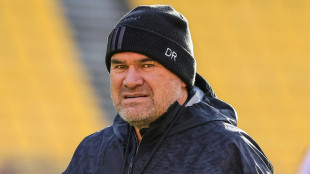 Full-scale tour will benefit All Blacks, says coach Rennie
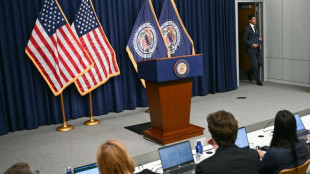 US Fed dissenters call for rate hikes over sustained inflation
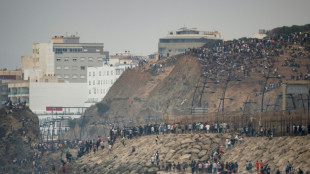 Trump and far-right seize on Spanish migration crisis

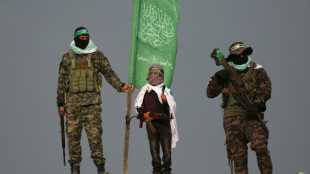 Hamas agrees to disarm under Trump plan
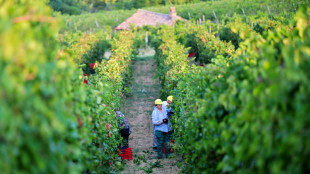 French, Italian winegrowers face earliest ever harvest
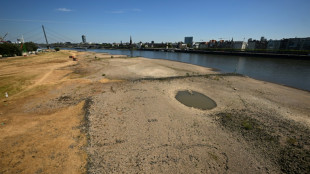 Alarm over climate-linked low level of German waterways

 UK court rejects challenge against new Chinese embassy in London
 New York sues online prediction markets giant Kalshi
 Commerzbank agrees to talks with UniCredit after two-year standoff
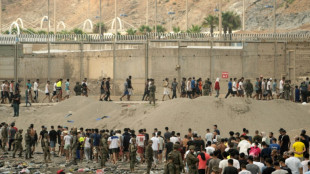
 A rumour, a rush: chaos at Morocco border with Spain's Ceuta
Germany's next leader, the conservative Friedrich Merz, vowed Wednesday to "move the country forward again" by boosting the economy and defence as he presented a deal to launch his coalition government by early next month.
Merz is set to take over as leader of Europe's top economy just as US President Donald Trump has sparked global trade turmoil and raised deep fears about future transatlantic security ties.
Asked at a news conference if he had a message for Trump, Merz said in English that the country would meet its defence obligations and rebuild its economic competitiveness.
"Germany is back on track," he added.
Following the February election victory of his CDU/CSU alliance, Merz has struck a deal to forge a new government with the centre-left Social Democrats (SPD) of the now caretaker Chancellor Olaf Scholz.
"The coalition agreement is a signal of a new beginning... for our country," said Merz, whose party won the elections with 28.5 percent of the vote. The far-right AfD took second place.
- 'Europe can rely on Germany' -
In their 144-page coalition contract, the two big centrist parties vowed to "significantly" boost defence spending amid growing concerns about US commitment to European security under Trump.
The parties also said Germany would continue to support Ukraine as the United States looks to encourage a deal to end the war started by Russia's full-scale invasion over three years ago.
"We will provide comprehensive support to Ukraine so that it can effectively defend itself against the Russian aggressor and assert itself in negotiations," the agreement said.
Presenting the deal, Merz pledged that Germany would "reform and invest to keep Germany stable, make it safer and make it economically stronger again", adding that "Europe can rely on Germany".
The swift conclusion of the talks -- a process that has in past years dragged on for months in Germany -- is the result of "extraordinary external pressure", said political scientist Wolfgang Schroeder of Kassel University.
"The pressure is coming from Trump, the pressure is coming from the AfD, the pressure is coming from (Merz's) own ranks," he told news channel NTV.
- Migration crackdown -
The run-up to February's election was marked by a bitter debate on migration and a surge in support for the far-right Alternative for Germany (AfD), which scored a record 20 percent of the vote.
Merz on Wednesday said his government would "largely end irregular migration", promising tight border controls and a "repatriation offensive" targeting those in the country illegally.
Germany held general elections on February 23 after the collapse of Scholz's three-way coalition on November 6, the very day Trump was re-elected to the White House.
After the vote, Merz also pledged steps to build up Germany's long underfunded armed forces and to revive its economy, which has shrunk for two years in a row.
He has secured major financial firepower for his ambitious plans after the outgoing parliament approved hundreds of billions of euros in extra spending and a softening of Germany's strict debt rules.
However, this has exposed him to internal party criticism and accusations from the AfD that he has broken campaign pledges and caved in to key demands of the SPD.
- 'Power vacuum' -
Support for the AfD has continued to rise since the election. One survey for the Ipsos pollster on Wednesday rated it as Germany's most popular party on 25 percent -- a point ahead of the CDU/CSU.
Renate Koecher, head of the Allensbach Institute, said the rise of the AfD had been fuelled by Germany's political paralysis at a time of acute global and domestic crises.
"Problems are growing but at the same time we have no government capable of acting," Koecher told the Rheinische Post newspaper.
"The economy is facing increasing difficulties, and decisions are being made in the US that Europe, with Germany in a leading role, should be able to respond to quickly.
"And in this situation, we have a power vacuum. This fuels the unease among the population."
While the SPD plans to ask its members to sign off on the final deal, the CDU plans only to seek the approval of senior party figures.
H.Thompson--AT