Clashes in Sudan's Darfur kill more than 100 / Photo: Abdelmonim MADIBU - AFP/File

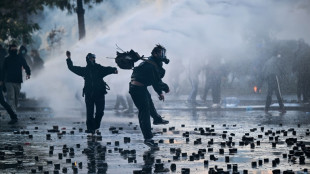
 Macron denounces 'unbridled' violence as France hit by new clashes

 Hurzeler lauds 'hard worker' Gomez after Brighton goal from halfway line
 Toulouse hold off Exeter, Northampton save English Champions Cup blushes

 Arsenal snatch late win to keep pressure on Man City as Man Utd held
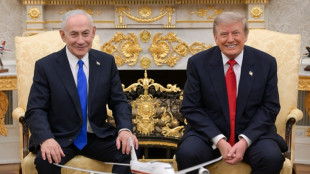
 Arsenal strike late to keep pressure on Man City as Man Utd held

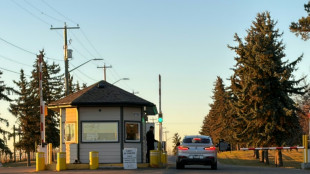
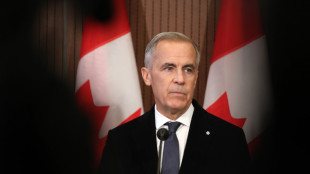 Four soldiers dead, dozens injured in fire at Canada military base

 Ton-up Agha helps Pakistan down Sri Lanka in tri-series opener

 Man Utd draw at Leeds keeps pressure on Carrick
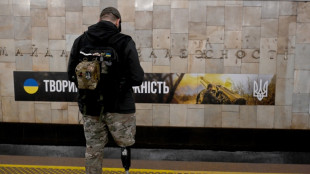
 Barca defenders Garcia, Kounde injured before key games
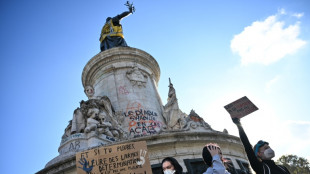
 Lula, Bolsonaro to face off in first debate of bruising election
 Maza and Schick help Leverkusen clip Freiburg's wings

 Leeds hit back to deny Man Utd morale-boosting win

 Zelensky tells NBC 'thankful' US has unblocked intelligence sharing
 Pau see off Leicester in Champions Cup

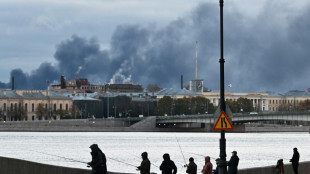 Kremlin says Ukrainian attacks won't change war aims as Kyiv hits Saint Petersburg

 Martinez starts for Man Utd after outburst
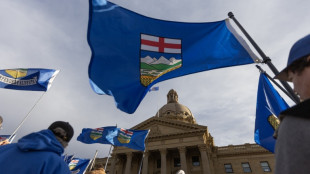 Alberta separatists rally ahead of independence vote

 Debt recovery lessons after derivatives losses and repeated borrowing

 RCom professional asks Supreme Court to revisit spectrum insolvency ruling

 India’s services surplus narrows as import growth overtakes exports

 PSG rally past Strasbourg to take Ligue 1 lead
 Gold closes week near $4,165 as US inflation outlook pressures market

 Two pilots die in Saudi coalition helicopter crash near Yemen border
 Riyadh skyscraper shifts tenants online as Houthi attacks intensify

 Qatar and Norway review bilateral ties at Oslo consultations

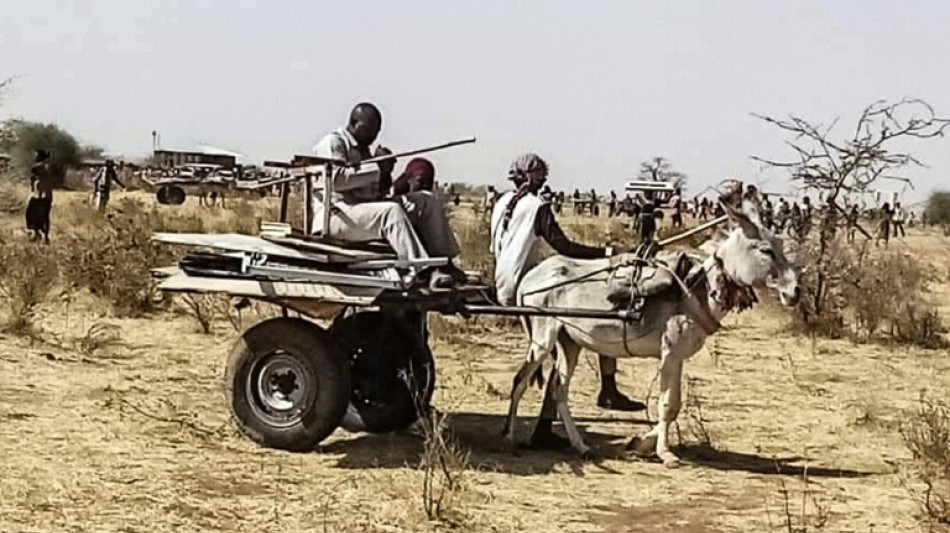
Clashes in Sudan's Darfur between Arab and non-Arab groups have killed more than 100 people, adding to a toll of hundreds in the region over recent months.
The latest fighting broke out last week between the Arab Rizeigat and non-Arab Gimir tribes in the district of Kolbus, about 160 kilometres (100 miles) from El Geneina, the capital of West Darfur state.
It started as a land dispute between two people, one from the Rizeigat and another from the Gimir, before morphing into broader violence involving other members from both tribes.
"The fighting has so far killed 117 people and left 17 villages burnt," including three on Monday, Ibrahim Hashem, a leader in the ethnic African Gimir tribe, told AFP by phone.
Hashem said the deaths counted so far were largely among the Gimir tribe. He added that "many people" from his tribe have gone missing since the violence broke out and which was continuing.
It was not immediately clear how many were killed among the Arab tribe.
The latest violence highlighted a broader security breakdown in Darfur which was exacerbated by last year's military coup led by army chief Abdel Fattah al-Burhan.
The October coup derailed a fragile transition put in place following the 2019 ouster of president Omar al-Bashir.
- 'Cycle of violence' -
In April alone, more than 200 people were killed in clashes between an Arab community and the non-Arab Massalit minority in the Krink area of West Darfur.
The United Nations estimated 125,000 people were displaced in that unrest.
A month earlier, fighting in South Darfur between the ethnic Fallata and the Arab Rizeigat tribes killed at least 45 people.
On Monday, UN special representative Volker Perthes said he was "appalled" by the violence in Kolbus.
"The cycle of violence in Darfur is unacceptable & highlights root causes that must be addressed," he said on Twitter.
Perthes called on the fighting sides to "de-escalate".
Sudan's western Darfur region was ravaged by a bitter civil war that erupted in 2003.
The conflict pitted ethnic minority rebels who complained of discrimination against the Arab-dominated government of then-president Bashir.
Khartoum responded by unleashing the Janjaweed, mainly recruited from Arab pastoralist tribes, who were blamed for atrocities including murder, rape, looting and burning villages.
The scorched-earth campaign left 300,000 people dead and displaced 2.5 million, according to the United Nations.
Many Janjaweed have since been integrated into the feared paramilitary Rapid Support Forces, commanded by General Mohamed Hamdan Daglo, de facto deputy leader of Sudan, according to rights groups.
In 2020, Sudan signed a peace deal with key rebel groups including from Darfur.
The main conflict has subsided over the years, but the region remains awash with weapons and deadly clashes often erupt over access to pasture or water.
W.Morales--AT